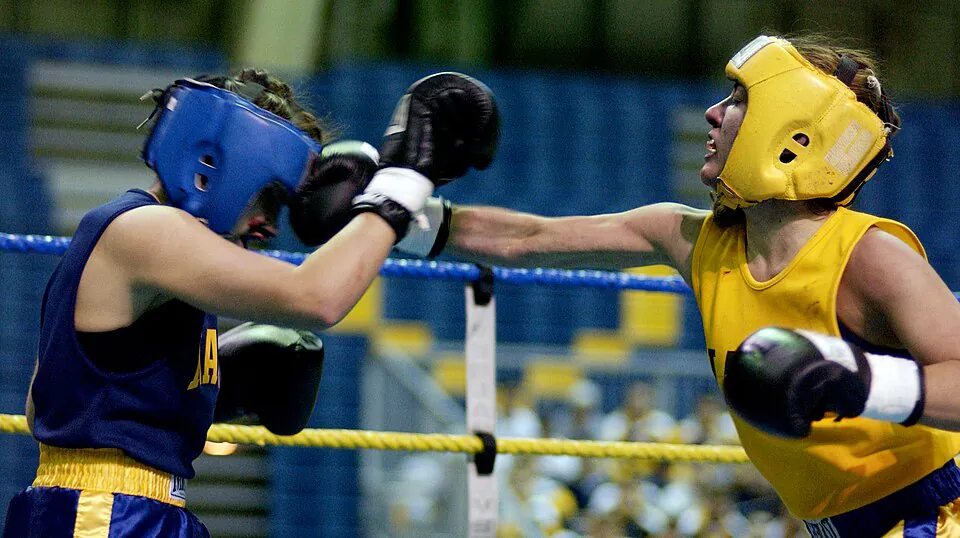
Boxing, match in the ring
SportCalories per hour
896 kcal per hour
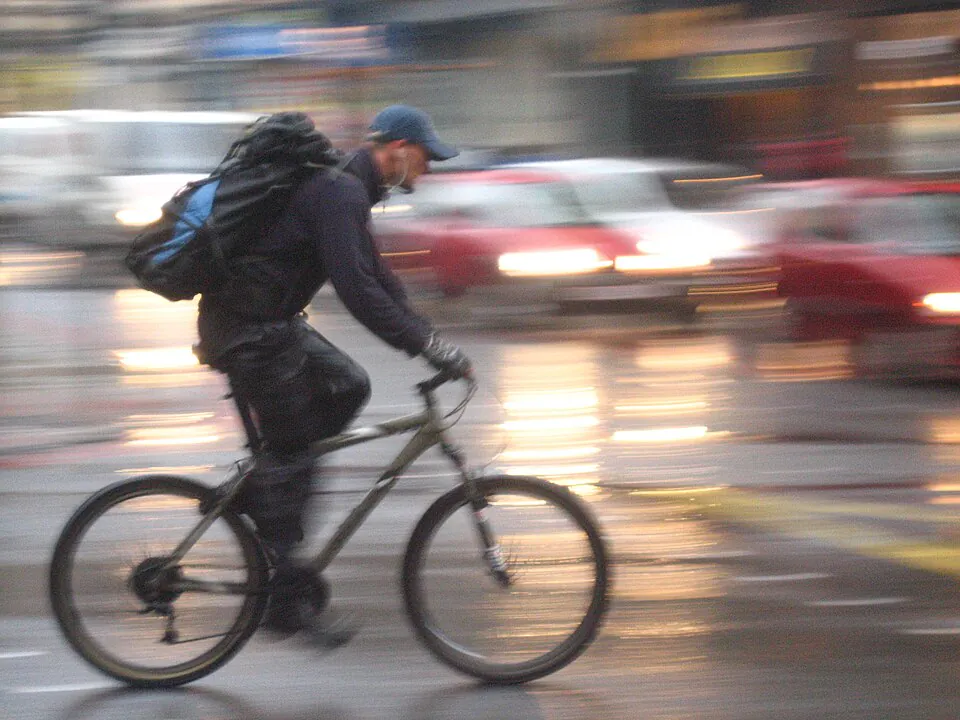
Cycling, 16 to 19 km/h
Cycling, 10 to 12 mphWhich has a higher calorie burn?
Tennis, singles
SportWhich has a higher calorie burn?
VS
Rules & what counts
Calories Burned Higher or Lower: Rules & What Counts
Two activities appear side by side. One question: which one burns more calories in one hour? Tap your answer, and the streak continues until you are wrong.
The quiz holds 100 activities, from sleeping at 67 kcal per hour to running up stairs at 1,050. The gym, the sports field, the pool, the dance floor and the housework are all in the deck.
The trap is that people rank activities by how hard they feel. Energy does not work that way. A slow waltz burns the same as bowling. Shovelling snow burns more than a Hatha yoga class, and a jump rope burns more than a competitive football match.
How to play
- Two cards are dealt. Tap the activity you think burns more calories in one hour.
- A correct tap reveals both numbers and deals a new pair. Your streak goes up by one.
- A wrong tap ends the run. There are no lives.
- You do not need to know the numbers. You only need to know which of the two is higher.
- The two cards in a pair are always at least 8% apart, so a run is never decided by a coin flip.
- A full lap of the deck completes the chain and ends the run in triumph.
What counts in this quiz
- 100 activities: gym machines and weights, running and walking at named speeds, cycling by speed, swimming strokes, team and racket sports, winter sports, dance, yoga and everyday tasks at home.
- Every figure is energy in kilocalories per hour for one adult who weighs 70 kg.
- The figures come from the Compendium of Physical Activities. The compendium gives each activity a MET value, the energy cost as a multiple of rest. The quiz multiplies the MET value by 70 and rounds to a whole number.
- One body weight for the whole deck is what makes the comparison about the activity. A heavier person burns more at every card, and a lighter person burns less, in the same proportion. The order of the cards does not change.
- The pace is part of the card. Running at 8 km/h and running at 16 km/h are two cards, and the card's second line gives the speed in mph.
- The photos are Wikimedia Commons images under free licences. The card shows the credit for each photo as you play.
What's not included, and why
- Your own body weight is not part of the quiz. Multiply a card's number by your weight and divide by 70 to get your own figure.
- Fitness level is not part of it either. A trained runner and a beginner at the same speed burn about the same energy; the trained runner finds it easier.
- Short bursts are not here. Every number is a full hour at the named pace, so a sprint that nobody can hold for an hour is not a card.
- Values for the same activity differ between studies, which is exactly why pairs are dealt at least 8% apart.
Good to know
- Running up stairs, at 1,050 kcal per hour, is the top of the deck. Running at 16 km/h is 1,015, swimming butterfly 966 and a marathon pace 931.
- Sleeping, at 67, is the lowest card. Sitting and watching TV is 91, so an hour of TV burns about one third more than an hour of sleep.
- Jump rope at a fast pace is 861, more than squash at 840 and more than a competitive football match at 700.
- Walking at 4 km/h is 210 and walking at 6.4 km/h is 350. The speed matters more than the distance: the brisk walker covers 60% more ground and burns 67% more.
- Chopping wood with an axe, at 441, burns more than a tennis doubles match at 420.
- A slow waltz and bowling are both 210. Ballroom dancing in competition is 791, nearly four times the waltz.