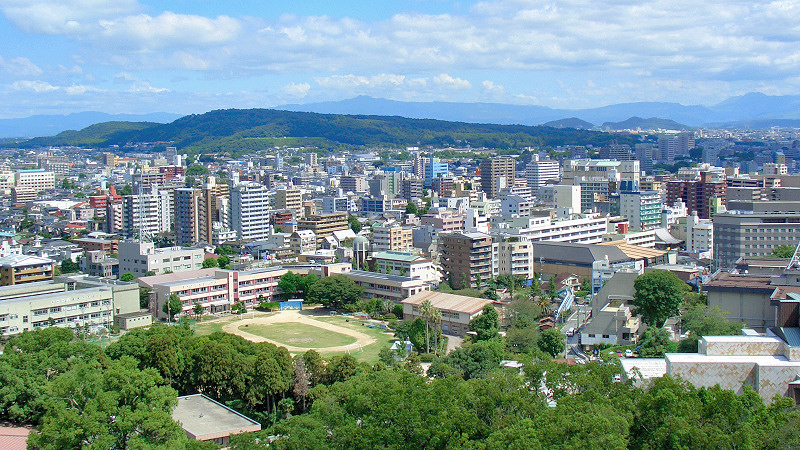
Kumamoto
JapanPopulation
920,000
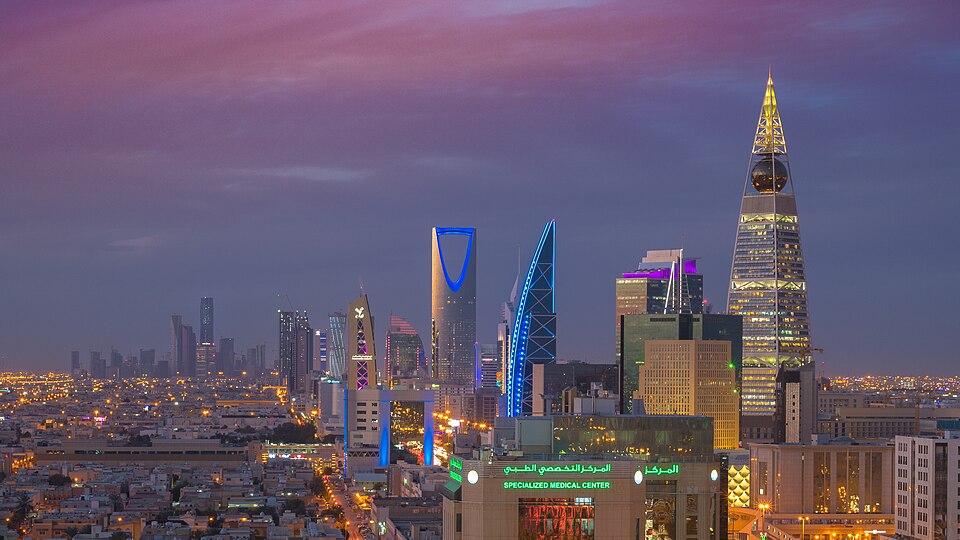
Riyadh
Saudi Arabiahas a
population than Kumamoto
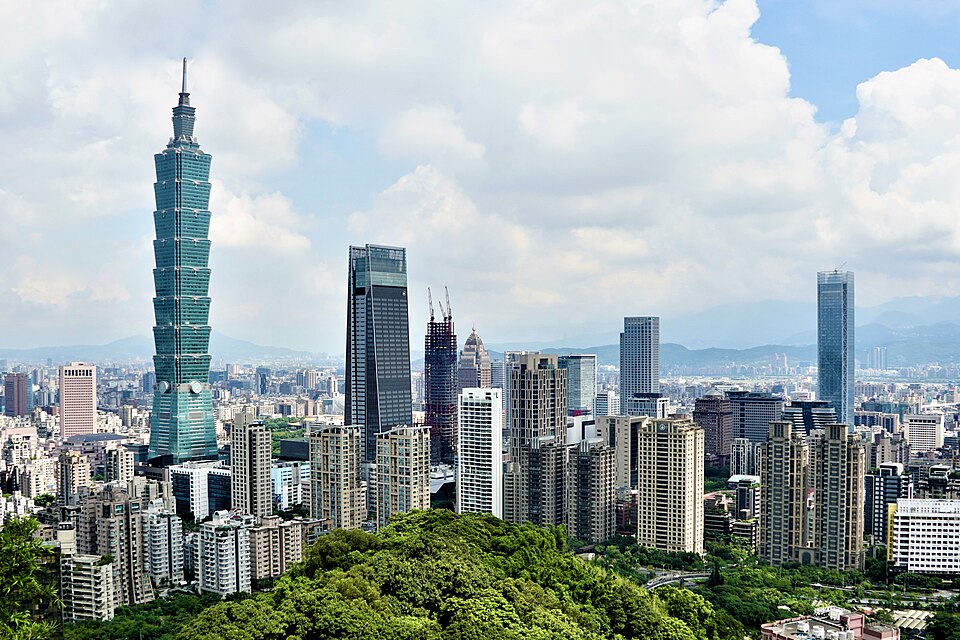
Taipei
Taiwanhas a
population than Riyadh
VS
Rules & what counts
City Population — Higher or Lower?
Two world cities face off, and only one question matters: does the city on the right have a higher or a lower population than the one on the left? Guess right and it slides over to become the new benchmark; guess wrong and the run is over. There's no fixed round length — the streak just keeps going for as long as you keep being right.
The pool covers 400 of the world's best-known cities, from Tokyo's 37 million all the way down to Reykjavík's 140 thousand, so a run swings between megacities and cosy capitals. It's equal parts geography knowledge and nerve — everyone knows Tokyo beats Oslo, but is Madrid bigger than Santiago?
How to play
- The left card shows a city with its population revealed; the right card shows the challenger.
- Tap Higher if you think the challenger's population is bigger, Lower if you think it's smaller.
- A correct guess reveals the number, slides the challenger to the left, and deals a new city — your streak climbs by one.
- One wrong guess ends the run. Your score is the streak you reached.
- Your best streak is shown in the top bar — beat it and the new record sticks (and counts on the leaderboard).
- Get through all 400 cities without a miss and you've fully cleared the quiz at a streak of 399 — but the run doesn't stop there. The deck reshuffles and keeps dealing, so a cleared quiz just means the leaderboard counts it as perfect while your streak carries on.
What counts in this quiz
- Populations are urban-agglomeration estimates from the UN's World Urbanization Prospects (2023/2024 revisions), rounded — the whole metro area, not just the city proper.
- 400 cities across every inhabited continent, weighted toward places most players will recognise.
- If two cities are a statistical coin-flip, the deck avoids dealing them next to each other — and in a genuine tie, either answer counts as correct.
What's not included — and why
- City-proper counts are not used — "city limits" definitions vary too wildly between countries to compare fairly (Chongqing's municipality alone would outrank most metro areas).
- Micro-nations and towns under ~100k don't appear; the smallest entry is Reykjavík.
Good to know
- Tokyo has been the world's largest urban area since the 1950s, but Delhi is projected to overtake it before 2030.
- More than half of the cities in this quiz didn't exist in their current scale 100 years ago — Lagos alone has grown roughly 50-fold since 1950.
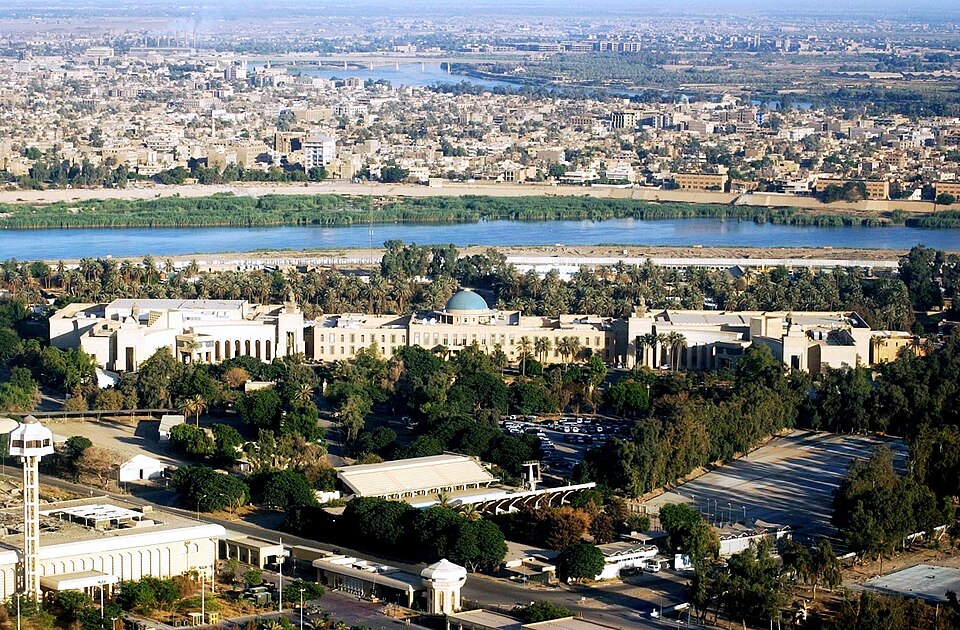
- The photos are Wikimedia Commons lead images of each city, credited on the card as you play.