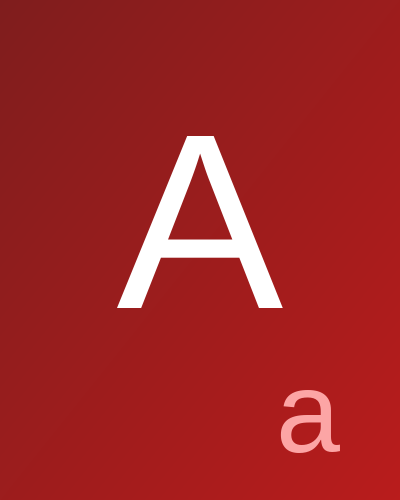
 1st
? ? ?
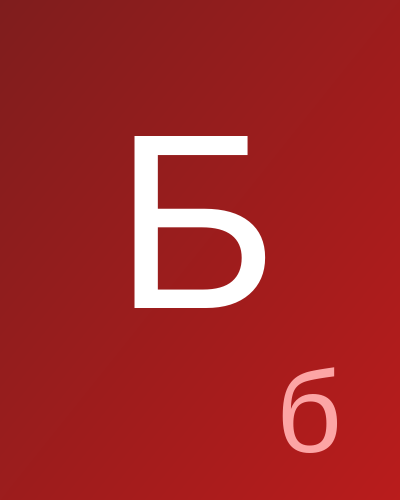 2nd
? ? ?
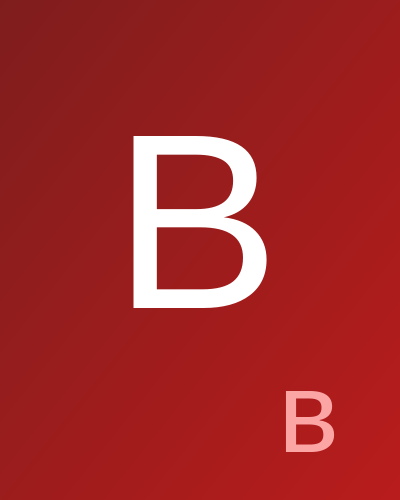 3rd
? ? ?
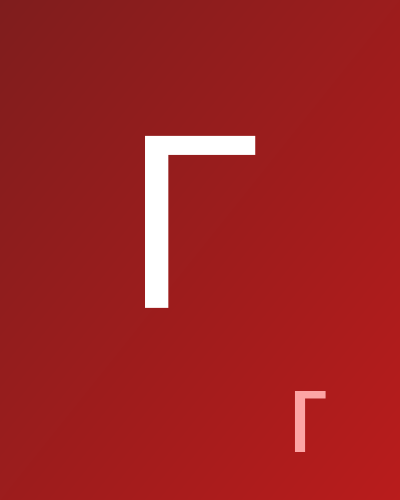 4th
? ? ?
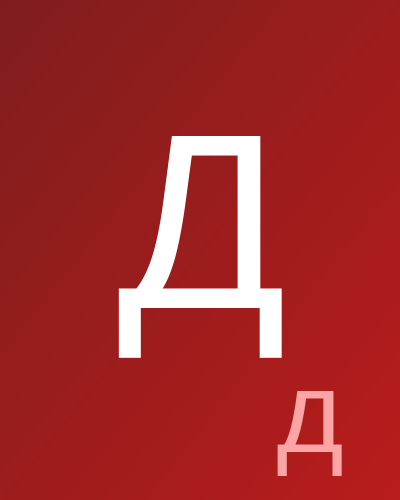 5th
? ? ?
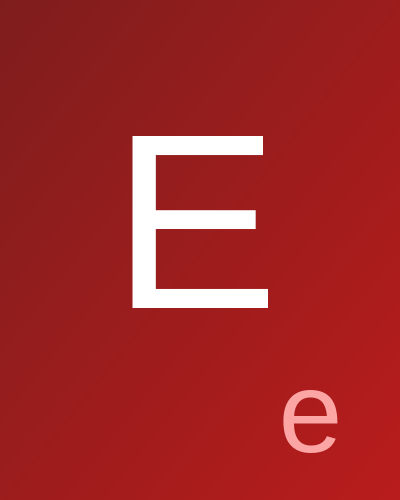 6th
? ? ?
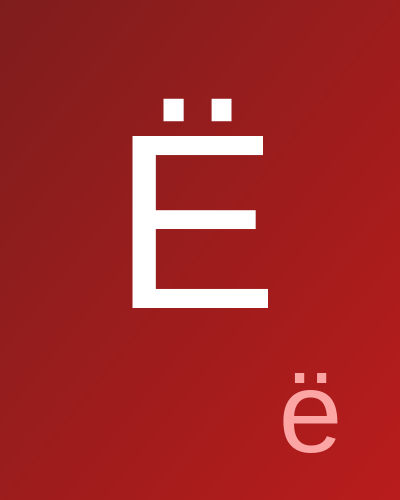 7th
? ? ?
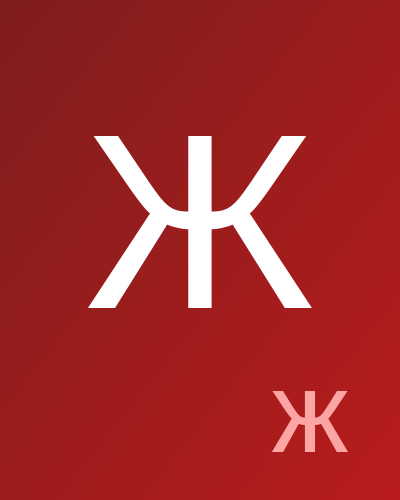 8th
? ? ?
 9th
? ? ?
 10th
? ? ?
 11th
? ? ?
 12th
? ? ?
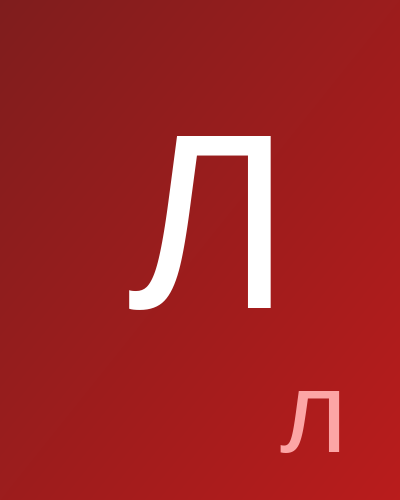 13th
? ? ?
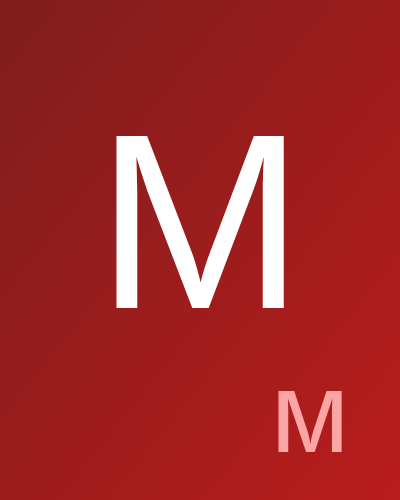 14th
? ? ?
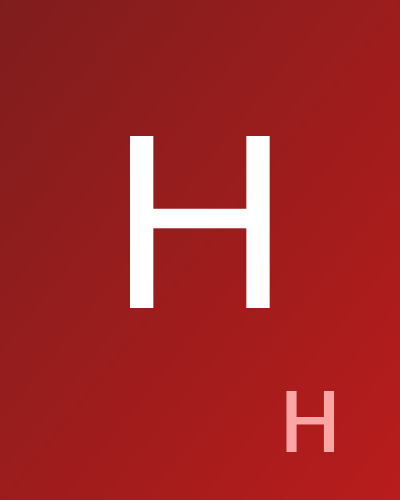 15th
? ? ?
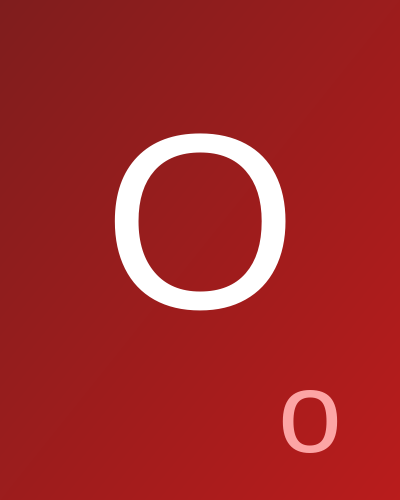 16th
? ? ?
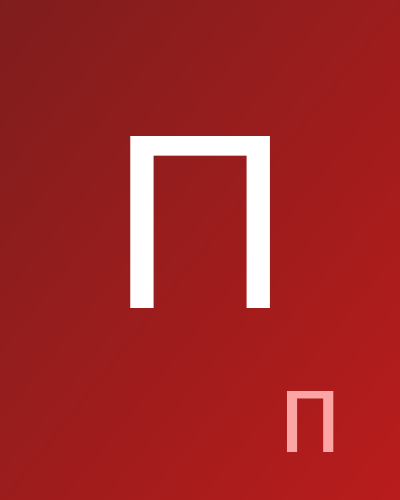 17th
? ? ?
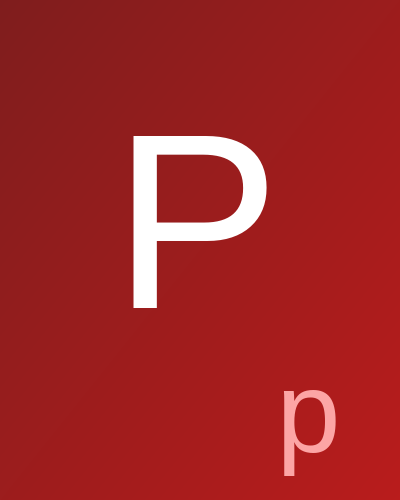 18th
? ? ?
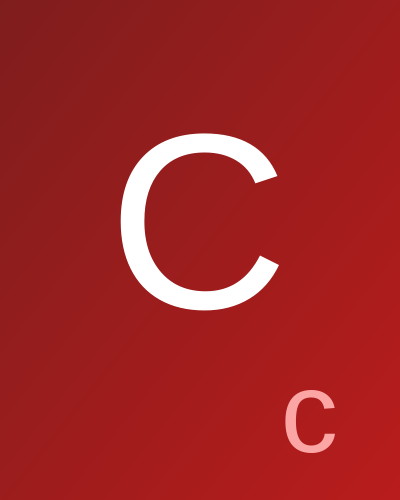 19th
? ? ?
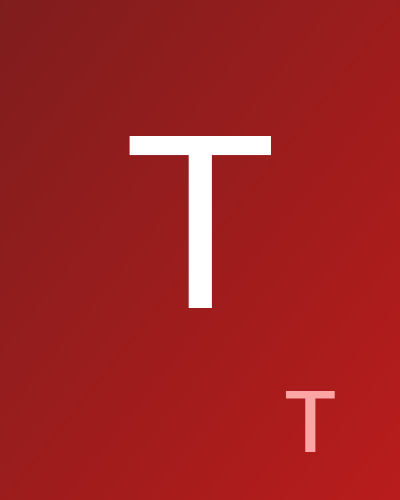 20th
? ? ?
 21st
? ? ?
 22nd
? ? ?
 23rd
? ? ?
 24th
? ? ?
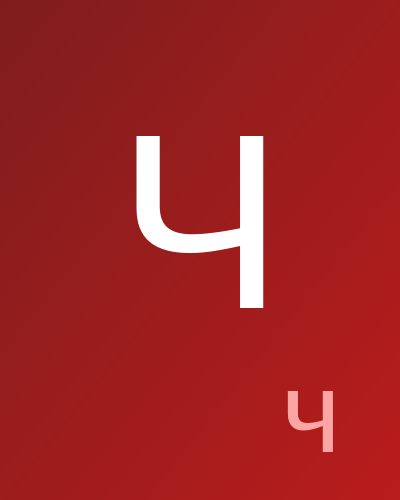 25th
? ? ?
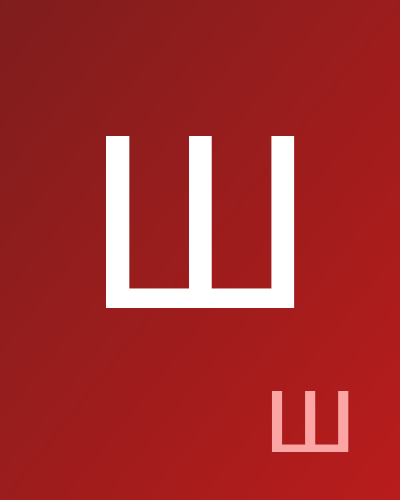 26th
? ? ?
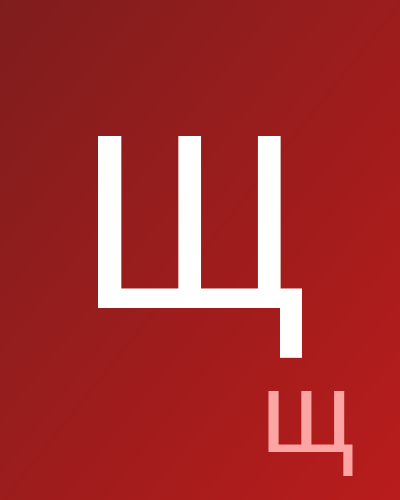 27th
? ? ?
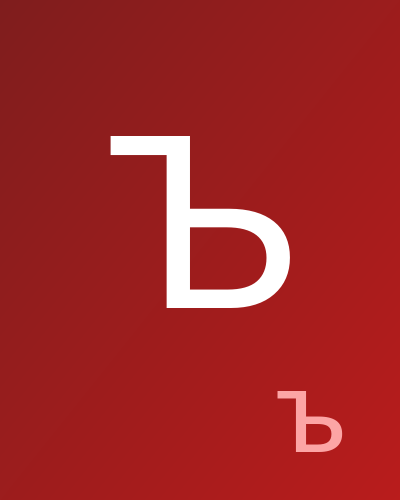 28th
? ? ?
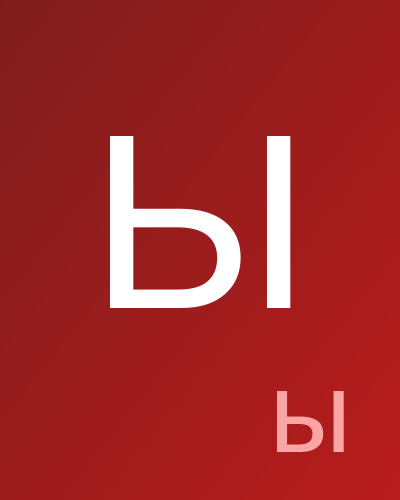 29th
? ? ?
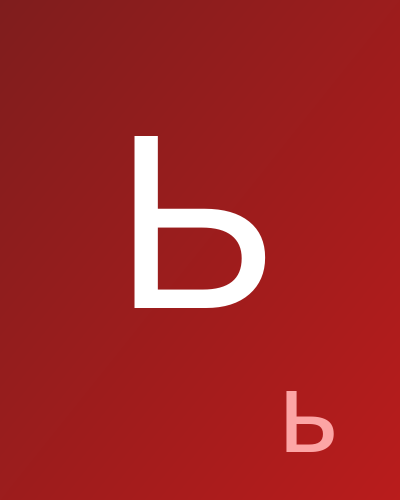 30th
? ? ?
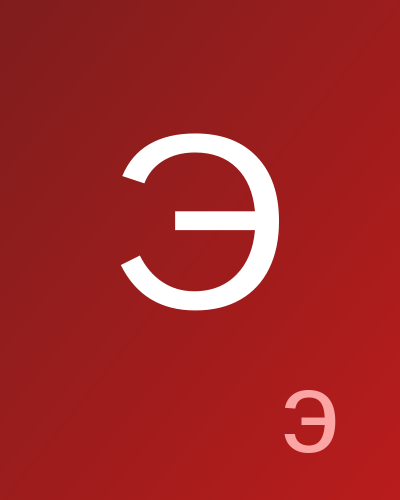 31st
? ? ?
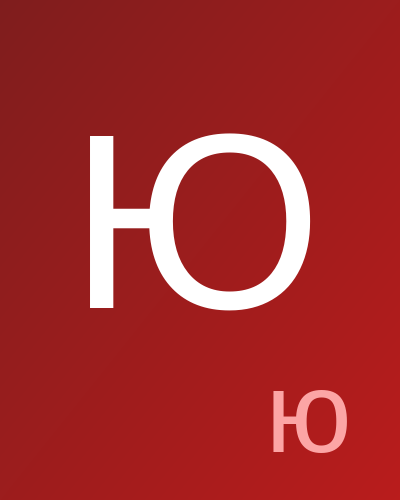 32nd
? ? ?
 33rd
? ? ?
Rules & what counts
Cyrillic Alphabet Quiz: Rules & What Counts
Each card shows one Cyrillic letter, uppercase and lowercase. You type the letter's name.
The modern Russian alphabet has 33 letters. Eleven of them look like a Latin letter and sound the same, nine look like a Latin letter and sound different, and the rest look like nothing you have seen before.
The lookalikes are the hard part. R is written Я but sounds like YA. H is written Н but sounds like N. C sounds like S, and B sounds like V. The corner badge shows each letter's position in the alphabet, which is the honest way to tell them apart.
How to play
- Every card is visible from the start. Type any letter's name to solve its card.
- Start typing anywhere; the answer bar catches it automatically.
- Common alternative spellings count. "Kha" solves khah, "ya" solves yah and "zhe" solves zheh.
- The two signs take their English names and their Russian ones. "Hard sign" and "tvyordy znak" both solve Ъ.
- The timer starts at your first keystroke and counts up. Give Up ends the run and shows every letter you missed. Progress saves automatically.
What counts in this quiz
- All 33 letters of the modern Russian alphabet, in order from А to Я.
- Each card shows the uppercase and the lowercase form of the letter.
- The corner badge shows the letter's position, from 1st to 33rd.
- The letter names are the Russian ones in English spelling, such as "zheh", "shchah" and "yery".
What's not included, and why
- Letters that other Cyrillic alphabets use are not here. Ukrainian Ї, Serbian Њ and Bulgarian Ѝ are outside the Russian 33.
- Letters dropped in the 1918 spelling reform are not here either, such as the yat and the izhitsa.
- A Latin letter that looks the same does not count. The answer is always the Cyrillic letter's name.
Good to know
- Cyrillic is named after Saint Cyril, a missionary of the 9th century, although the script was most likely built by his students.
- About 250 million people write in Cyrillic, in more than 50 languages.
- Ё is the only Russian letter with dots, and Russians often write it as Е and expect you to know.
- Ъ and Ь spell no sound of their own. They change how the letter before them is said.
- Peter the Great redrew the whole alphabet in 1708 to make Russian books look like Dutch ones.