 Empire
? ? ?
 Empire
? ? ?
 Empire
? ? ?
 Empire
? ? ?
 Empire
? ? ?
 Empire
? ? ?
 Empire
? ? ?
 Empire
? ? ?
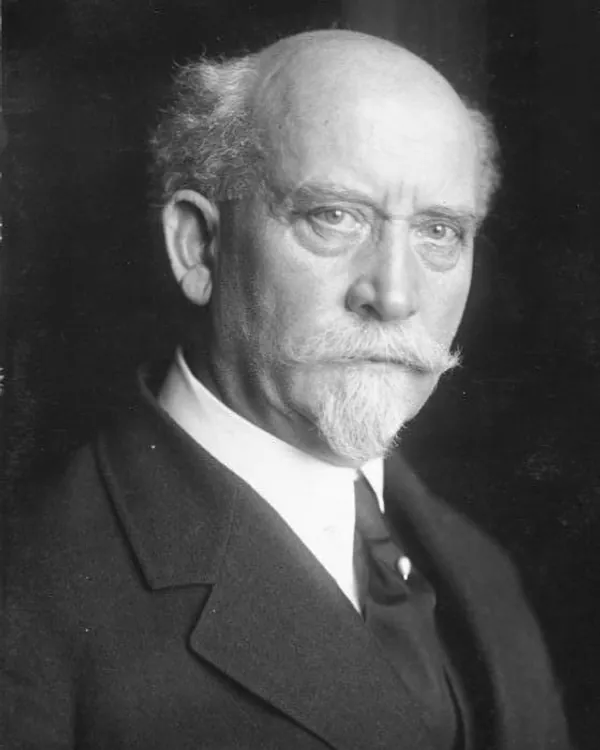 Weimar
? ? ?
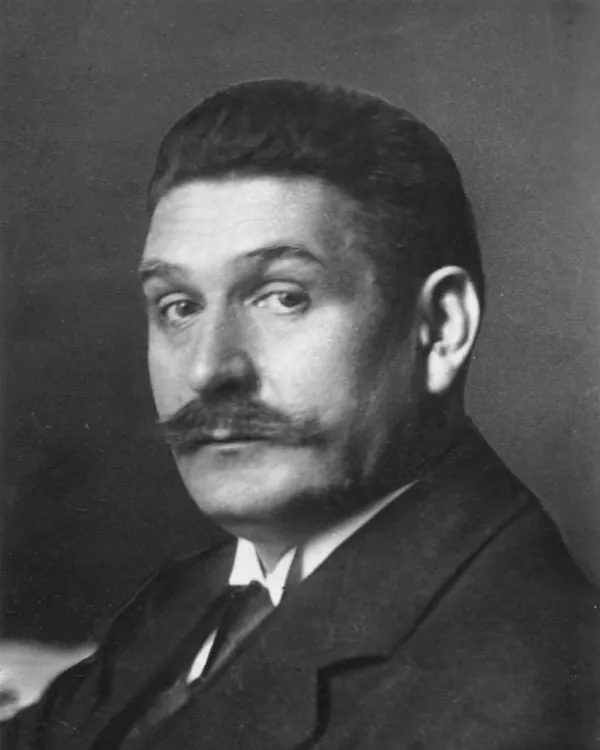 Weimar
? ? ?
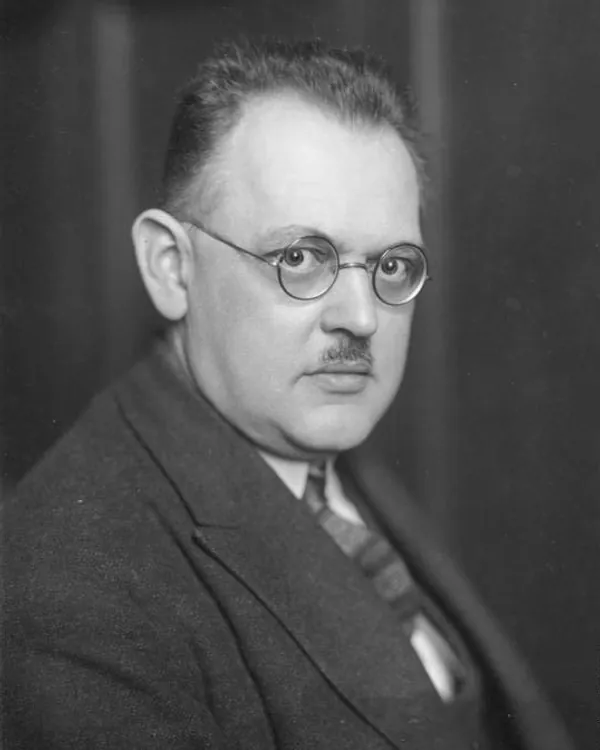 Weimar
? ? ?
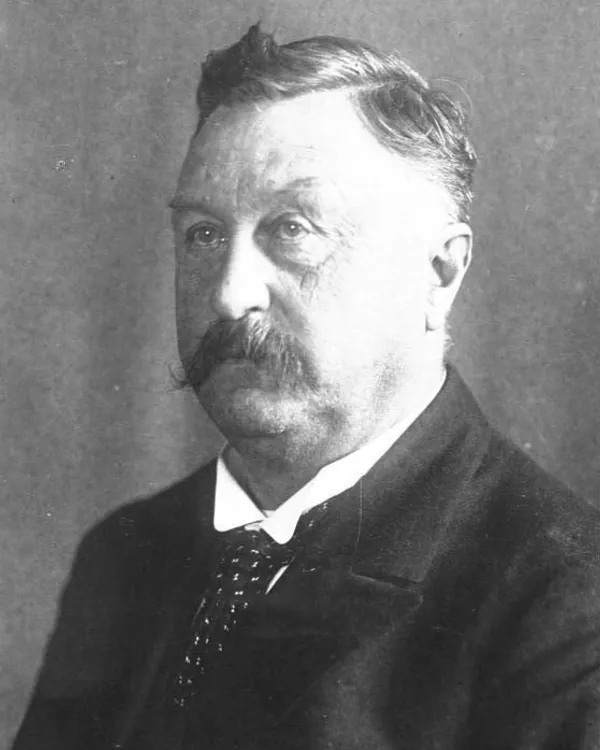 Weimar
? ? ?
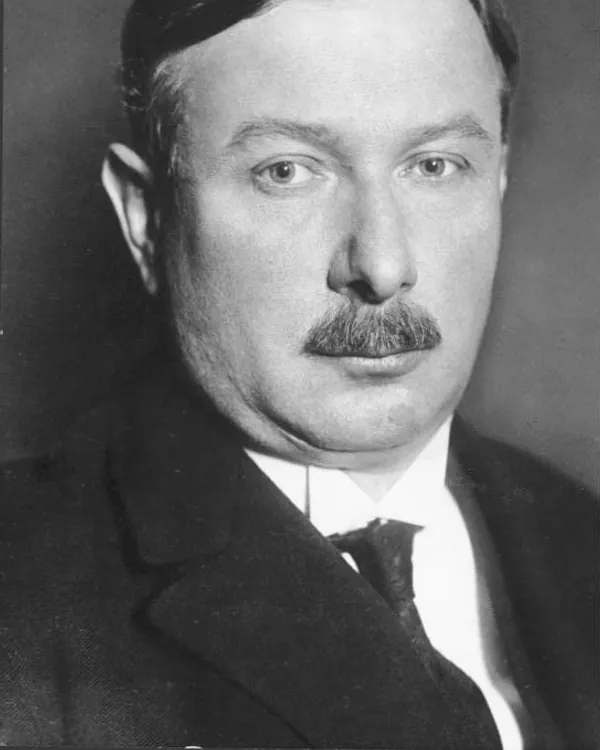 Weimar
? ? ?
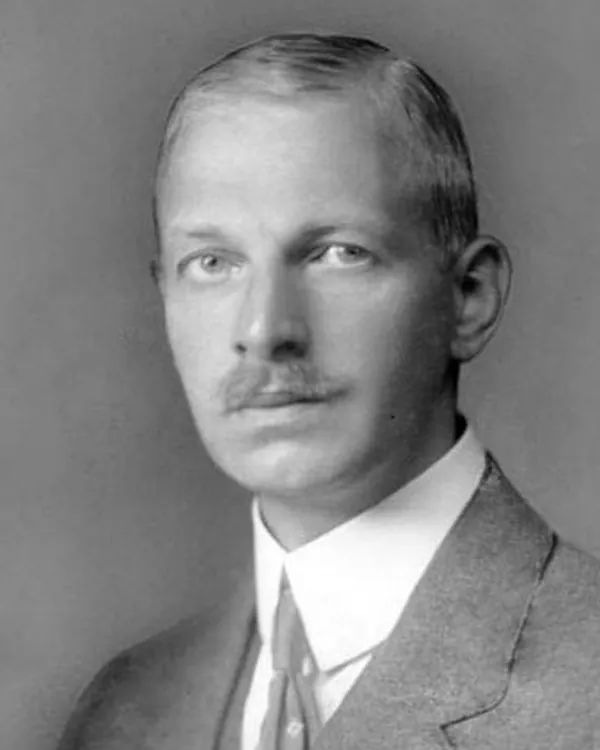 Weimar
? ? ?
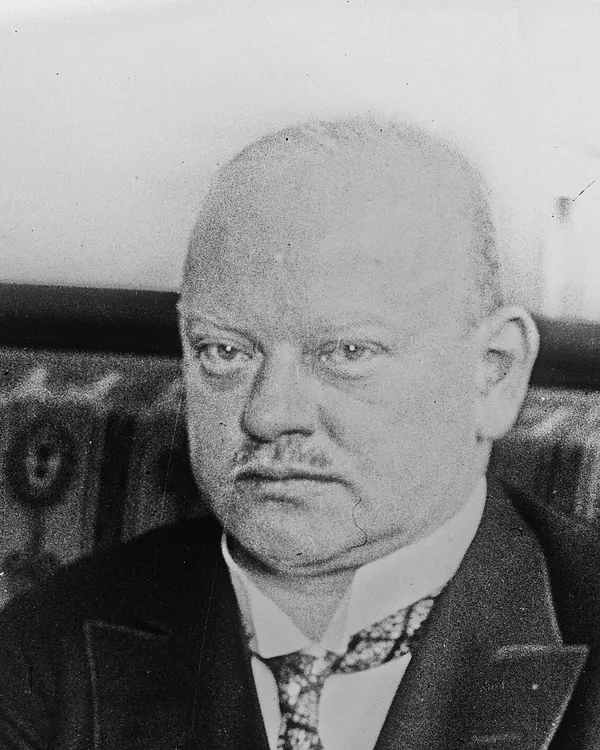 Weimar
? ? ?
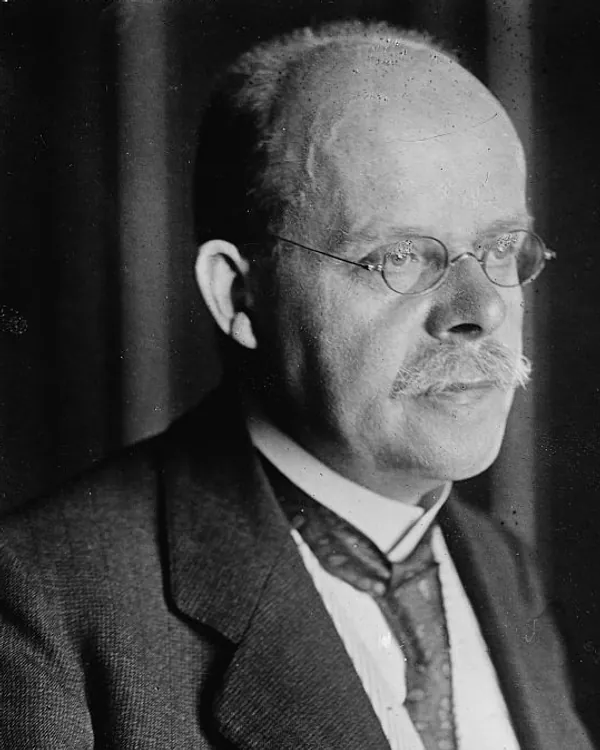 Weimar
? ? ?
 Weimar
? ? ?
 Weimar
? ? ?
 Weimar
? ? ?
 Weimar
? ? ?
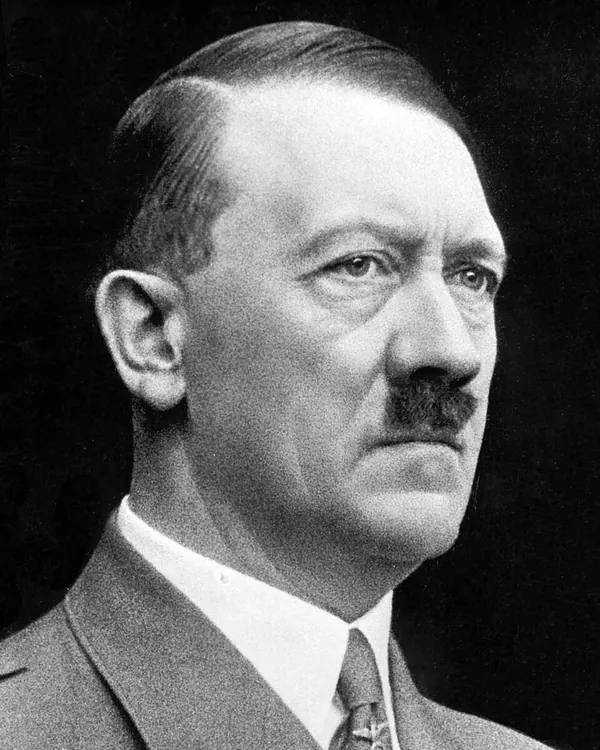 Third Reich
? ? ?
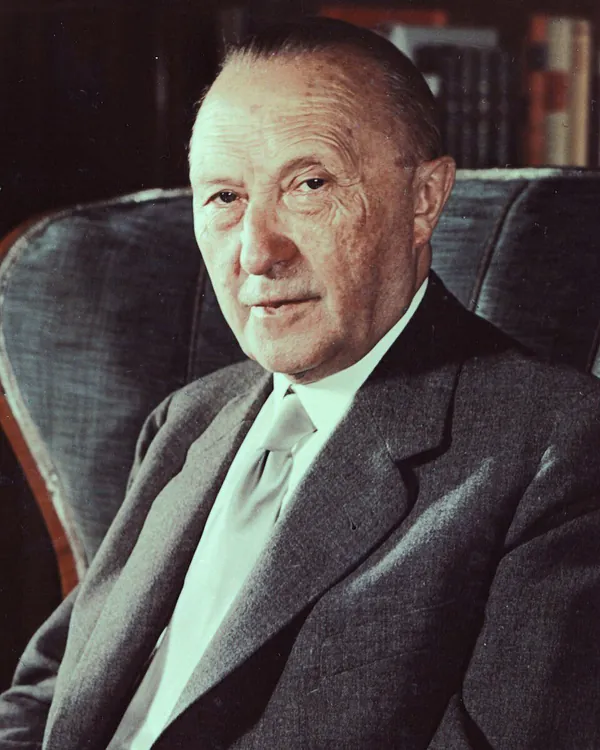 FRG
? ? ?
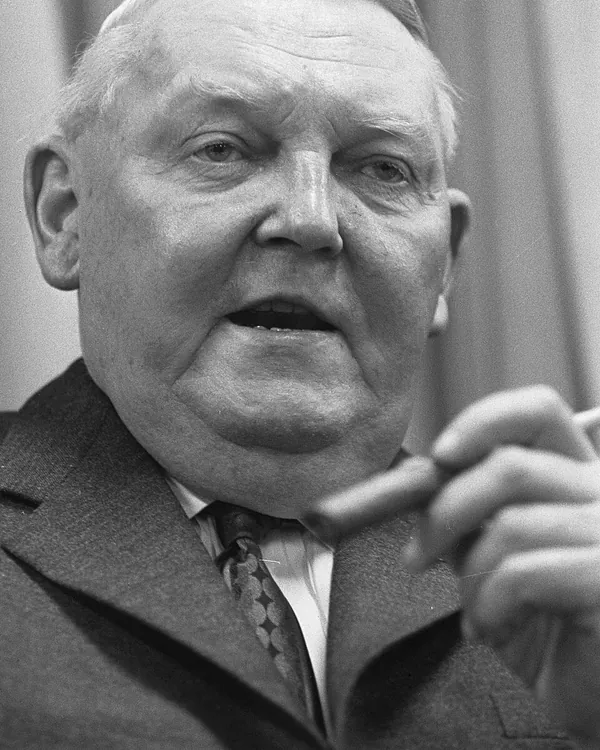 FRG
? ? ?
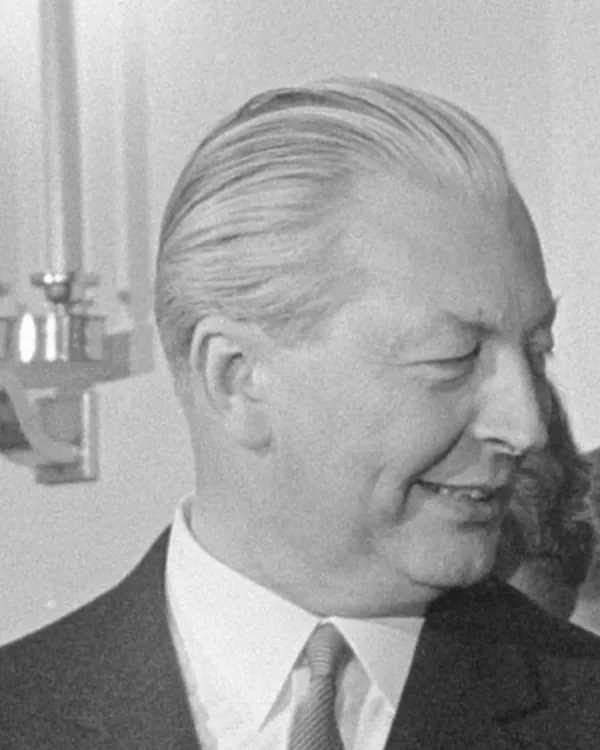 FRG
? ? ?
 FRG
? ? ?
 FRG
? ? ?
 FRG
? ? ?
 FRG
? ? ?
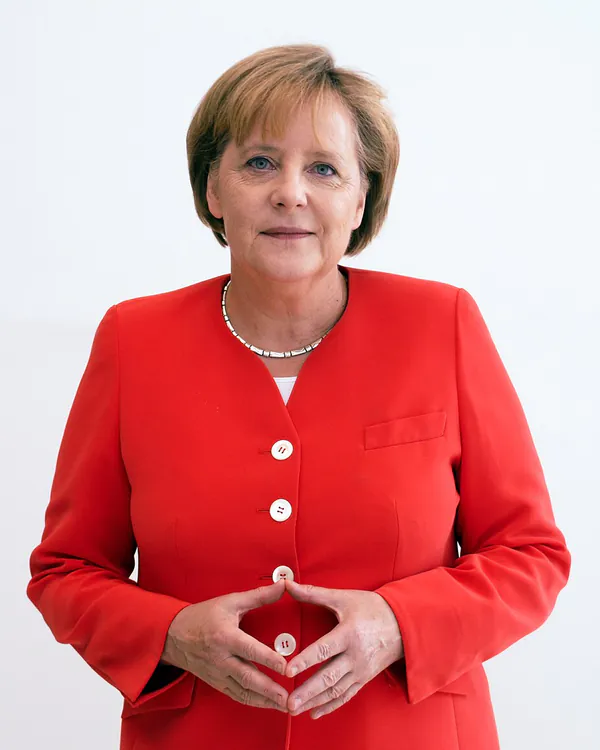 FRG
? ? ?
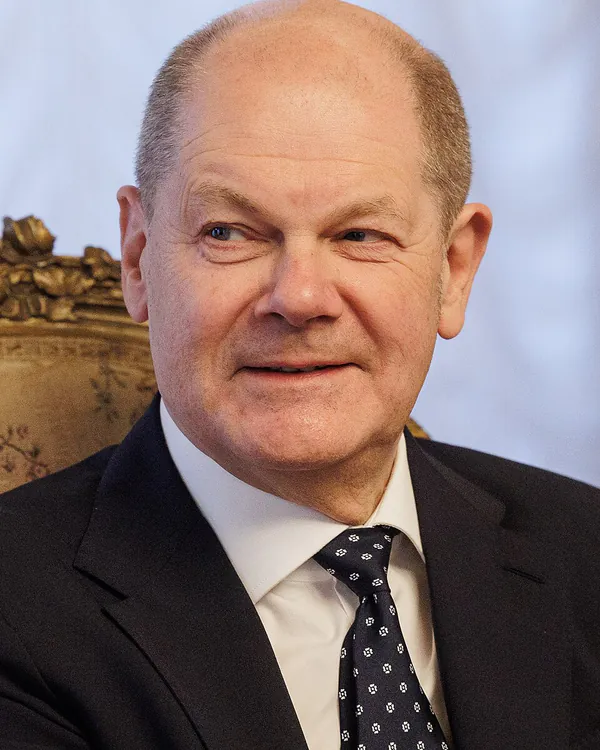 FRG
? ? ?
 FRG
? ? ?
Photo credits
- Portraits come from Wikimedia Commons. The sources are:
- German Federal Archive (Caprivi, Michaelis, Bauer, Müller, Fehrenbach, Wirth, Cuno, Luther, Brüning, Papen, Schleicher, Hitler) · CC BY-SA 3.0 de
- Peter Bouserath (Adenauer), Engelbert Reineke (Brandt), Armin Linnartz (Merkel) · CC BY-SA 3.0 de
- Hans Schafgans (Schmidt) · CC BY-SA 2.0
- Christian Lambiotte (Kohl) and the Kazakh presidential press service (Schröder) · CC BY 4.0
- Anefo (Kiesinger) and Steffen Prößdorf (Merz) · CC BY-SA 4.0
- The other portraits are in the public domain or CC0.
Rules & what counts
German Chancellors Quiz: Rules & What Counts
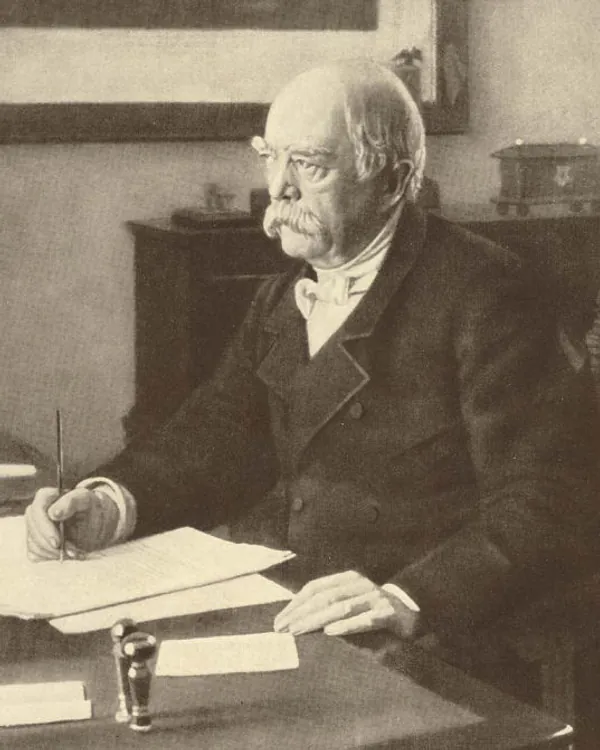
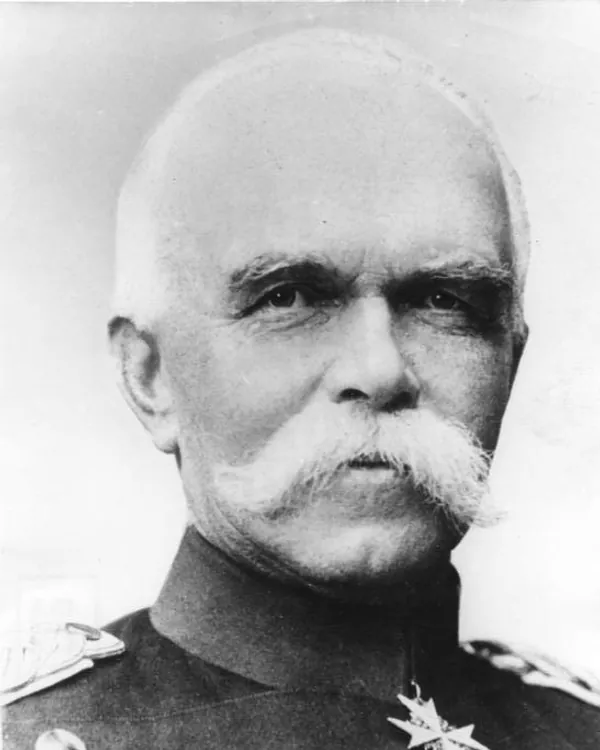
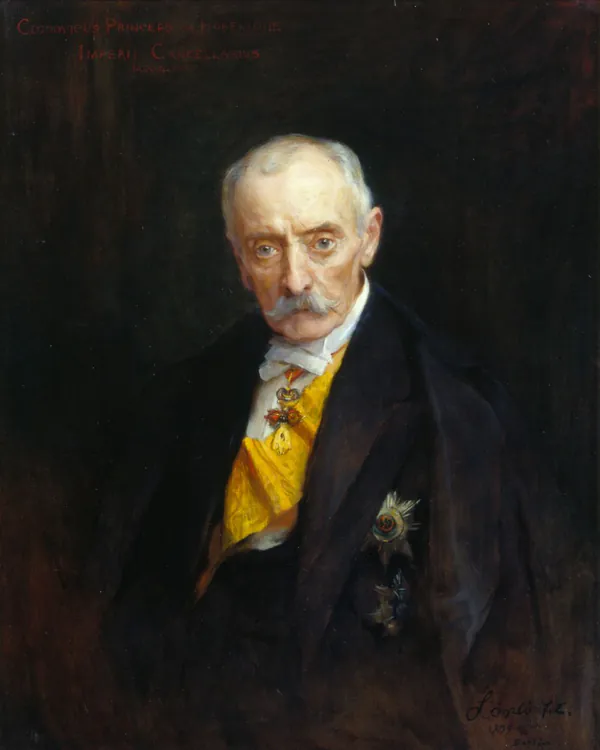
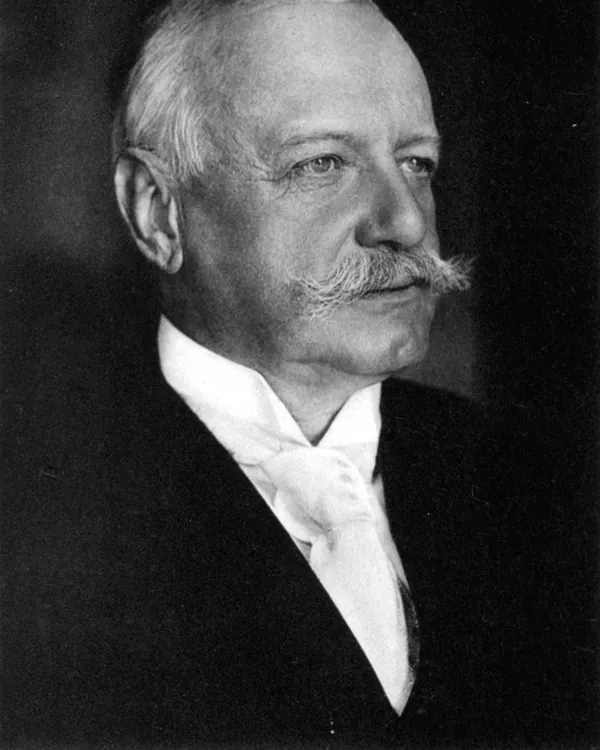
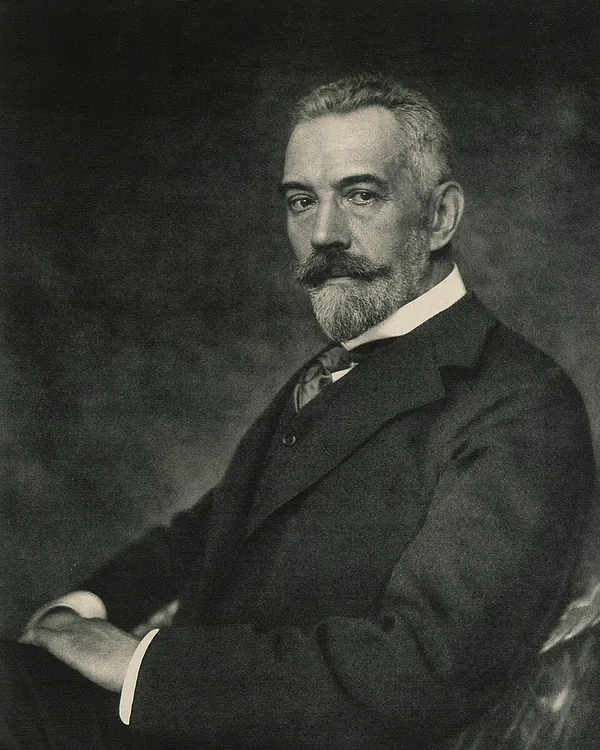
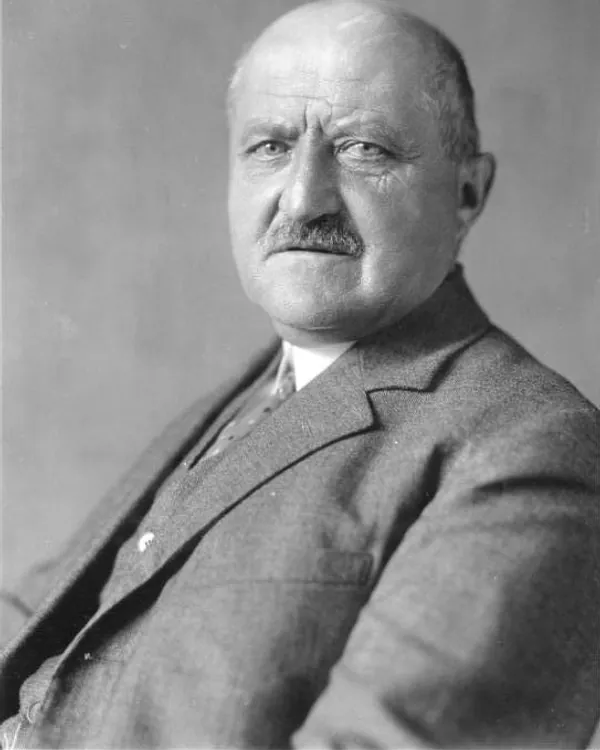
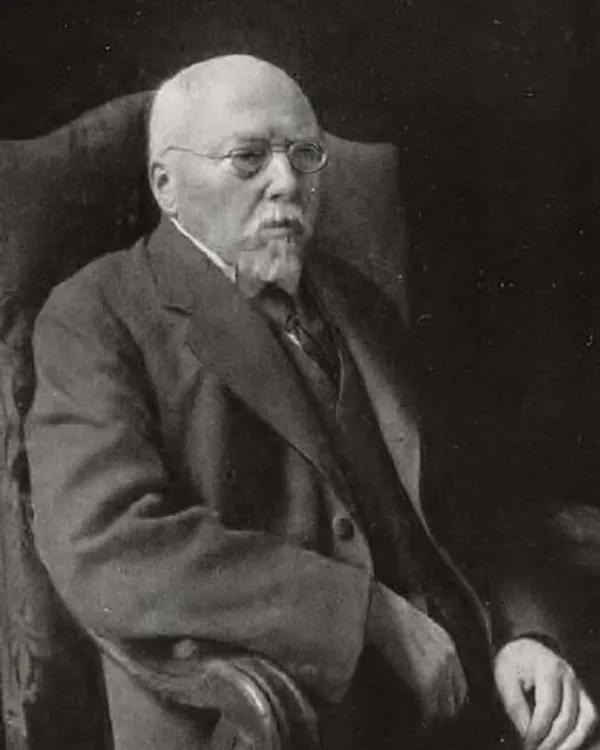
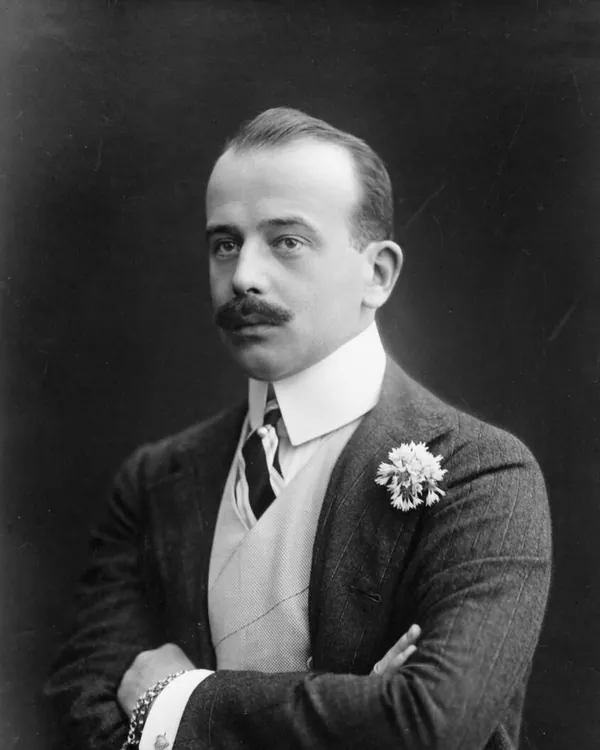
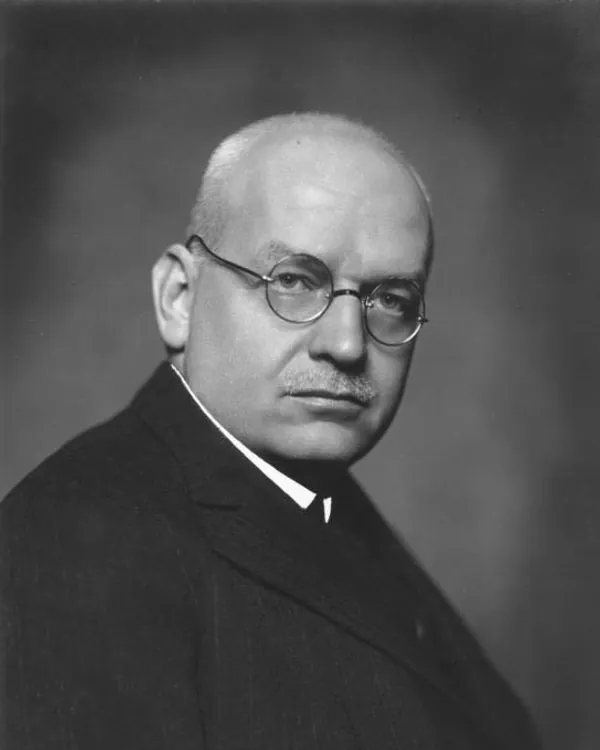
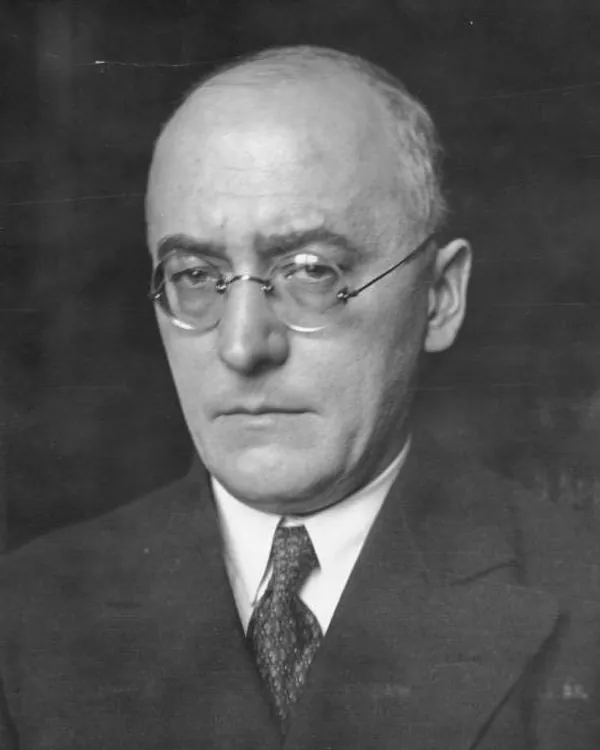
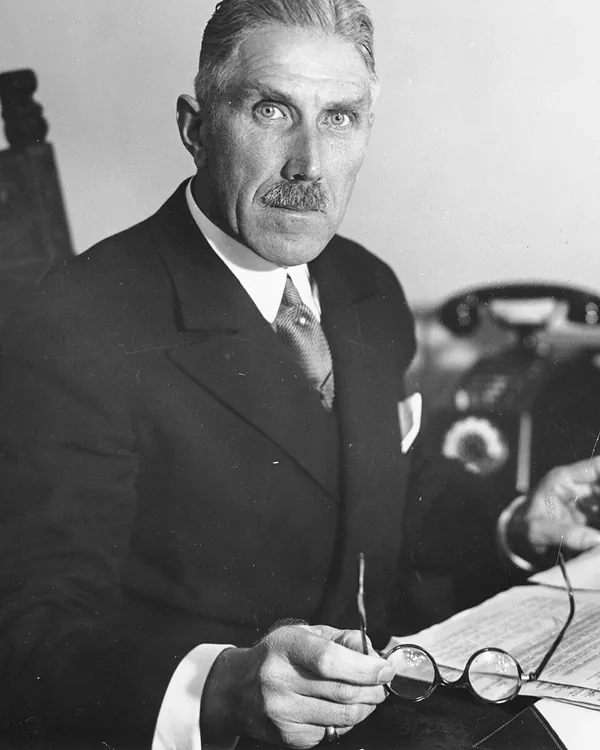
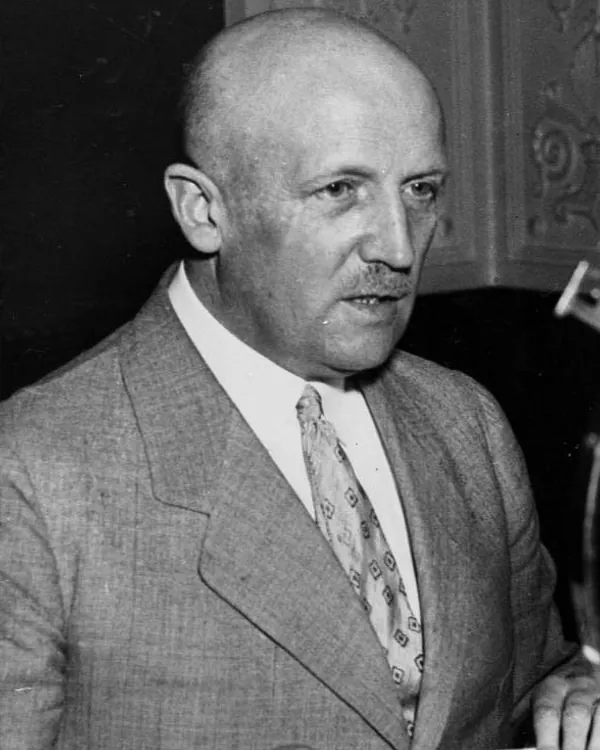
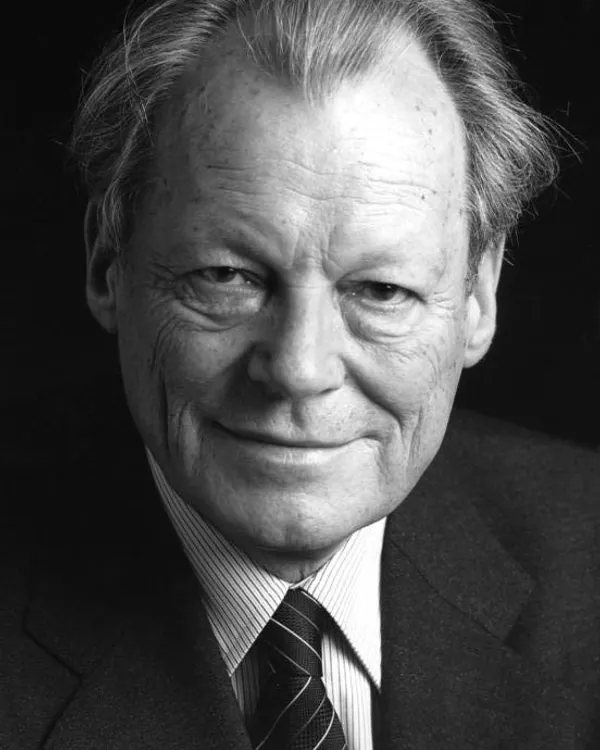
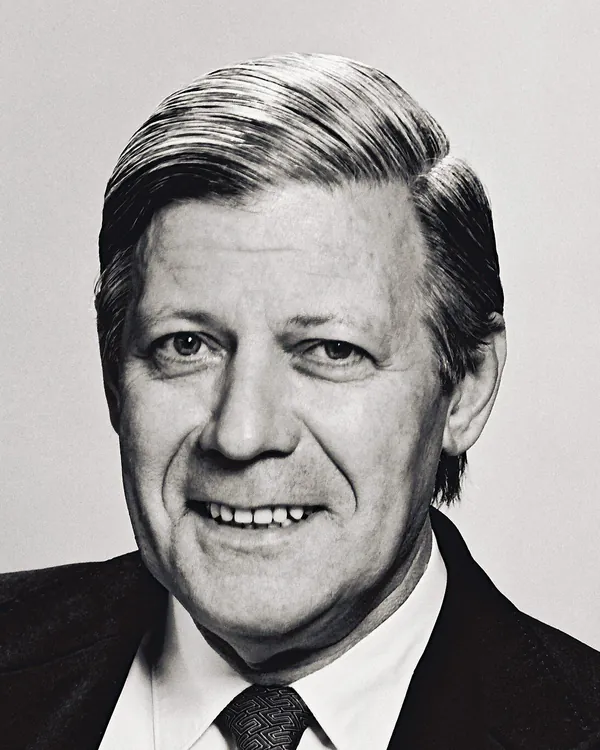
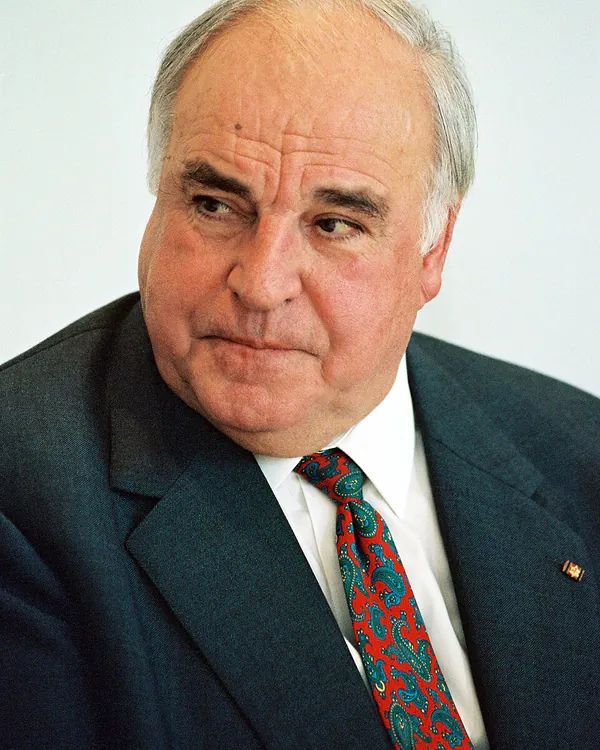
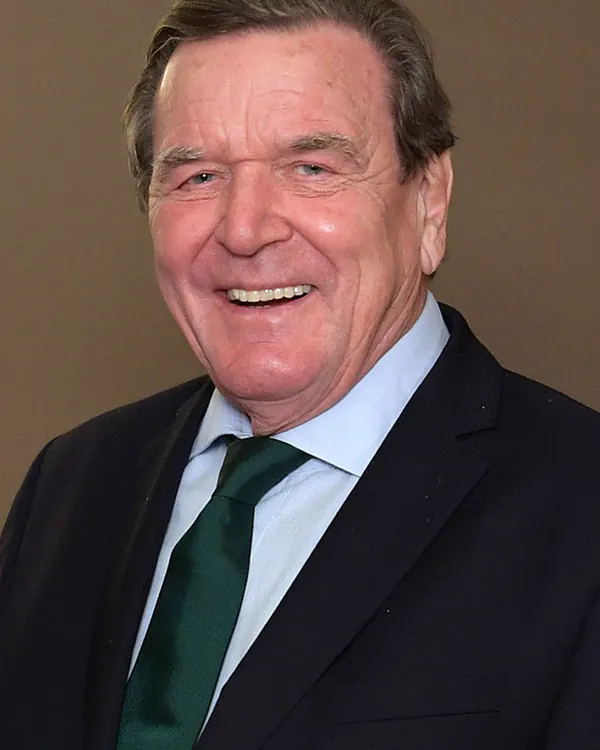
Germany has had a chancellor since the Empire was founded in 1871. This quiz shows a portrait of each one: 31 in all, from Otto von Bismarck to Friedrich Merz.
The grid has 31 cards, in order. Each card wears its era up front: Empire, Weimar, Third Reich or FRG.
Most players land Bismarck and the chancellors since Kohl. The run-killer is the Weimar Republic: 12 chancellors in 14 years.
How to play
- Just start typing. The quiz checks your answer at every keystroke. There is no submit button.
- The surname alone works for every card: "bismarck", "merkel" and even "marx" each solve one chancellor. The Marx here is Wilhelm Marx, not Karl.
- Umlauts are optional, and the "ue" forms count: "Bruning", "Bruening", "Muller" and "Mueller" all solve their cards.
- "Kissinger" does not solve Kiesinger. Henry Kissinger is a different person, so that guess clears the input instead.
- The timer starts at your first keystroke and counts up. Give Up ends the run and shows every portrait you missed. Progress saves automatically.
What counts in this quiz
- All 31 heads of government on the standard list of German chancellors: 8 of the Empire, 12 of the Weimar Republic, Hitler, and 10 of the Federal Republic.
- A chancellor with split terms has one card. Hermann Müller and Wilhelm Marx each served twice, and the card names both terms.
- Friedrich Merz's card says 2025 to present. The quiz updates when the office changes hands.
What's not included, and why
- Joseph Goebbels has no card. He held the office for one day in May 1945. Schwerin von Krosigk, who followed, led a caretaker cabinet and was never chancellor.
- Presidents have no card. Hindenburg and Ebert led the state, not the government.
- East Germany's leaders have no card. The GDR had no chancellor, so Ulbricht and Honecker are not on the board.
- Austrian chancellors have no card. This board is Germany only.
Good to know
- Bismarck held the office for 19 years, the longest of all. Merkel and Kohl both reached 16.
- Gustav Stresemann was chancellor for 102 days in 1923, then foreign minister for six years. He won the Nobel Peace Prize in 1926.
- Angela Merkel was the first woman in the office and the first chancellor raised in East Germany.
- Willy Brandt won the Nobel Peace Prize in 1971 for his Ostpolitik.
- Max von Baden served five weeks in 1918 and spent them ending an empire: his government asked for the armistice, and he announced the Kaiser's abdication.