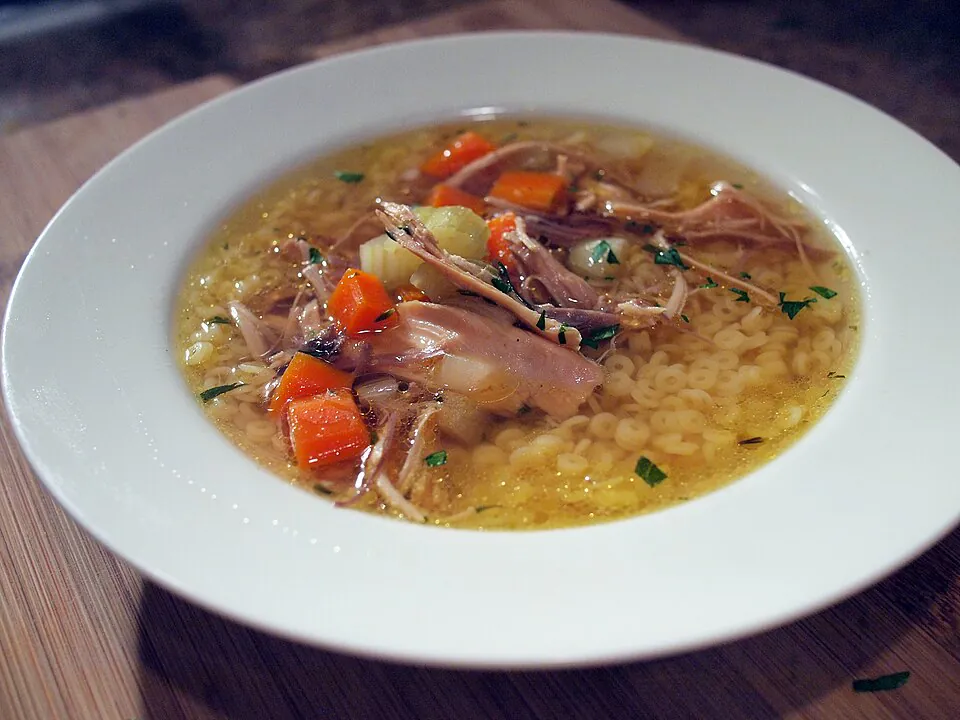
Chicken Soup
SoupCalories
36 kcal per 100 g
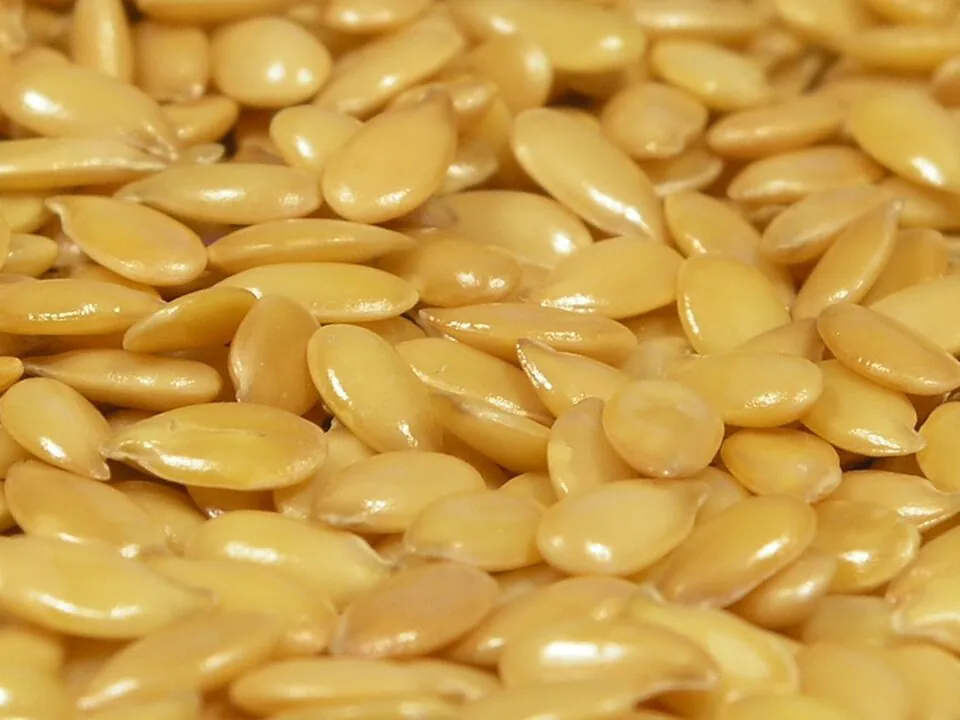
Flaxseed
SeedWhich has a higher calorie count?
Tap the correct card
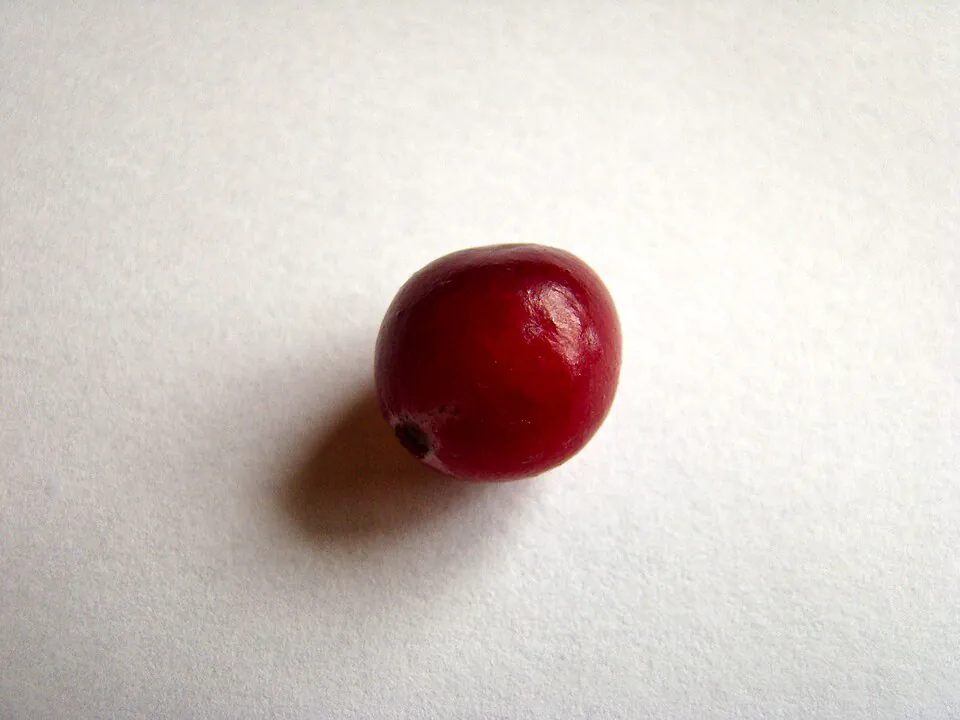
Cranberry
FruitWhich has a higher calorie count?
Tap the correct card
VS
Rules & what counts
Food Calories Higher or Lower — Rules & What Counts
Two foods appear side by side. One question: which one has more calories? Tap your answer, and the streak continues until you are wrong.
Everybody thinks they know this one. Almost nobody does. The quiz holds 311 foods, from water at 0 to lard at 902, and the surprises live in the middle of that range.
The trap is that people rank foods as "healthy" or "unhealthy" and then guess with that ranking. Energy does not work that way. Bacon carries more calories than milk chocolate. Peanut butter carries more than a doughnut. Dried fruit carries several times what the fresh fruit does, and olive oil beats butter, which beats every chocolate bar in the deck.
How to play
- Two cards are dealt. Tap the food you think has the higher calorie count.
- A correct tap reveals both numbers and deals a new pair. Your streak goes up by one.
- A wrong tap ends the run. There are no lives.
- You do not need to know the numbers. You only need to know which of the two is higher.
- The two cards in a pair are always at least 6% apart, so a run is never decided by a coin flip.
- A full lap of the deck completes the chain and ends the run in triumph.
What counts in this quiz
- 311 foods and drinks: fruit, vegetables, meat, fish, dairy, cheese, grains, bread, nuts, sweets, fast food, sauces, fats and drinks.
- Every figure is energy in kilocalories per 100 grams. The drinks are per 100 millilitres, and their card says so.
- One unit for the whole deck is what makes the comparison about the food. Per portion, the quiz would only measure who serves more: a bowl of soup would beat a square of chocolate, which tells you nothing.
- The state of the food is part of the card. Rice, pasta and lentils are counted cooked; oats, spaghetti and instant noodles are counted dry. The card's second line says which.
- The figures are the conventional reference values used on nutrition labels and in food composition tables.
What's not included — and why
- Brands are not here. "Chocolate" is chocolate, not one company's bar, so no card depends on a recipe that changes next year.
- Portion sizes are not part of the quiz. A doughnut beating an apple per 100 g says nothing about how much of each a person eats.
- Diet and health claims are not part of it either. Calories measure energy, not nutrition — cheese and crisps sit close together here, and they are not the same food.
- Values differ a few percent between published sources for the same food, which is exactly why pairs are dealt at least 6% apart.
Good to know
- Water is the only 0 in the deck, and lard the highest at 902 kcal per 100 g. Pure fat is the ceiling: no food can pass about 900, because fat itself is 9 kcal per gram.
- Olive oil and sunflower oil are both 884 — no oil is meaningfully lighter than another, whatever the bottle says.
- Bacon is 541 and milk chocolate is 535 — the bacon wins, and almost nobody guesses that way round.
- Drying is a multiplier. Grapes are 69 and raisins 299; apricots go from 48 to 241. Removing the water leaves the sugar behind.
- Macadamia nuts, at 718, are the most calorie-dense food here that is not a pure fat — ahead of pecans, brazil nuts and every chocolate.
- Vodka is 231 kcal per 100 ml with no fat, no sugar and no protein. Alcohol carries 7 kcal per gram, nearly as much as fat.
- Celery at 16 is often called a "negative calorie" food. That is a myth: chewing and digesting it does not use up the 16.