Greek and Egyptian name forms both count.
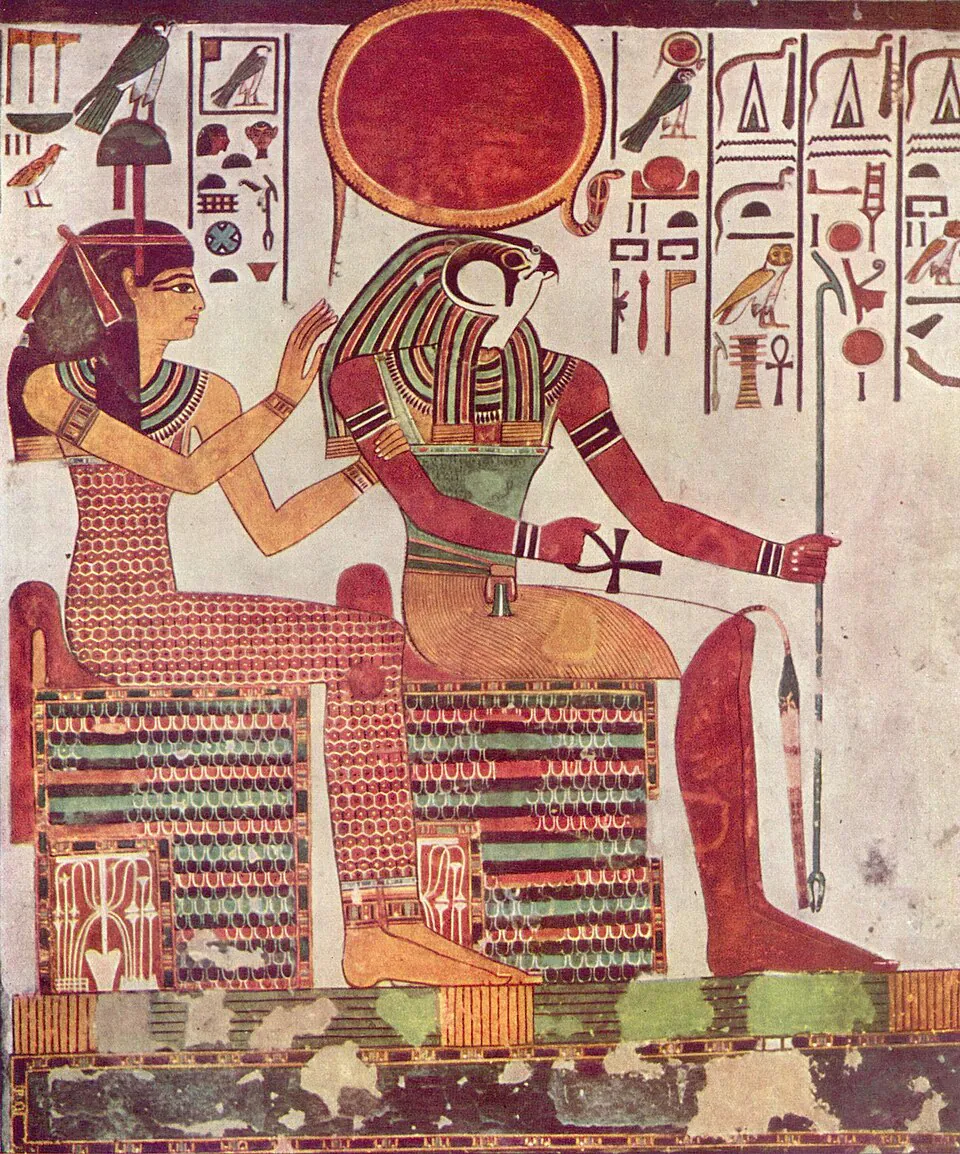
? ? ?God of the sun
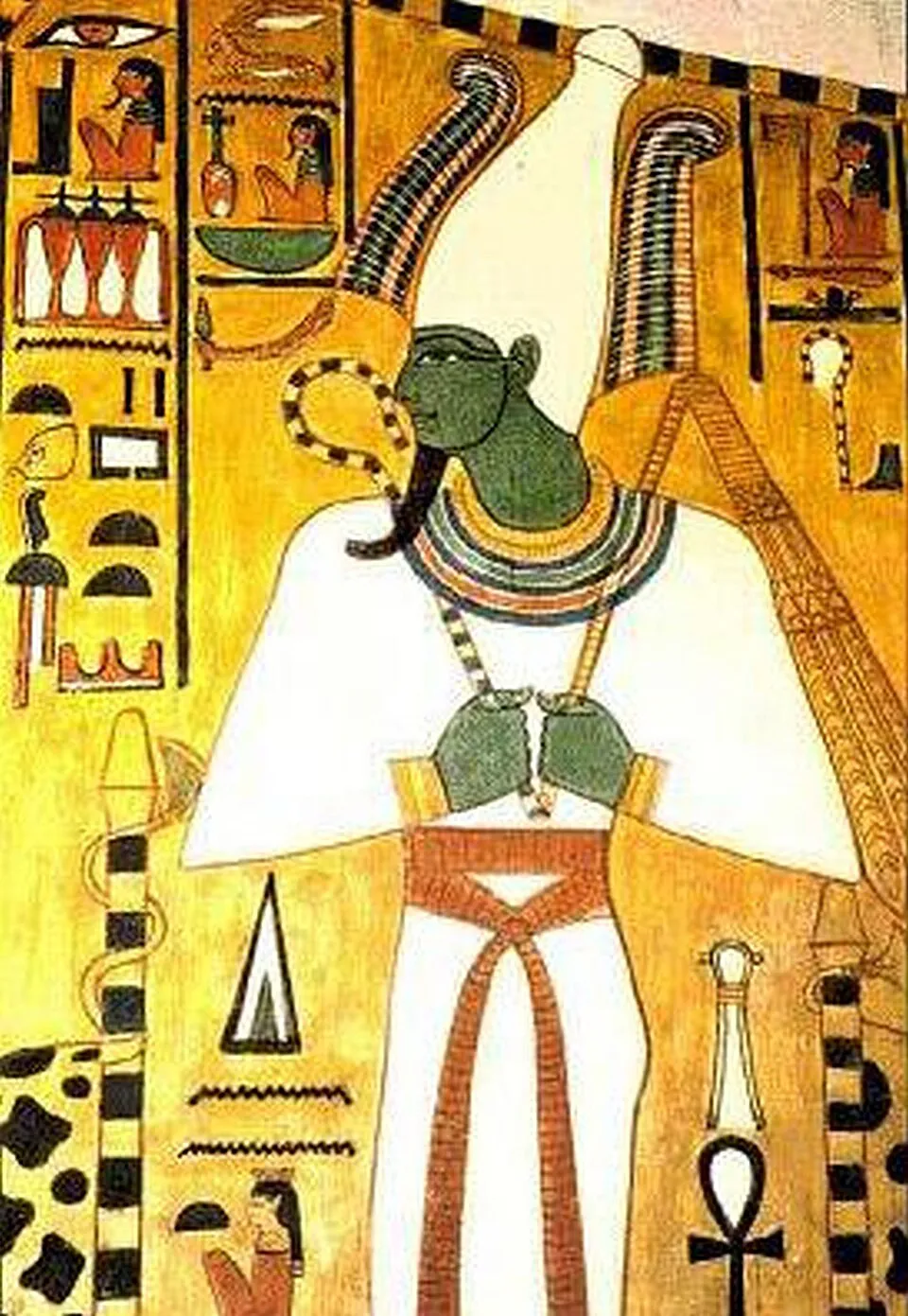
? ? ?God of the afterlife
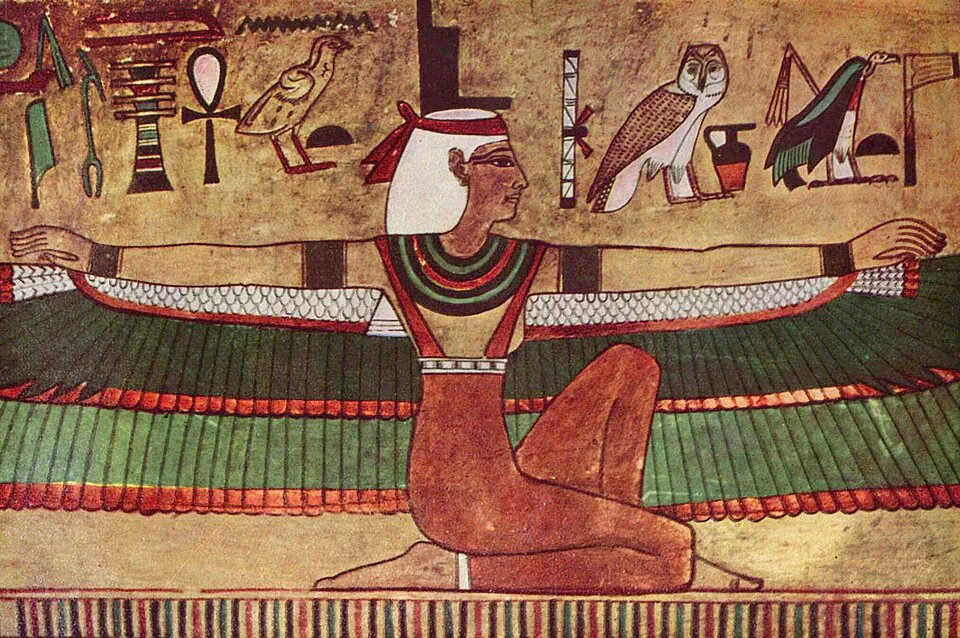
? ? ?Goddess of magic
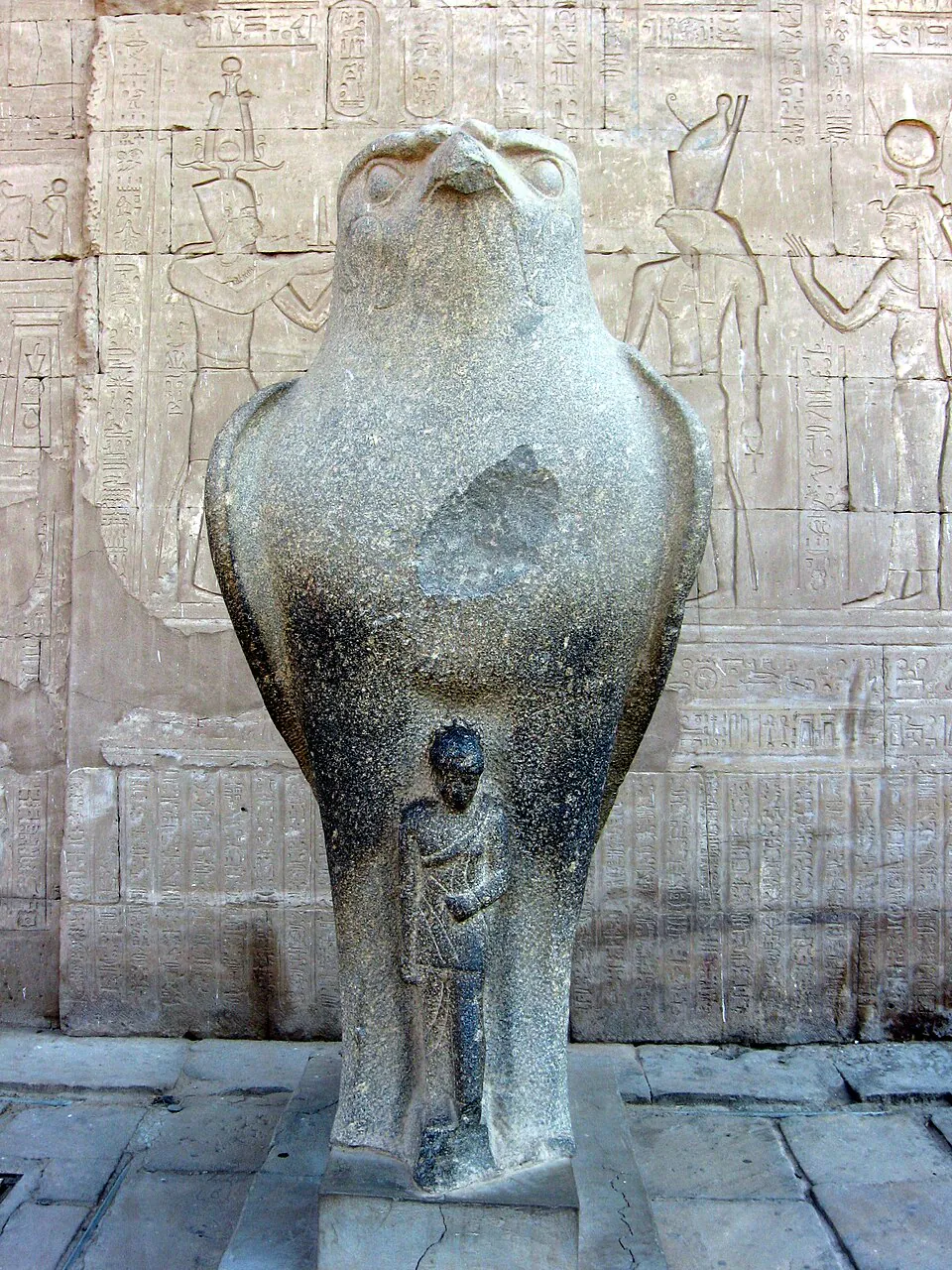
? ? ?God of the sky
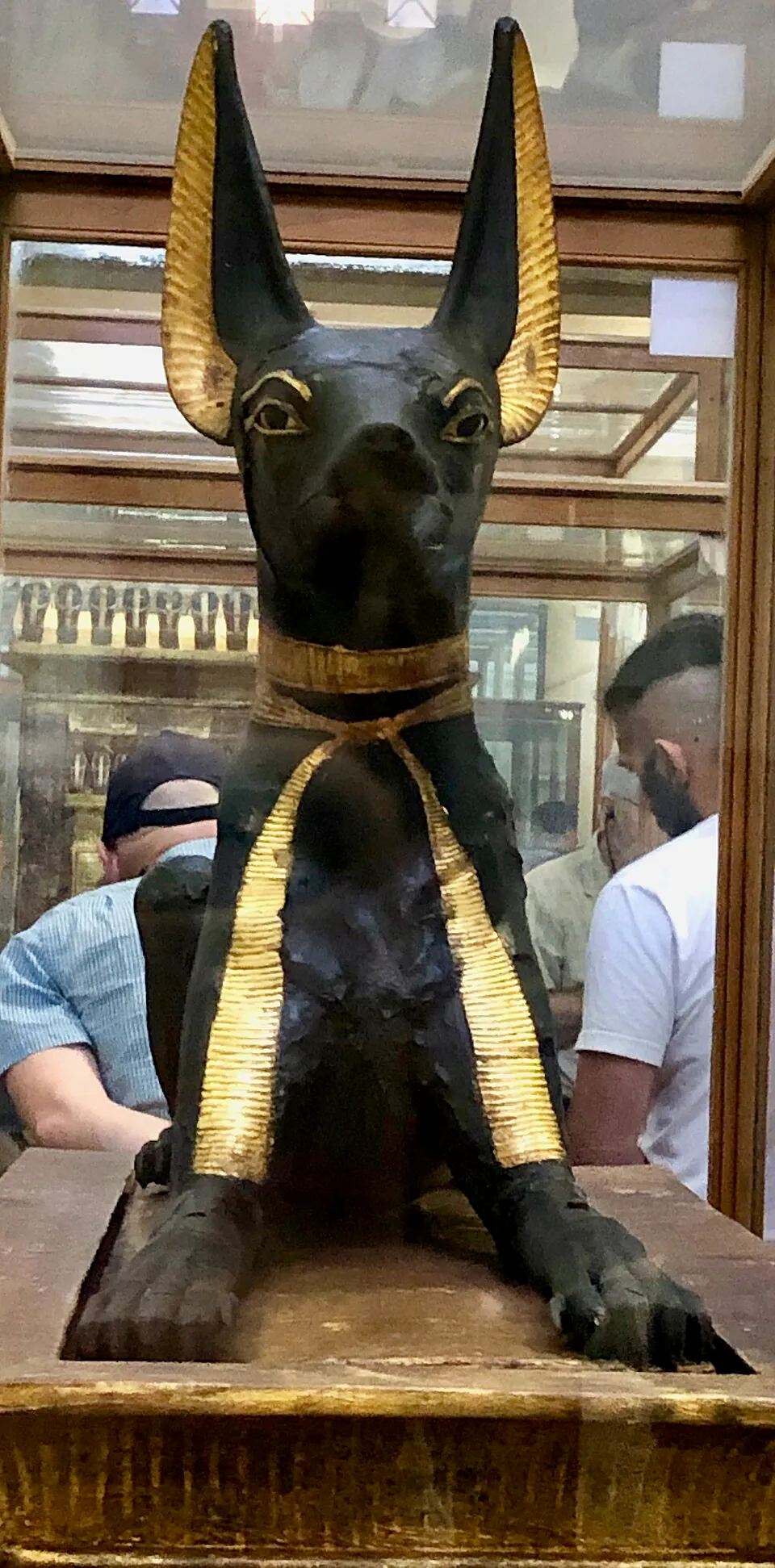
? ? ?God of mummification
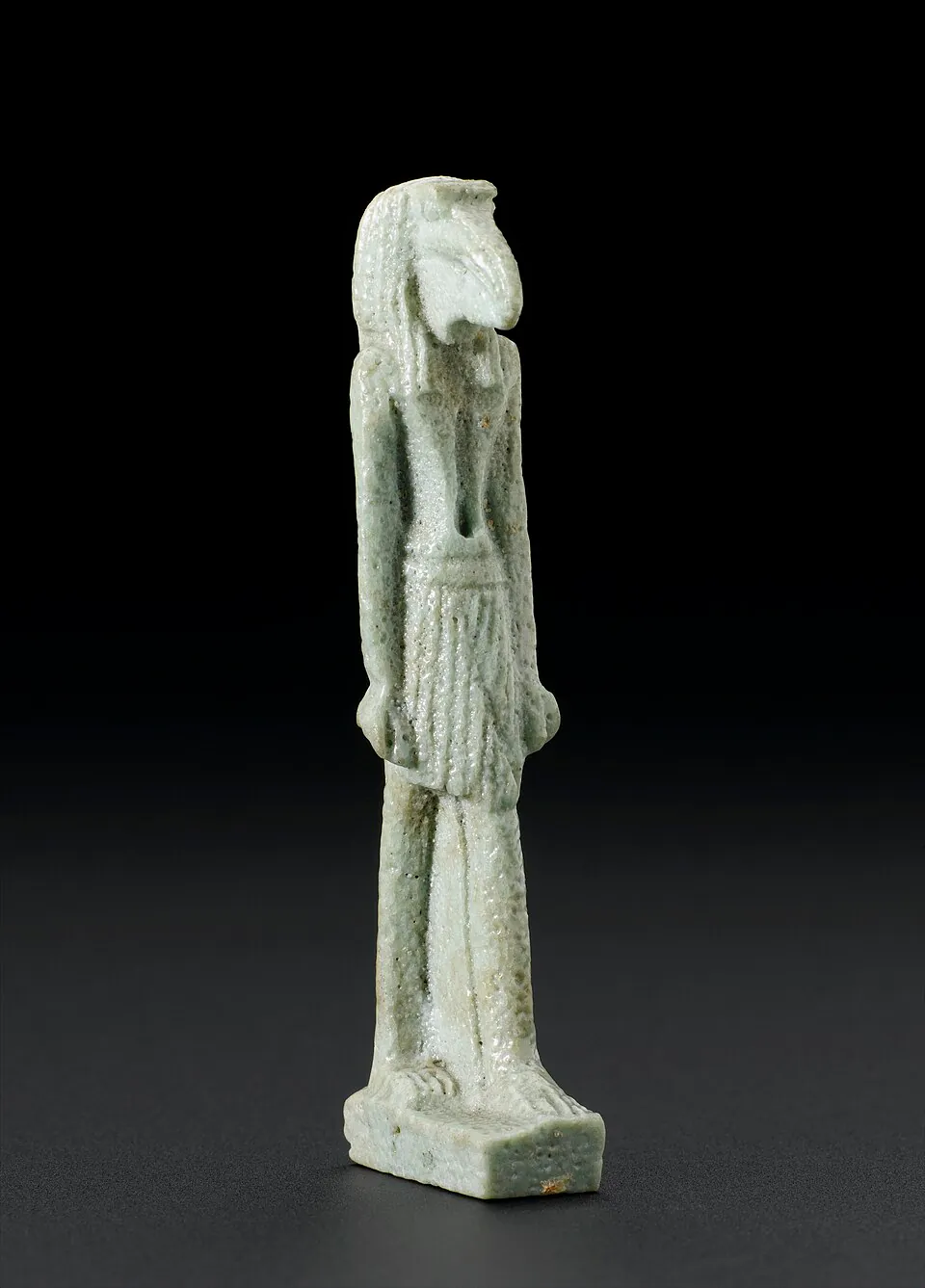
? ? ?God of writing and wisdom
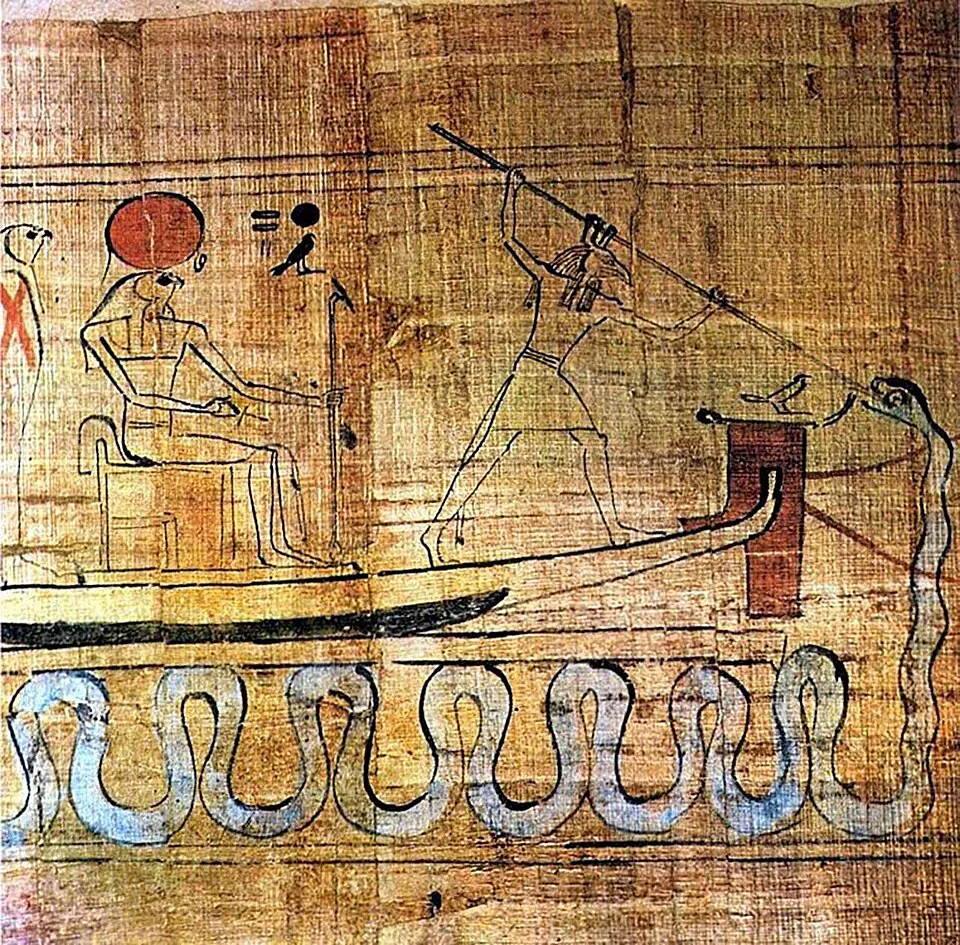
? ? ?God of chaos and storms
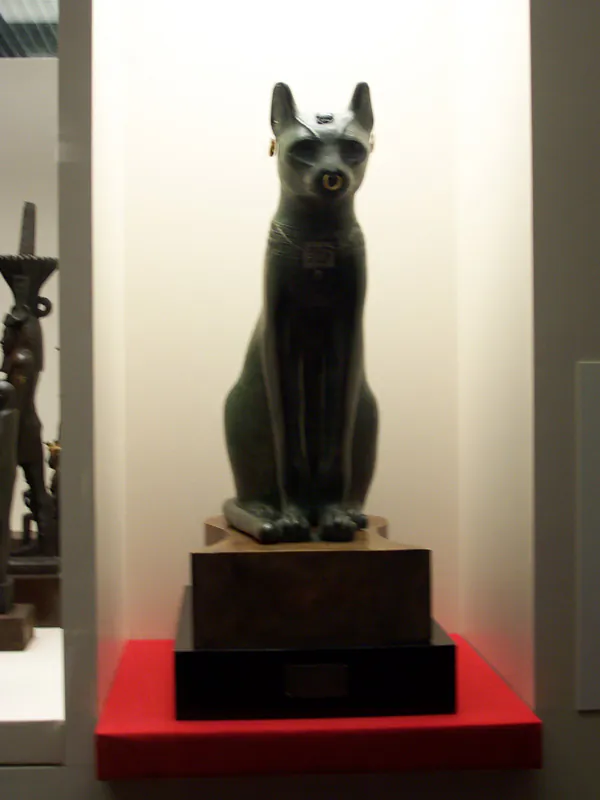
? ? ?Goddess of cats
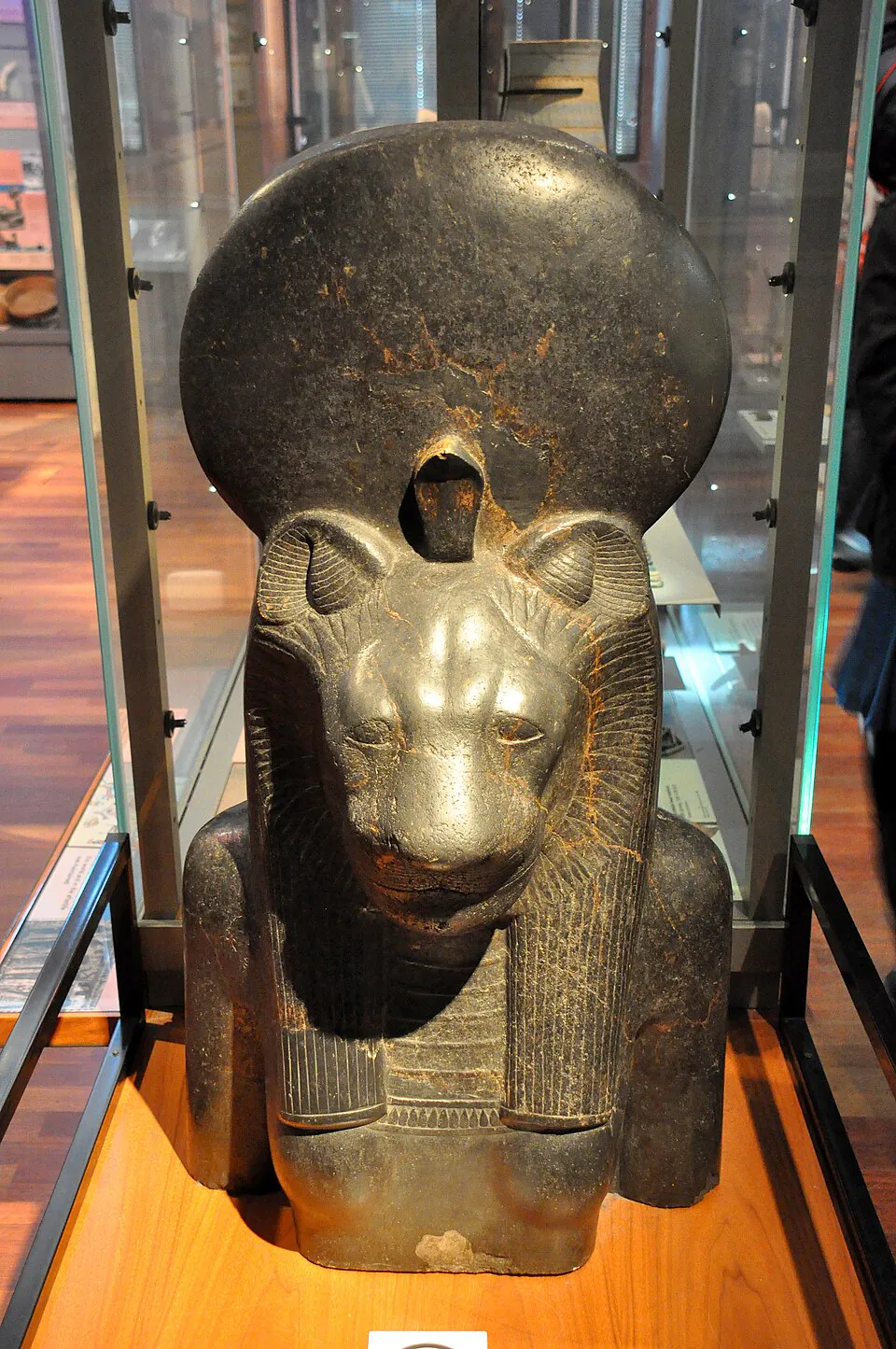
? ? ?Lioness goddess of war
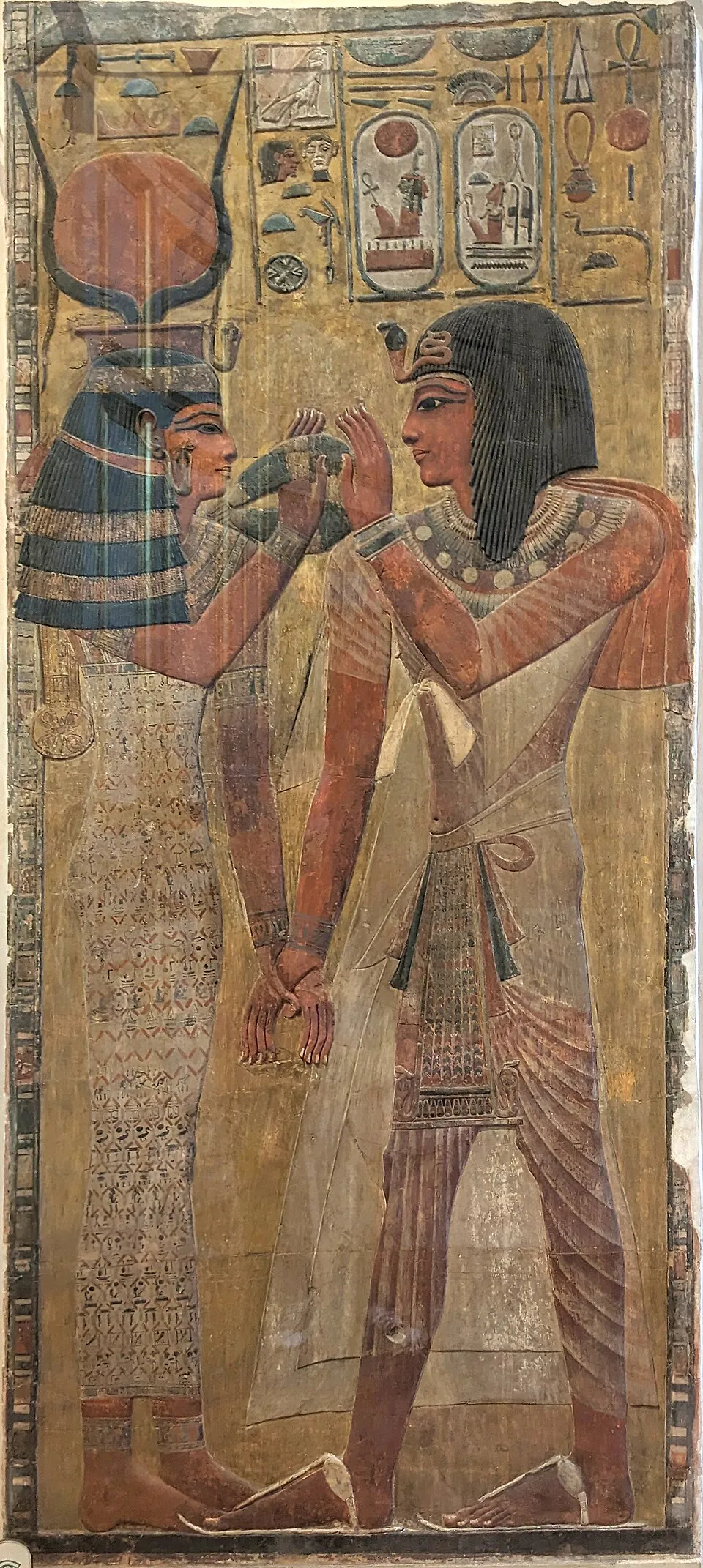
? ? ?Goddess of love and music
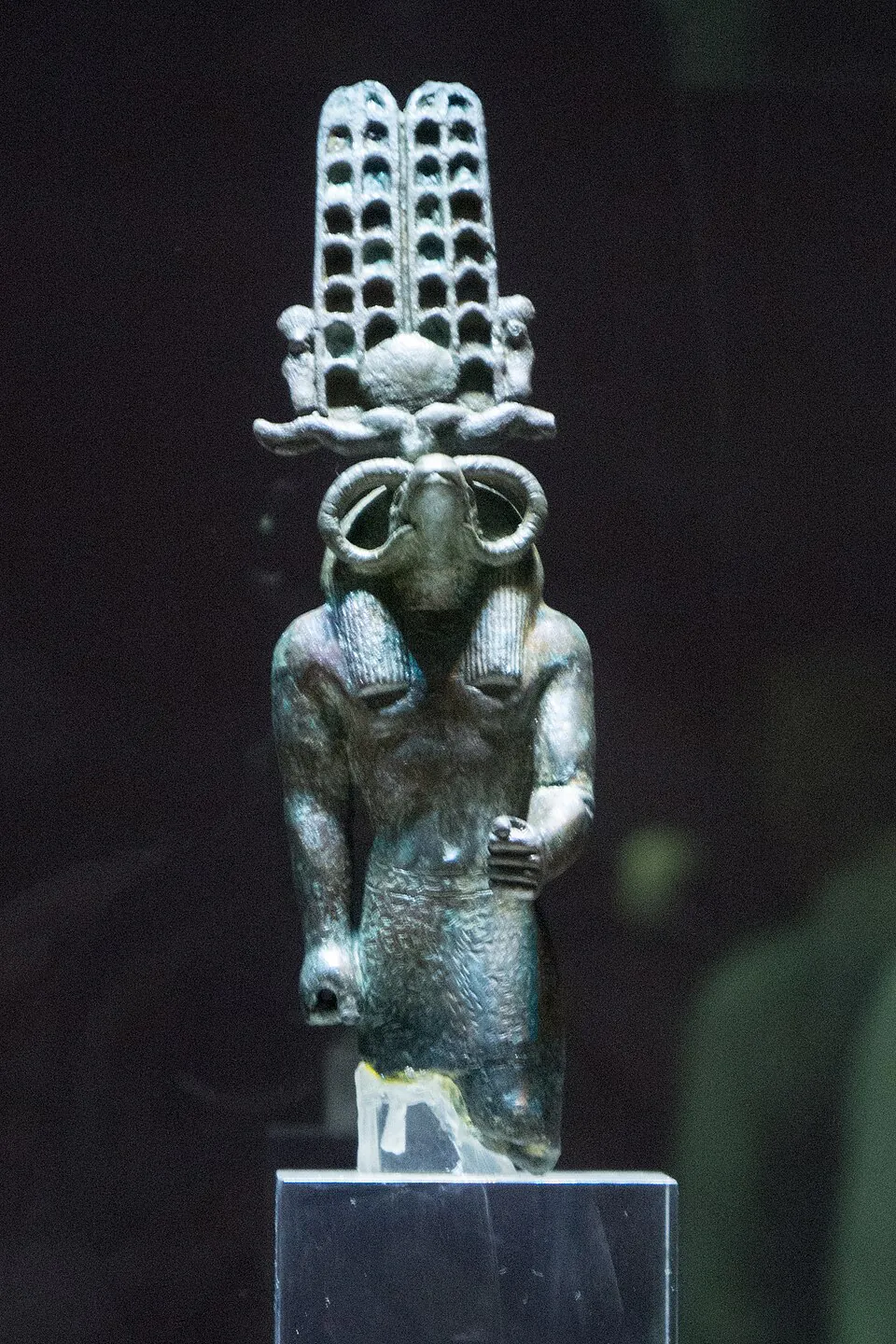
? ? ?Crocodile god of the Nile
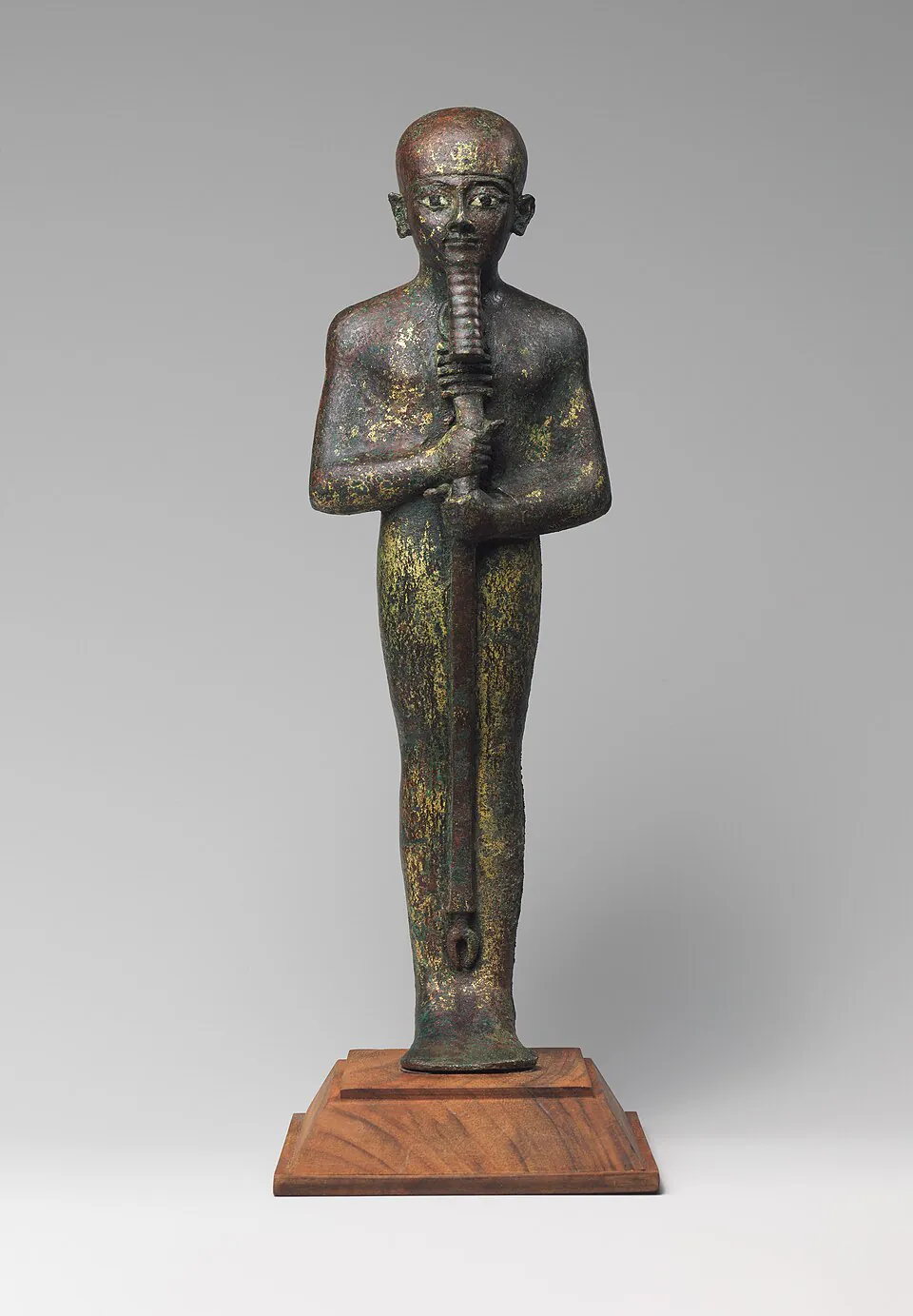
? ? ?God of craftsmen
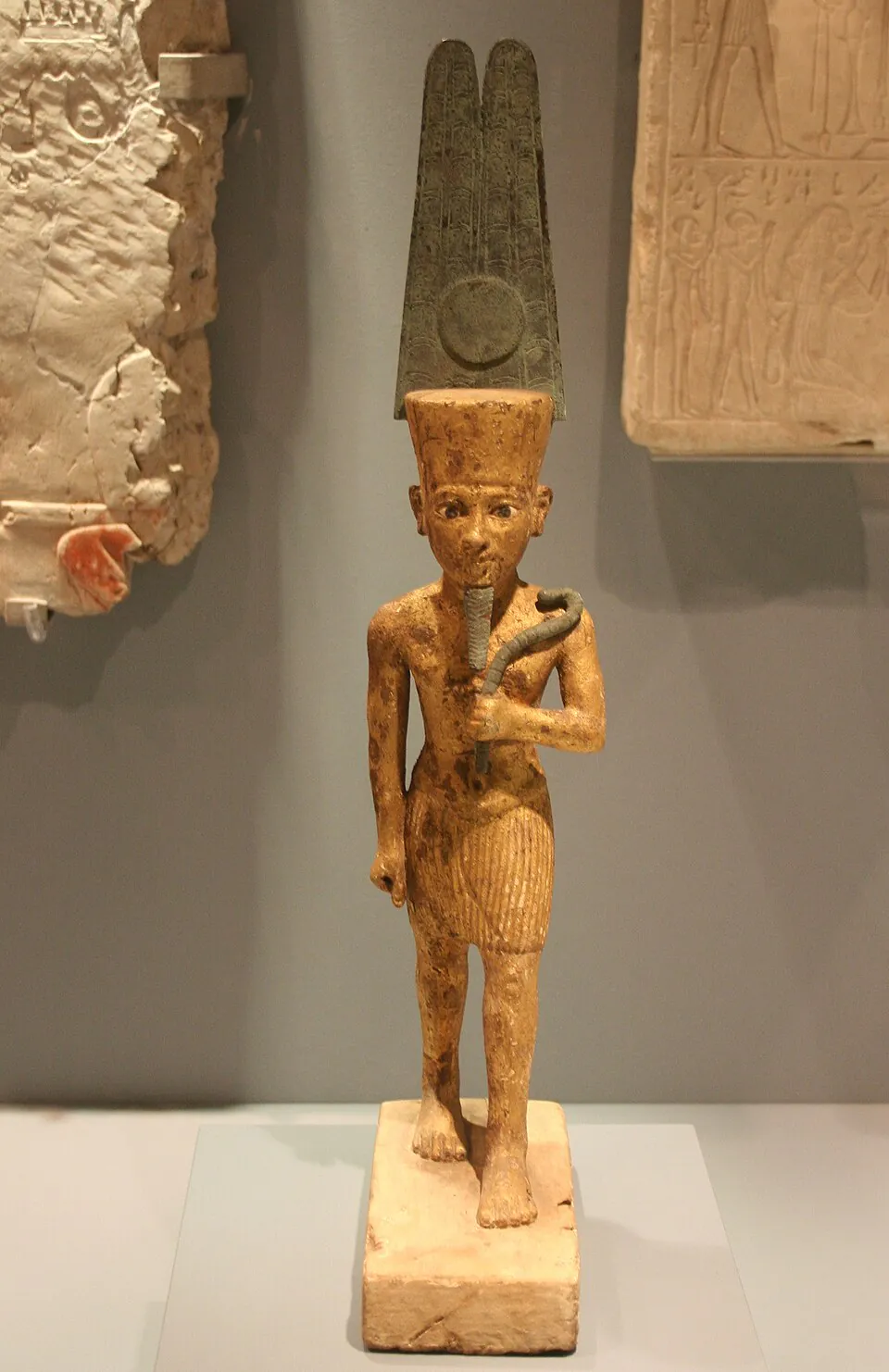
? ? ?King of the gods
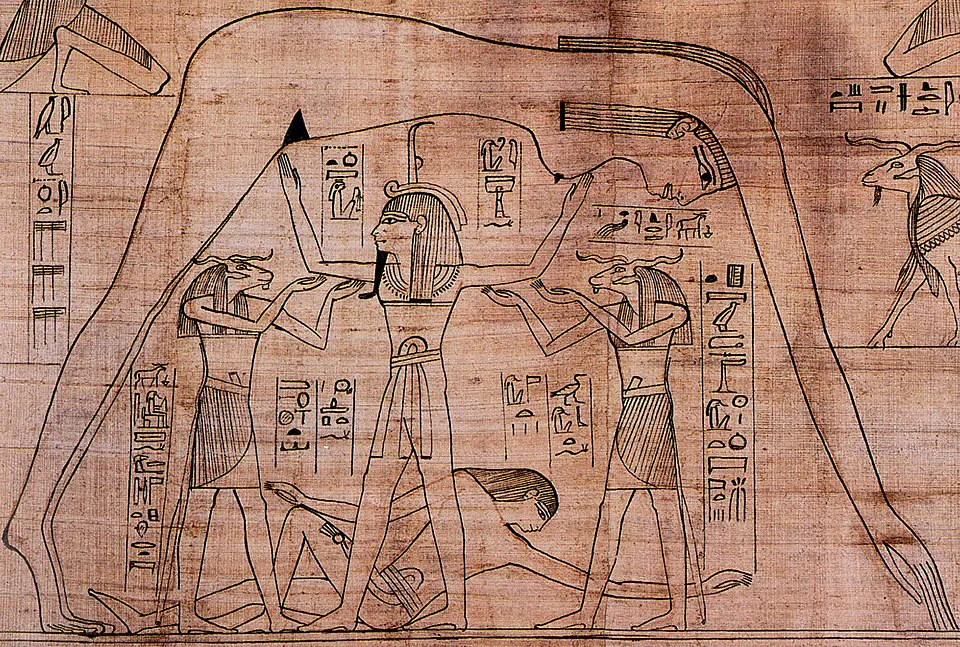
? ? ?Goddess of the sky
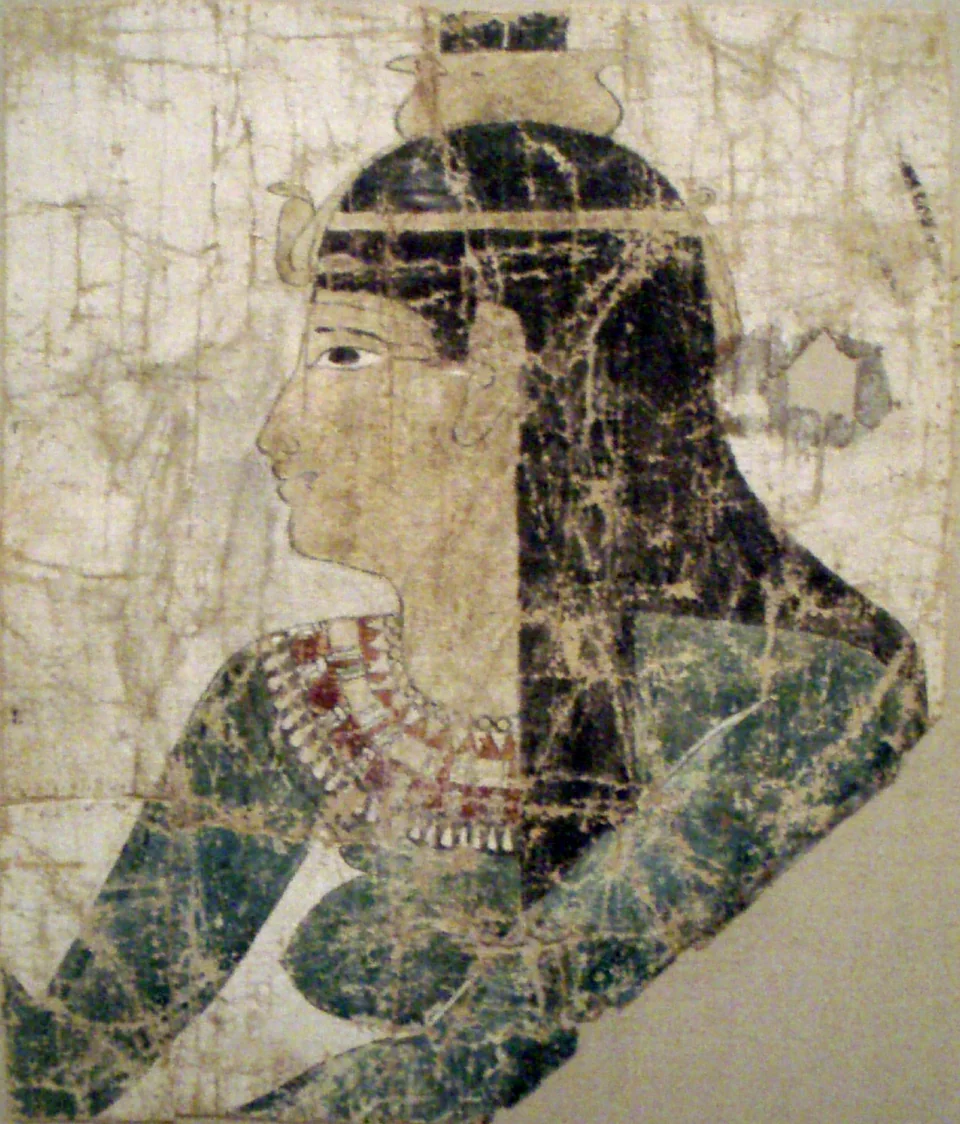
? ? ?Goddess of mourning
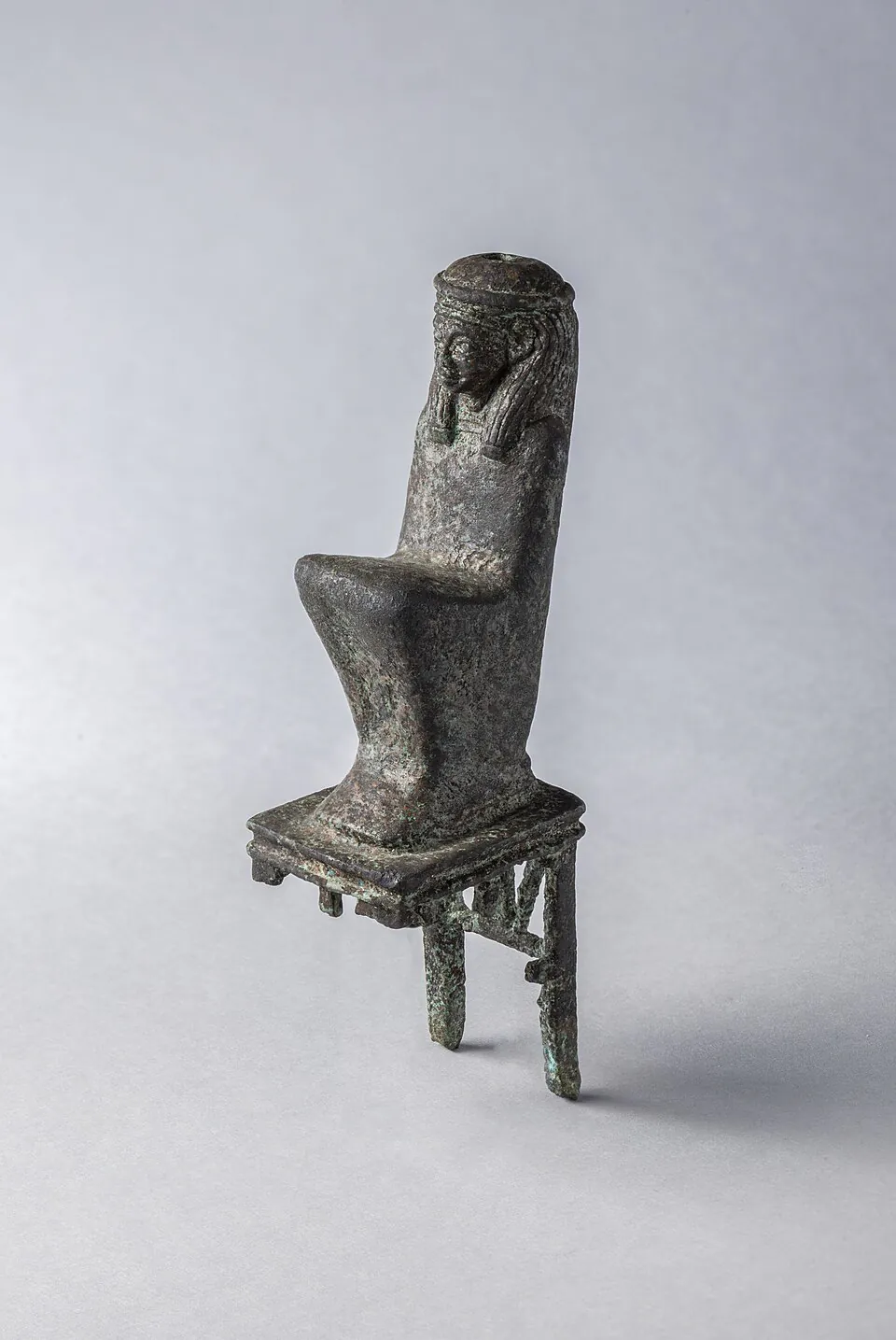
? ? ?Goddess of truth and order
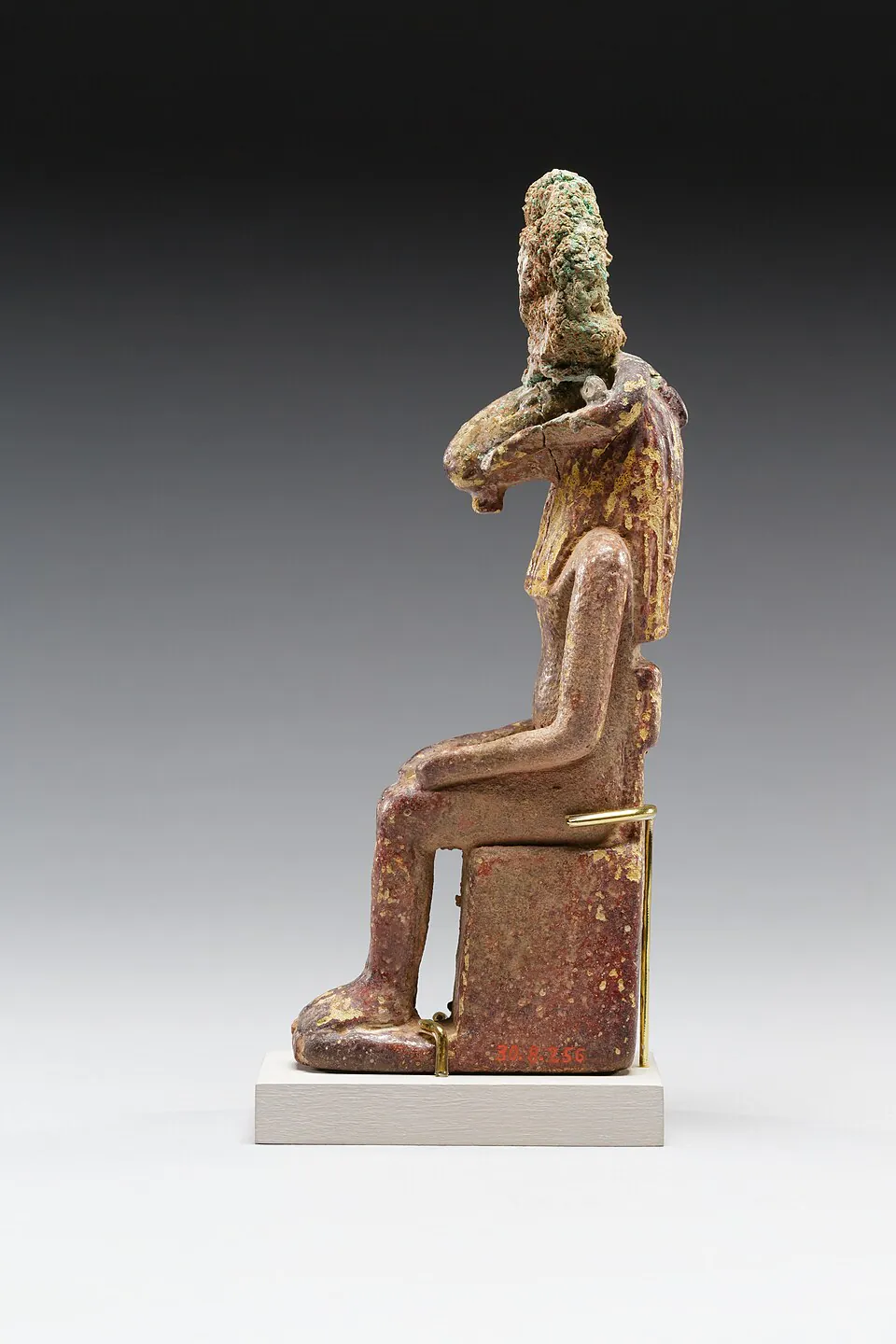
? ? ?Ram-headed creator god
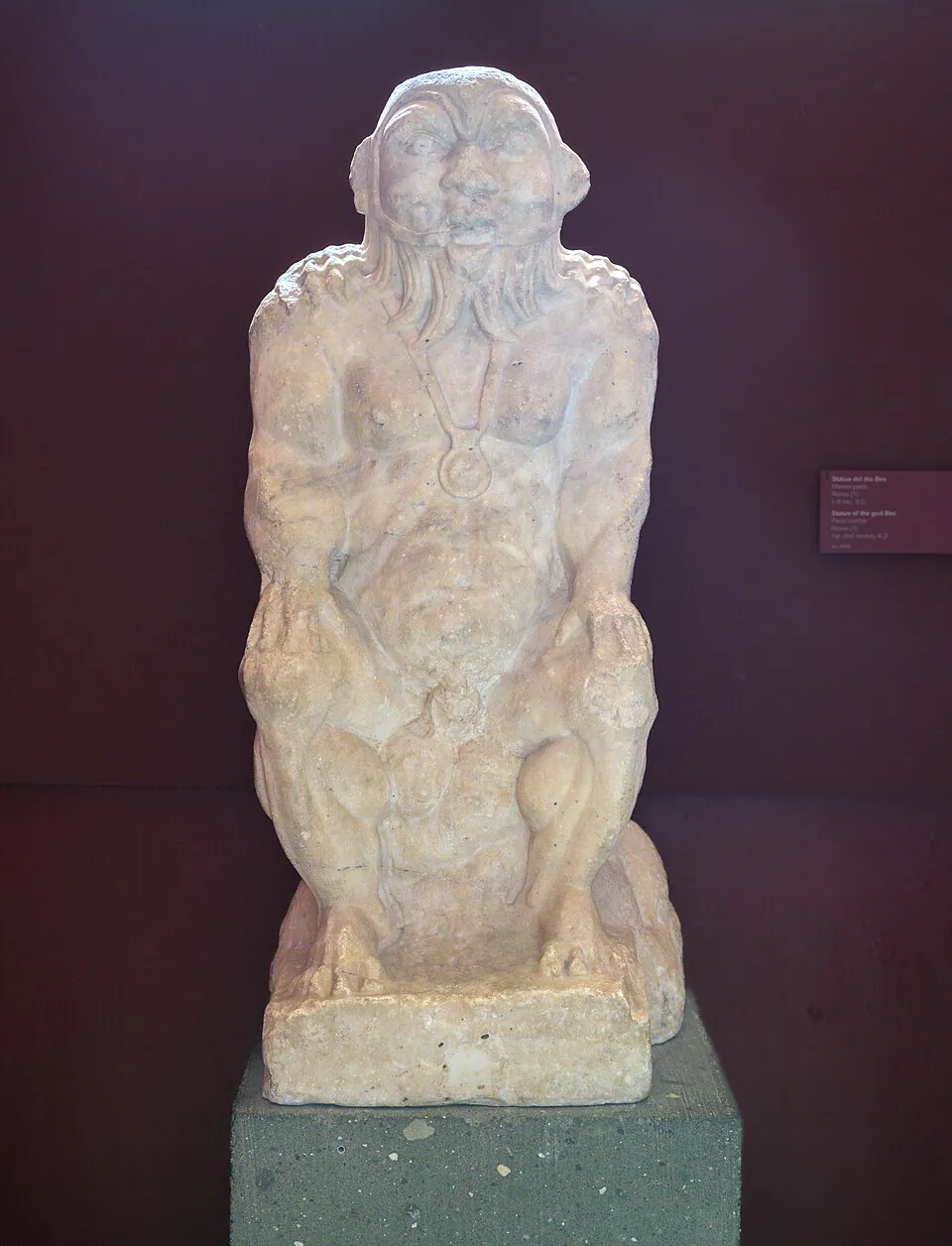
? ? ?Protector of the home
Photo credits
- God photos come from Wikimedia Commons. The photographers are:
- Marie Thérèse Hébert & Jean Robert Thibault (Anubis) · CC BY-SA 2.0
- Wellcome Collection (Thoth) · CC BY 4.0
- InSapphoWeTrust (Bastet) · CC BY-SA 2.0
- Osama Shukir Muhammed Amin (Sekhmet) · CC BY-SA 4.0
- Fanny Schertzer (Sobek) · CC BY-SA 4.0
- Einsamer Schütze (Amun) · CC BY-SA 3.0
- These photos are in the public domain or CC0: Ra, Osiris, Isis, Horus, Set, Hathor, Ptah, Nut, Nephthys, Maat, Khnum, Bes.
Rules & what counts
Egyptian Gods Quiz — Rules & What Counts
Each card shows one god of ancient Egypt as ancient art — a museum statue, a tomb painting or a papyrus. You type the god's name.
The deck holds 18 gods, from Ra and Osiris to Bastet and Bes.
Egyptian gods are the easiest to read in all mythology. Almost every god has an animal head or one fixed attribute: the jackal is Anubis, the ibis is Thoth, the crocodile is Sobek.
How to play
- Every card is visible from the start. Type any god's name to solve its card.
- Start typing anywhere; the answer bar catches it automatically.
- Greek and Egyptian name forms both count. "Seth" solves Set, "Djehuty" solves Thoth, and "Bast" solves Bastet.
- Frequent misspellings count too, such as "Anubus" and "Sekmet".
- A god that is not in the deck, such as Geb or Apophis, clears the input so you know the quiz read the guess.
- Each card shows the god's domain, for example "God of the sun". Use the domain as a hint.
- The timer starts at your first keystroke and counts up. Give Up ends the run and shows every god you missed. Progress saves automatically.
What counts in this quiz
- 18 gods: Ra, Osiris, Isis, Horus, Anubis, Thoth, Set, Bastet, Sekhmet, Hathor, Sobek, Ptah, Amun, Nut, Nephthys, Maat, Khnum and Bes.
- Every artwork is thousands of years old: statues from the Louvre, the British Museum and the Egyptian Museum in Cairo, and paintings from the tomb of Nefertari.
- Anubis' card is the Anubis Shrine from Tutankhamun's tomb — the jackal that guarded the pharaoh's canopic chest.
- Every photo is a freely licensed Wikimedia Commons image. The photographers are credited under the grid.
What's not included — and why
- The primordial gods are not here. Geb, Shu and Atum came before the famous generation, but the quiz recognises their names as real answers that solve nothing.
- Apophis is not here. The serpent of chaos is an enemy of the gods, not a god — but you can see Set spearing it on Set's own card.
- Pharaohs are not answers. Seti I stands beside Hathor on her card, but the goddess is the answer.
Good to know
- Amun-Ra is two gods in one. Thebes merged its local god Amun with the sun god Ra when it became the capital.
- The Gayer-Anderson cat, the most famous Bastet bronze, has gold rings in its ears and a silver protective wedjat on its chest.
- Sekhmet once nearly destroyed humanity. Ra stopped her with beer dyed red as blood — she drank it, slept, and woke calm.
- Nut swallows the sun every evening and gives birth to it every morning. Her arched body is the sky itself.
- Bes is the one god who faces you head-on. Egyptian art draws everyone else in profile — the guardian dwarf stares straight out.