The quiz uses 20 well-known crabs. Many more crabs exist.
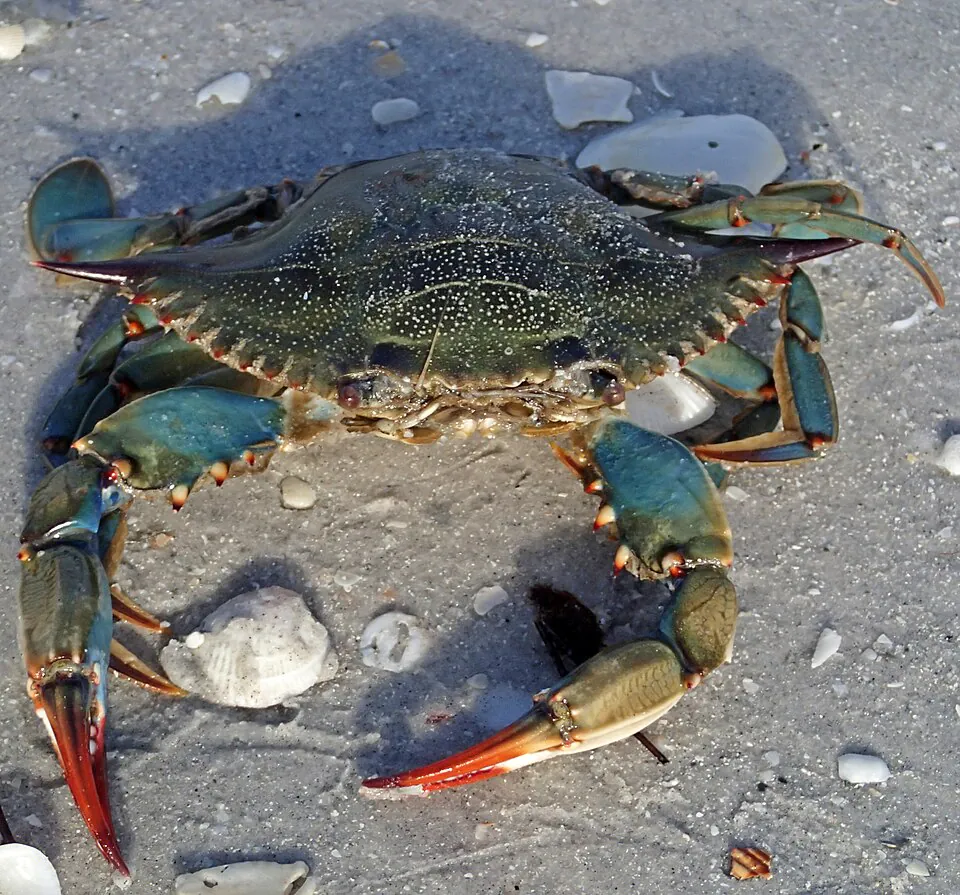
? ? ?
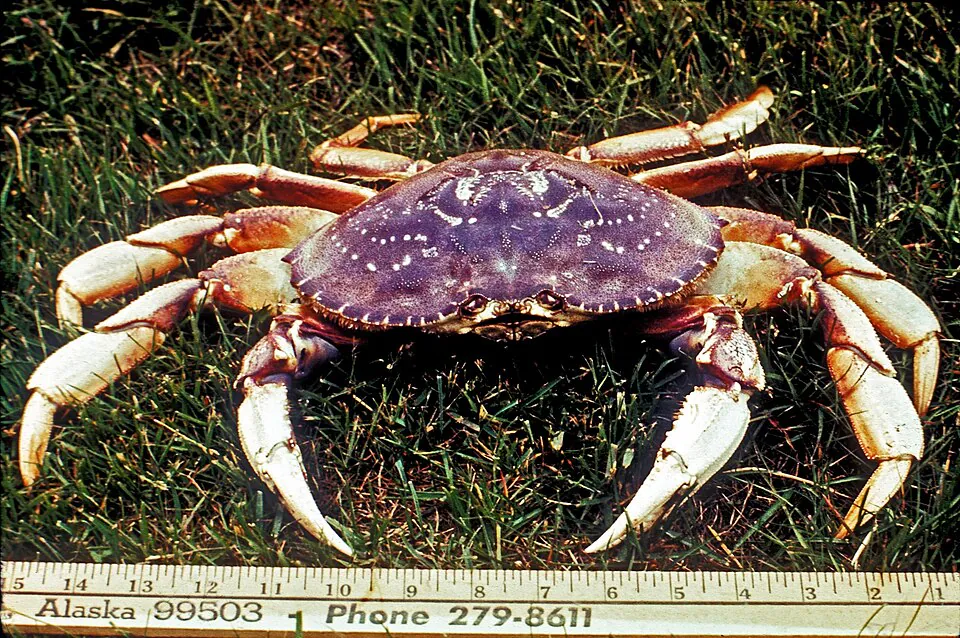
? ? ?
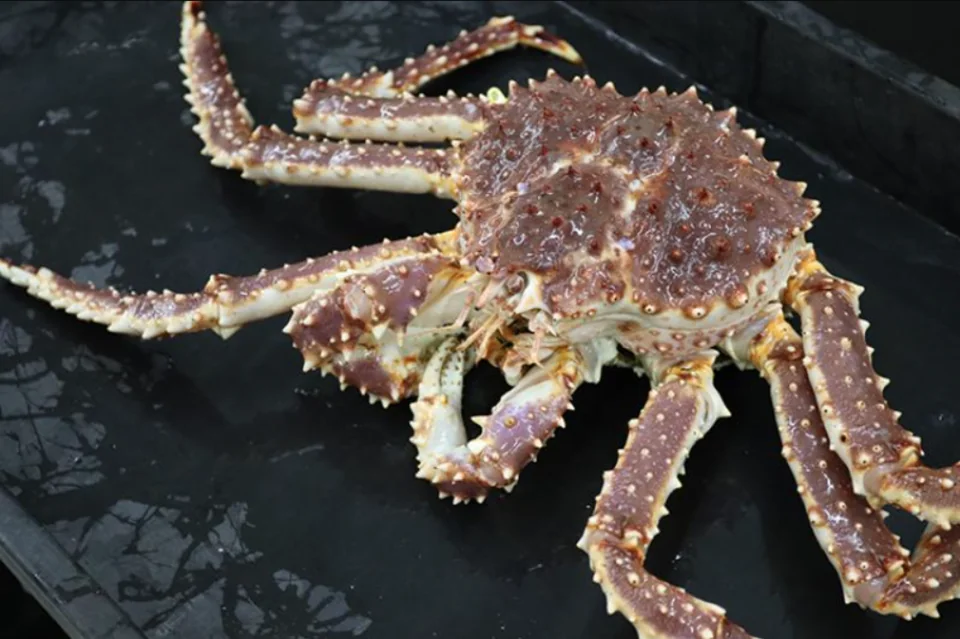
? ? ?
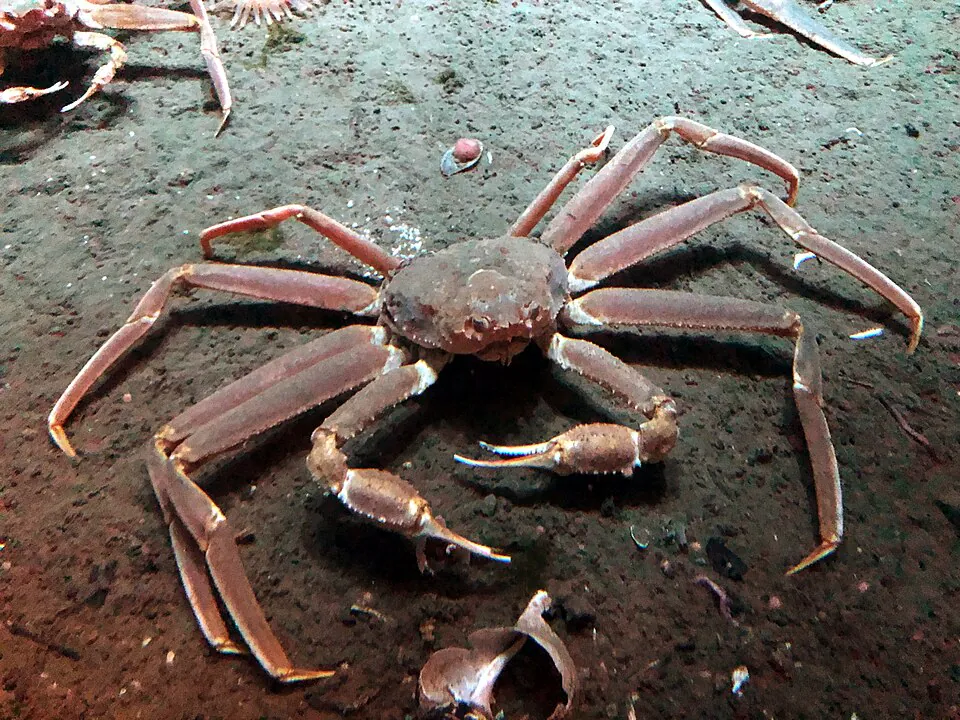
? ? ?
? ? ?
? ? ?
? ? ?
? ? ?
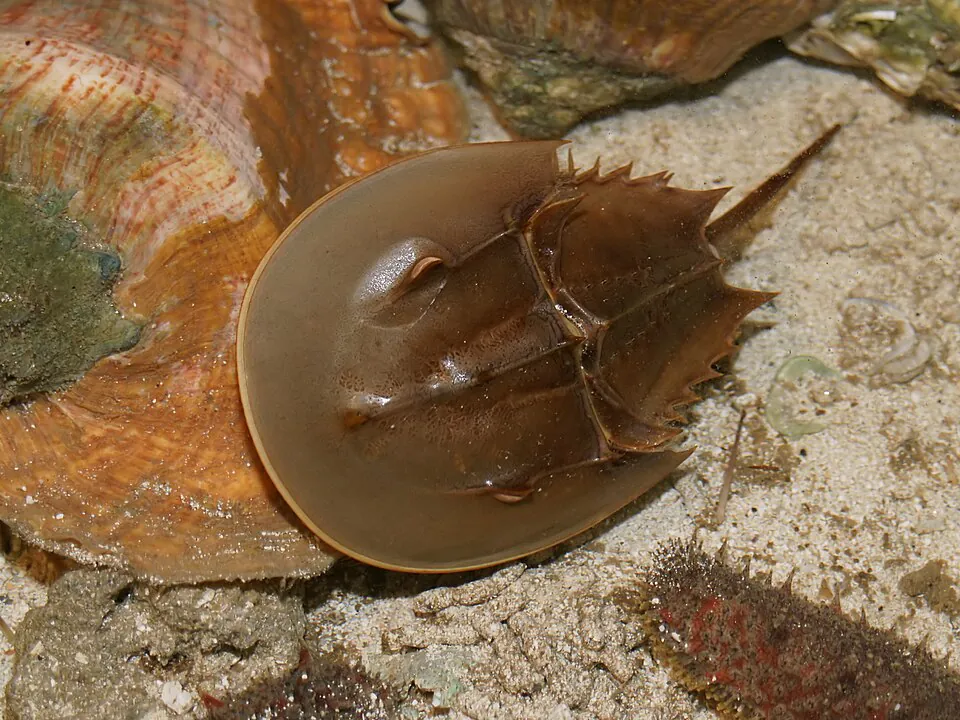
? ? ?
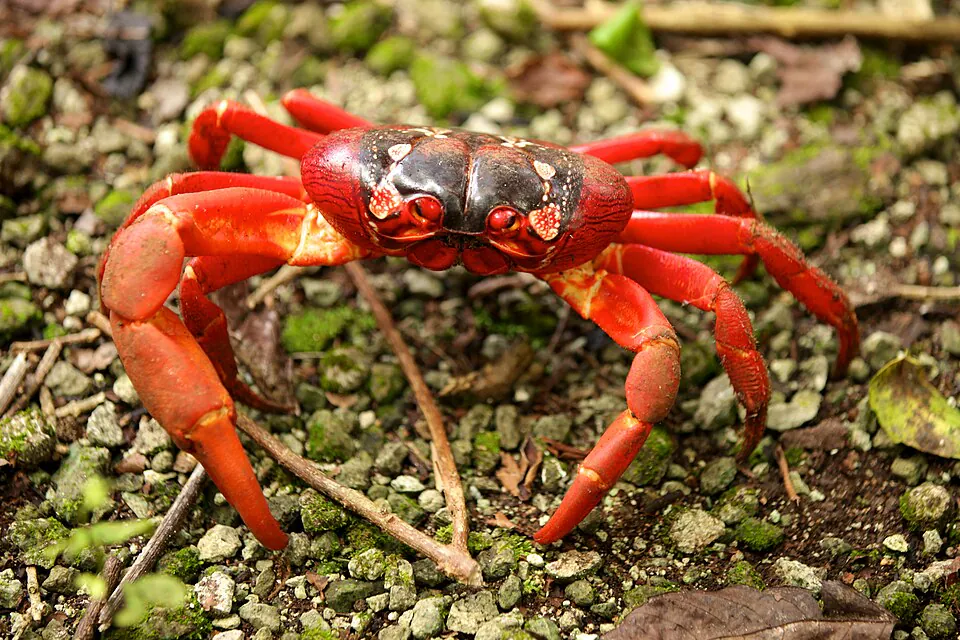
? ? ?
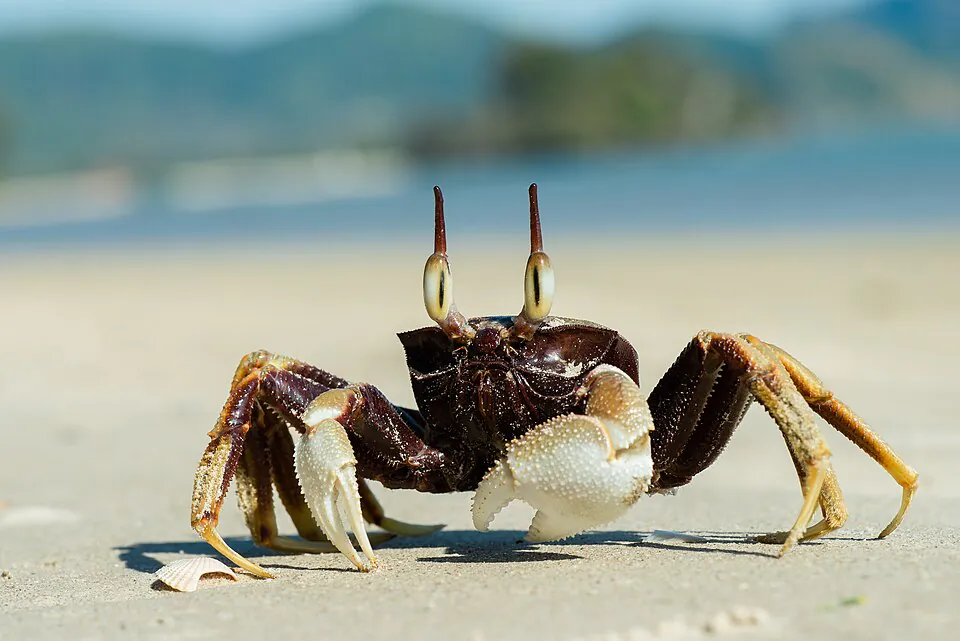
? ? ?
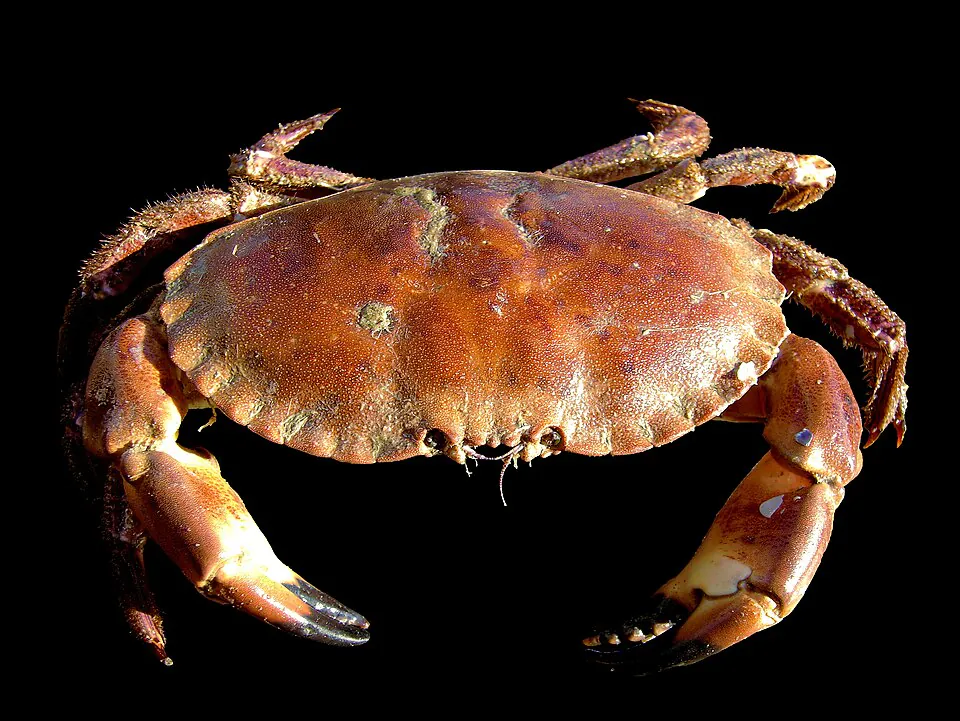
? ? ?
? ? ?
? ? ?
? ? ?
? ? ?
? ? ?
? ? ?
? ? ?
? ? ?
Photo credits
- Crab photos come from Wikimedia Commons. The photographers are:
- Hans Hillewaert (Brown Crab, Green Crab, Horseshoe Crab) · CC BY-SA 4.0
- Hans Hillewaert (Japanese Spider Crab) · CC BY 2.5
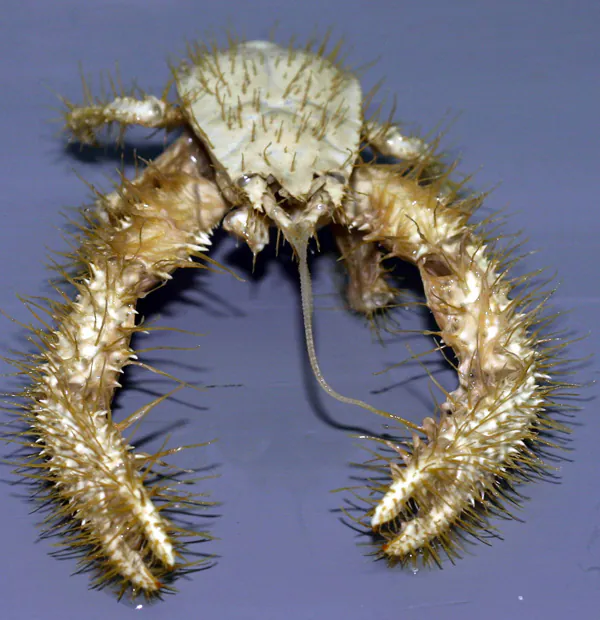
- Andrew Thurber, Oregon State University (Yeti Crab) · CC BY-SA 2.0
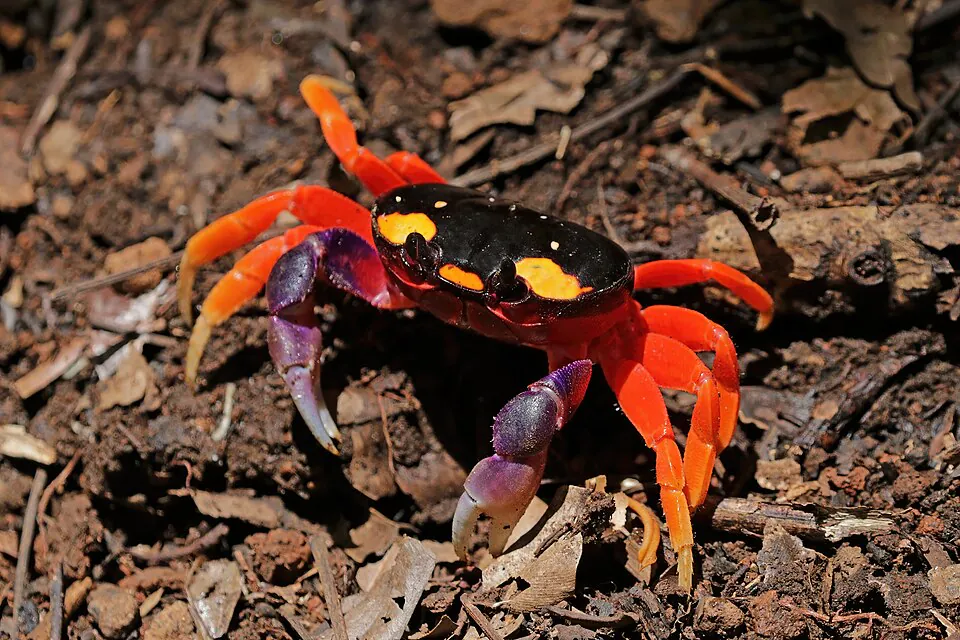
- Charles J. Sharp (Halloween Crab) · CC BY-SA 4.0
- DIAC images (Christmas Island Red Crab) · CC BY 2.0
- Drew Avery (Coconut Crab) · CC BY 2.0
- Eliot Ferguson (Pom-Pom Crab) · CC BY-SA 3.0
- H. Zell (Hermit Crab) · CC BY-SA 3.0
- James St. John (Blue Crab) · CC BY 2.0
- OpenCage (Mud Crab) · CC BY-SA 2.5
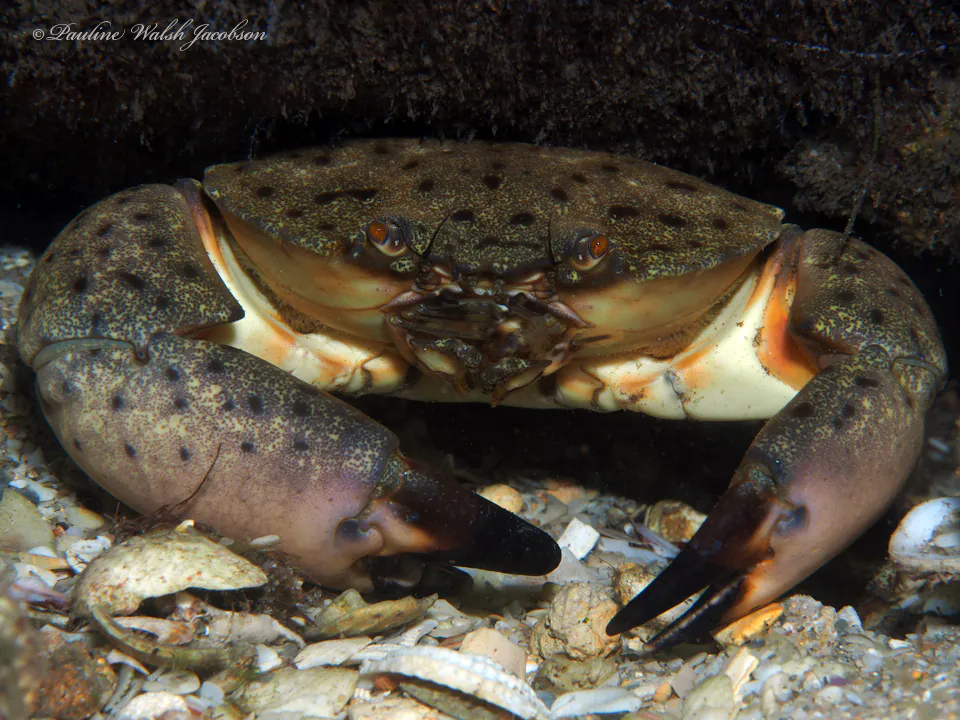
- Pauline Walsh Jacobson (Florida Stone Crab) · CC BY 4.0
- Rushenb (Ghost Crab) · CC BY-SA 3.0
- Totti (Snow Crab) · CC BY-SA 4.0
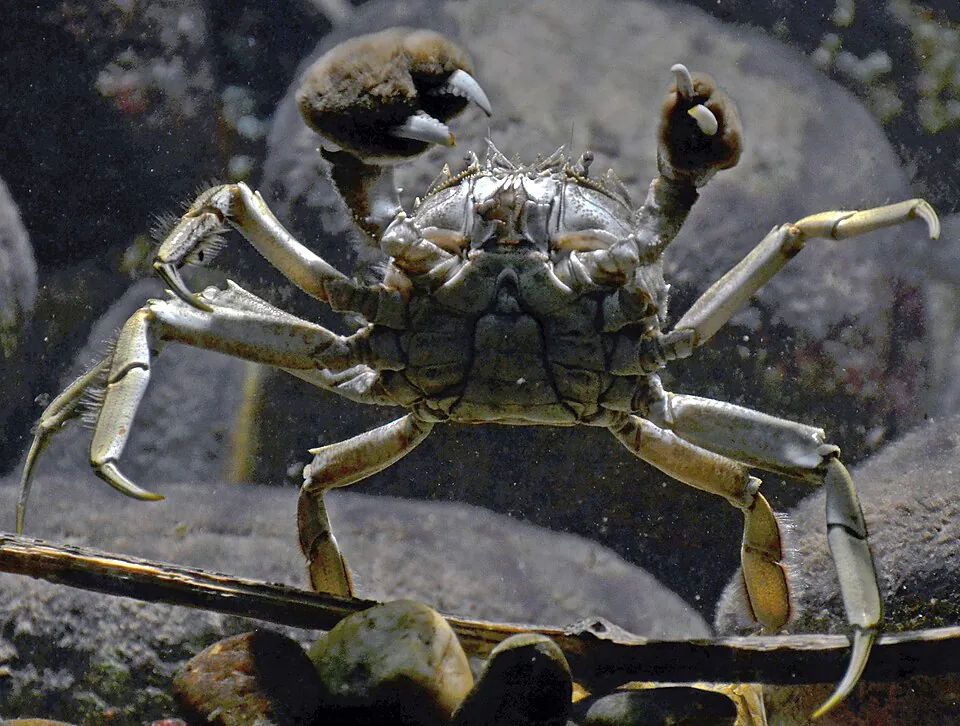
- Vassil (Chinese Mitten Crab) · CC BY-SA 4.0
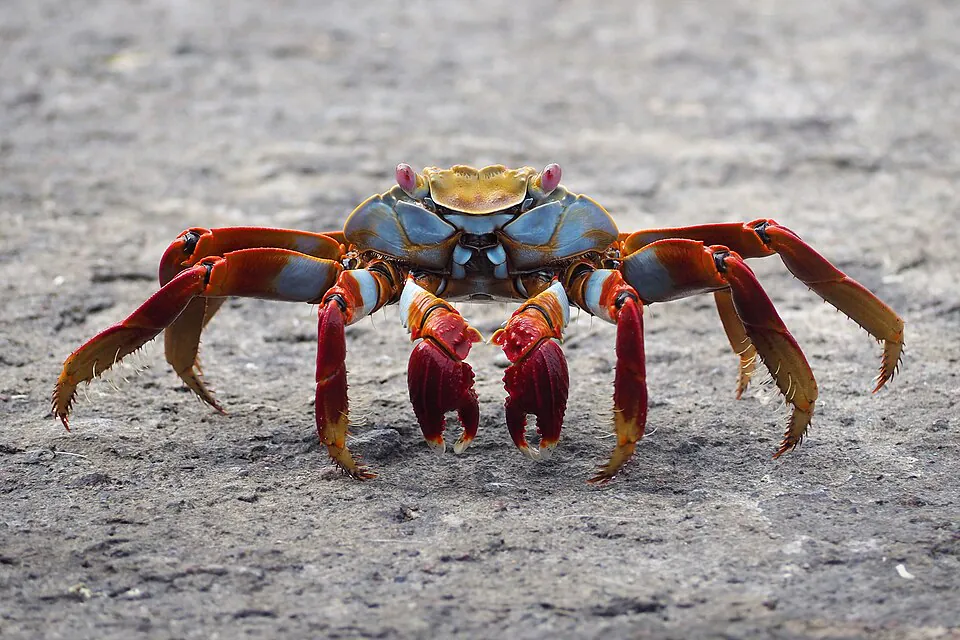
- These photos are in the public domain: Dungeness Crab, Red King Crab, Fiddler Crab, Sally Lightfoot Crab.
Rules & what counts
Name the Crab Quiz — Rules & What Counts
Everyone knows a crab when they see one. Fewer people can say which crab. This quiz shows 20 photos of famous crabs, and you type the name of each one.
The set is the crabs people know by name: the crabs people eat, the crabs people meet on a beach, and the famous oddities of the reef and the deep sea.
The set is pruned so that no two cards look alike. Each body plan appears once.
How to play
- Just start typing. The quiz checks your answer at every keystroke. There is no submit button.
- Everyday names count. If a crab has a second common name, the quiz accepts that name too.
- Scientific names count too. Every card accepts its Latin name.
- Spelling is forgiving. Capitals and hyphens are ignored, and frequent misspellings such as "Dungeoness" are accepted.
- A correct name flips its card and shows the name plate and the scientific name.
- Tap a card to see the photo at full size.
- The timer starts at your first keystroke and counts up. Give Up ends the run and shows every crab you missed. Progress saves automatically.
What counts in this quiz
- 20 well-known crabs from every ocean and several beaches.
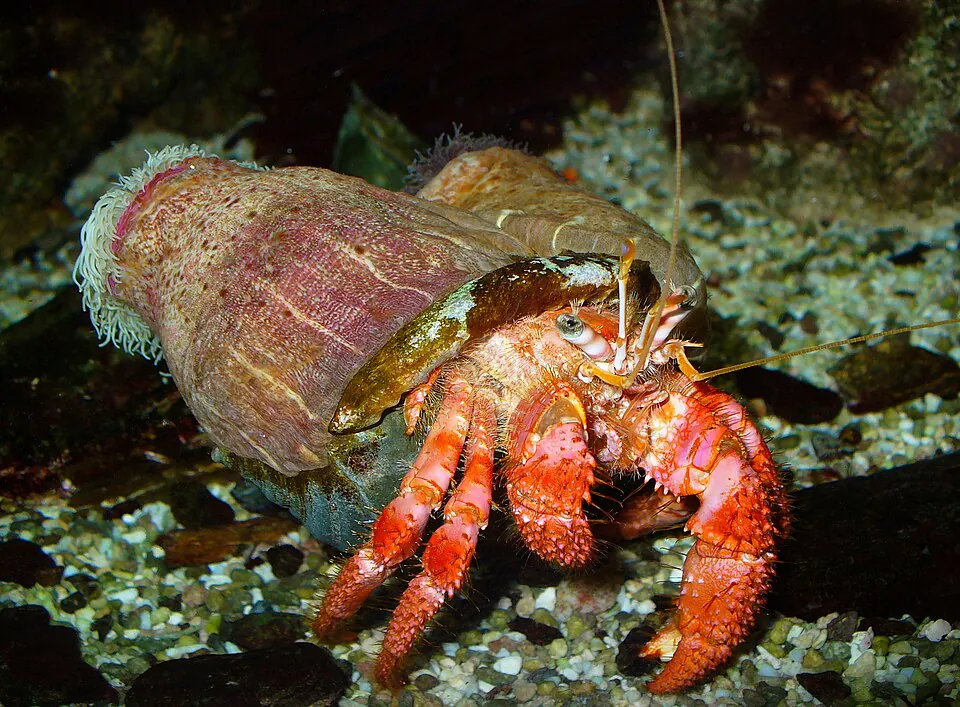
- Five cards are not true crabs. The horseshoe crab is closer to spiders and scorpions. The hermit crab, coconut crab, king crab and yeti crab belong to a separate group that biologists call "false crabs". Everyone calls them crabs, so each one has a card.
- Every photo shows the living animal. No card shows a cooked crab, an empty shell or a single claw.
- Every photo is a freely licensed Wikimedia Commons image. The photographers are credited under the grid.
What's not included — and why
- Lookalikes are left out on purpose, so every card has one clear answer. The blue swimmer crab would read as the blue crab, the Tasmanian giant crab as the brown crab, and the tanner crab as the snow crab.
- Crabs that are famous only as food have no card. A soft-shell crab is a blue crab that has just moulted.
- Crayfish, lobsters and langoustines are not crabs and have no card.
Good to know
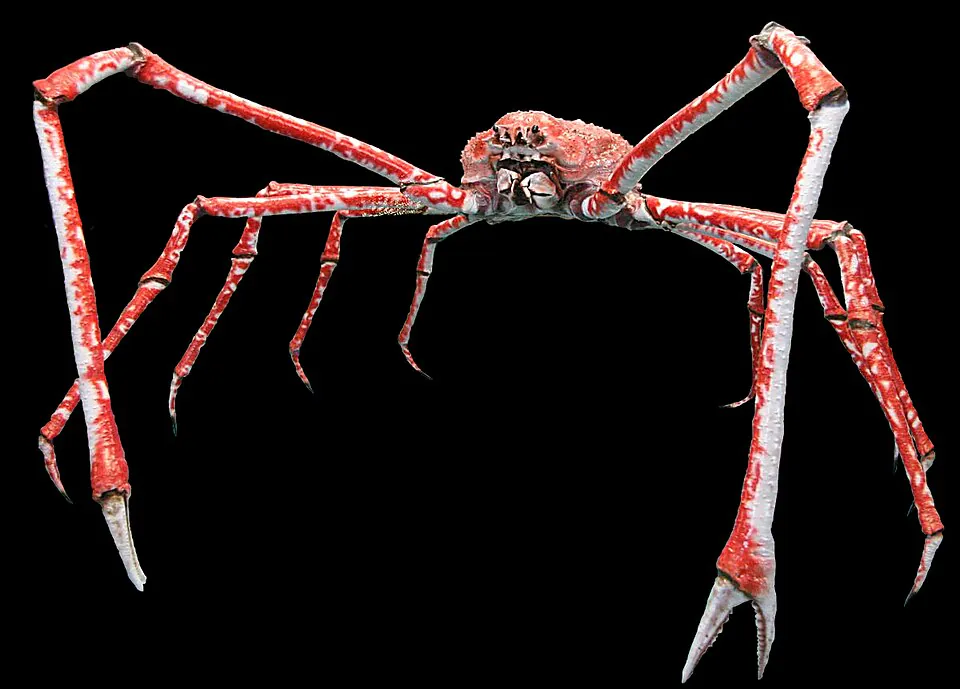
- The Japanese spider crab has the longest leg span of any arthropod. A large male measures up to 3.7 metres from claw to claw.
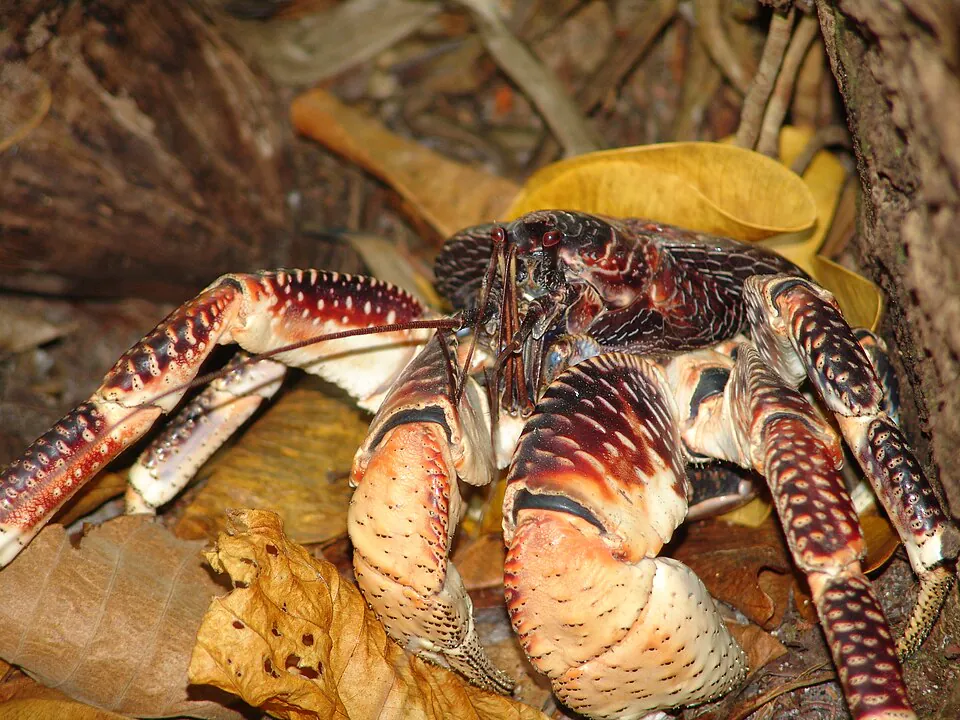
- The coconut crab is the largest land-living arthropod. It can weigh 4 kilograms, and it can open a coconut with its claws.
- Horseshoe crabs are older than the dinosaurs. Their blue blood is used to test medicines and vaccines for bacterial contamination.
- Every year tens of millions of Christmas Island red crabs walk from the forest to the sea to breed. The island closes roads for them.
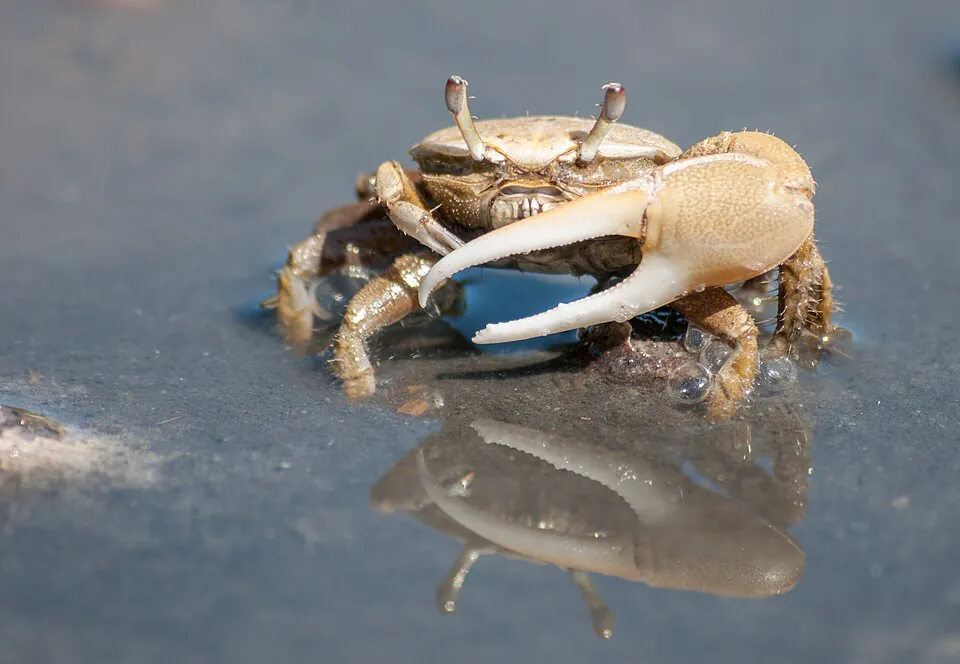
- A male fiddler crab's large claw can weigh half of its body. The crab waves the claw to attract a female and to warn other males.
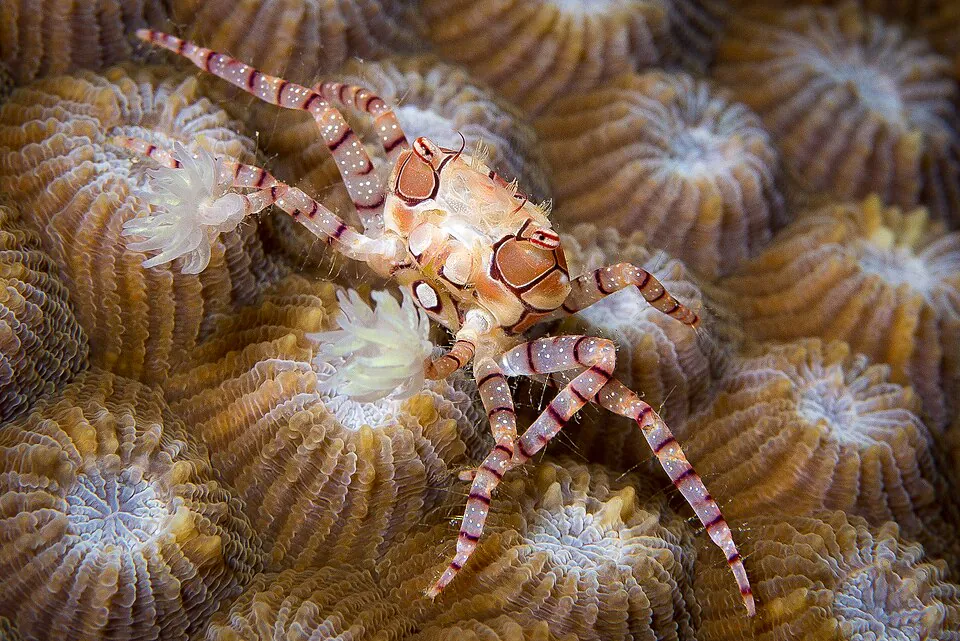
- The pom-pom crab holds a live sea anemone in each claw and waves them at attackers. If the crab loses one anemone, it tears the other in half so that it has two again.
- The yeti crab was discovered in 2005 near hot vents 2,200 metres below the Pacific. It farms bacteria on the hairs of its claws and eats them.
- The Chinese mitten crab is on the list of the world's 100 worst invasive species. It walks hundreds of kilometres up rivers, and in Shanghai it is an autumn delicacy.