The quiz uses 20 well-known dinosaurs. Many more dinosaurs exist.
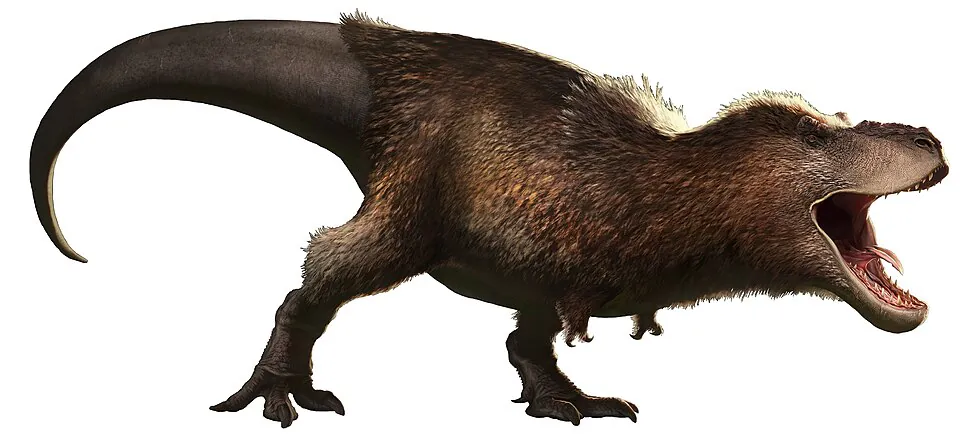
? ? ?
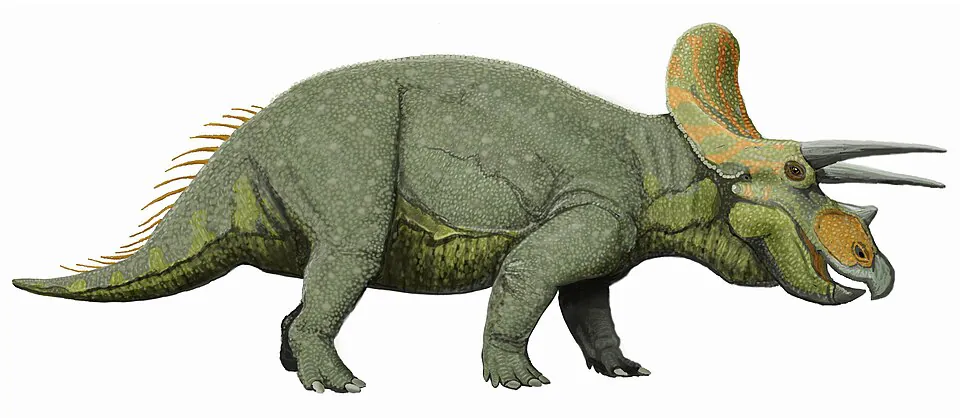
? ? ?
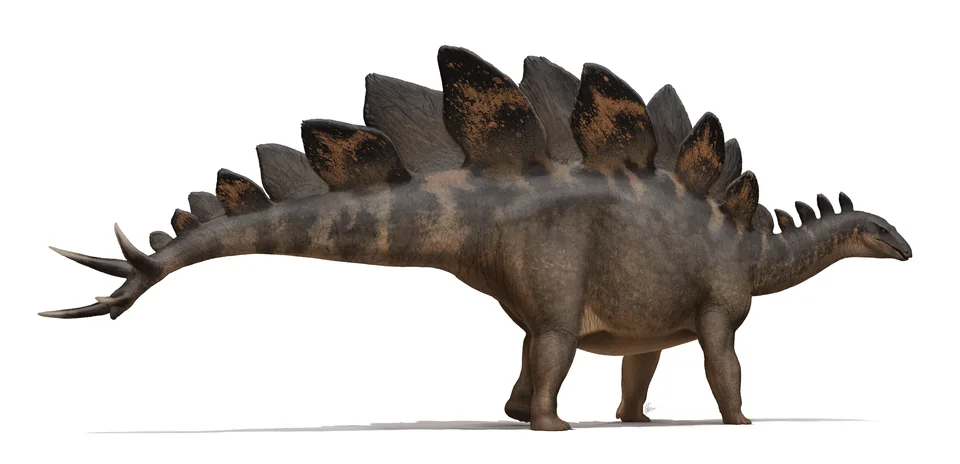
? ? ?
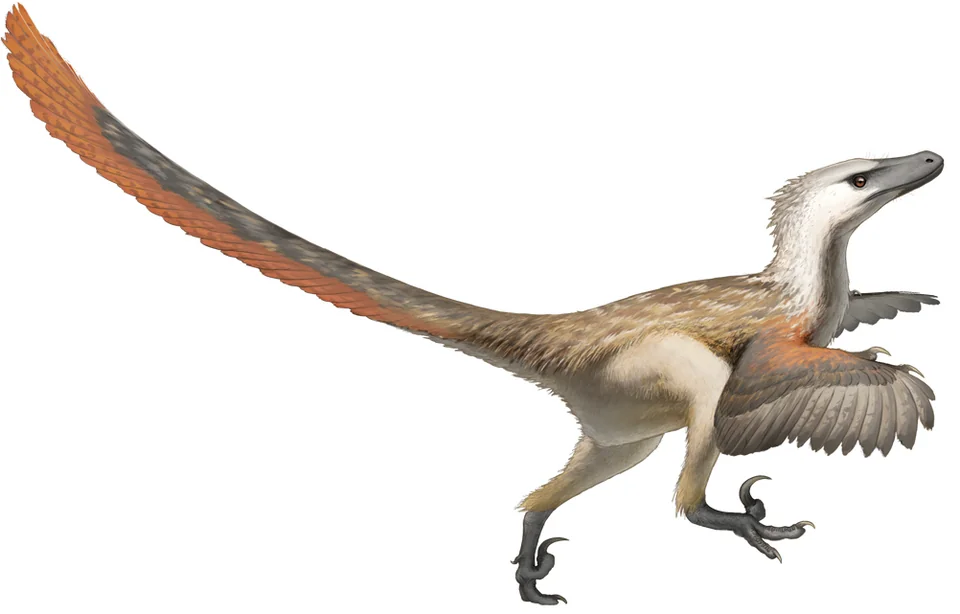
? ? ?
? ? ?
? ? ?
? ? ?
? ? ?
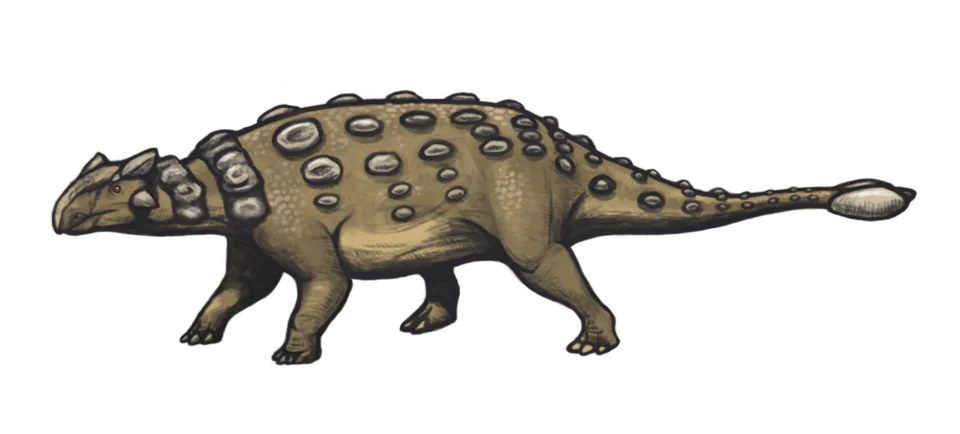
? ? ?
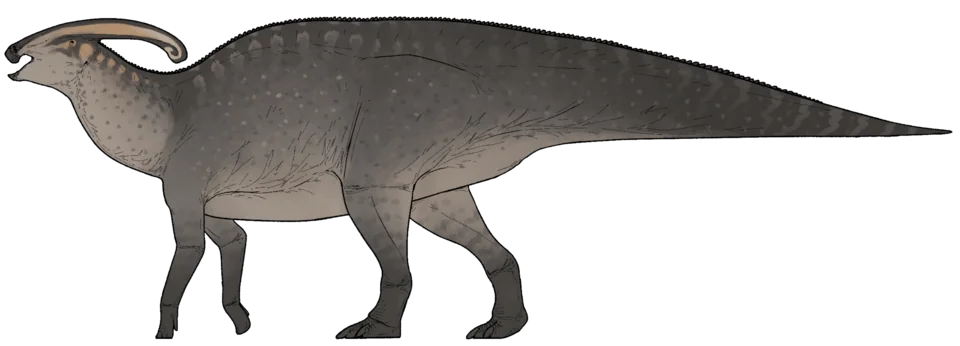
? ? ?
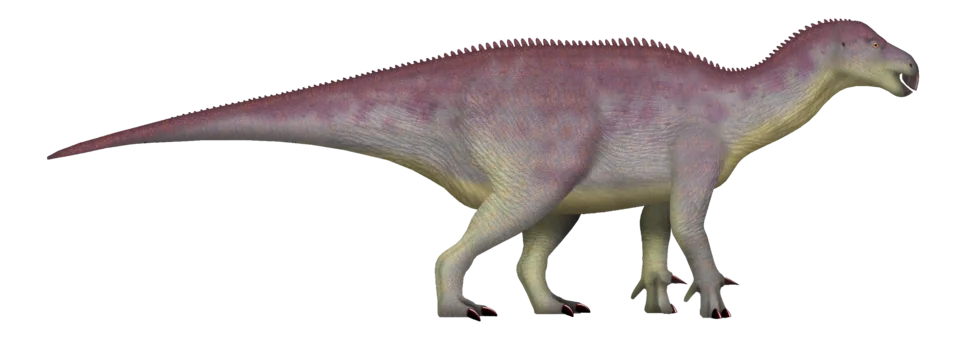
? ? ?
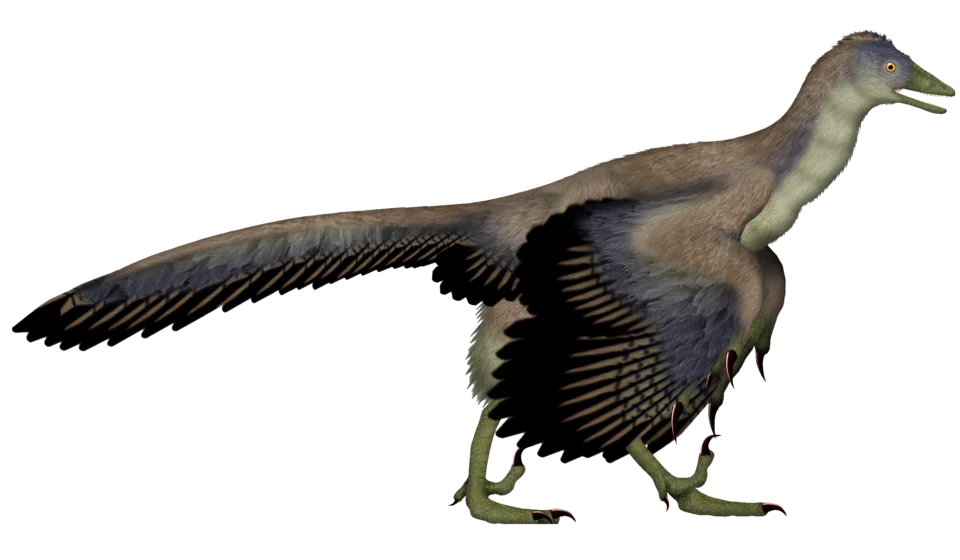
? ? ?
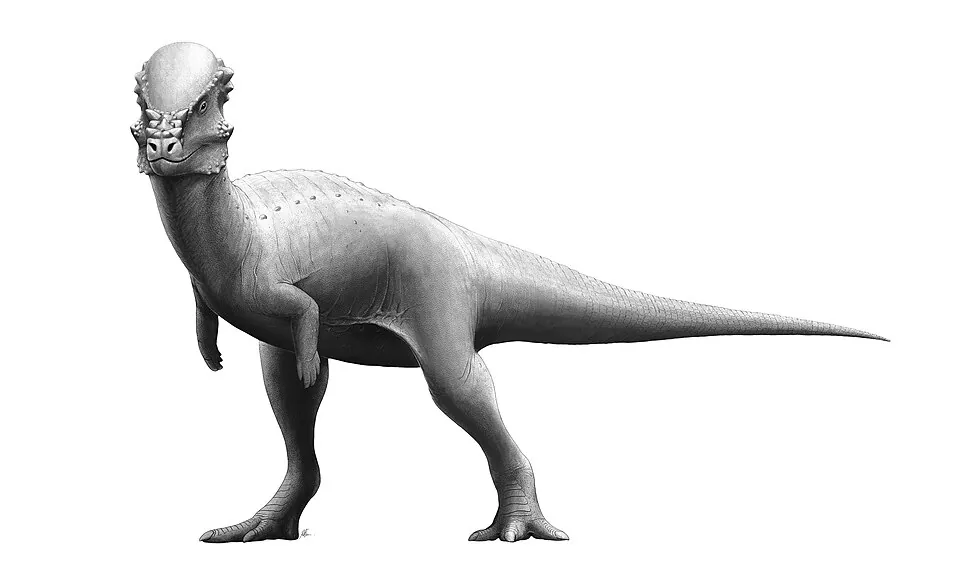
? ? ?
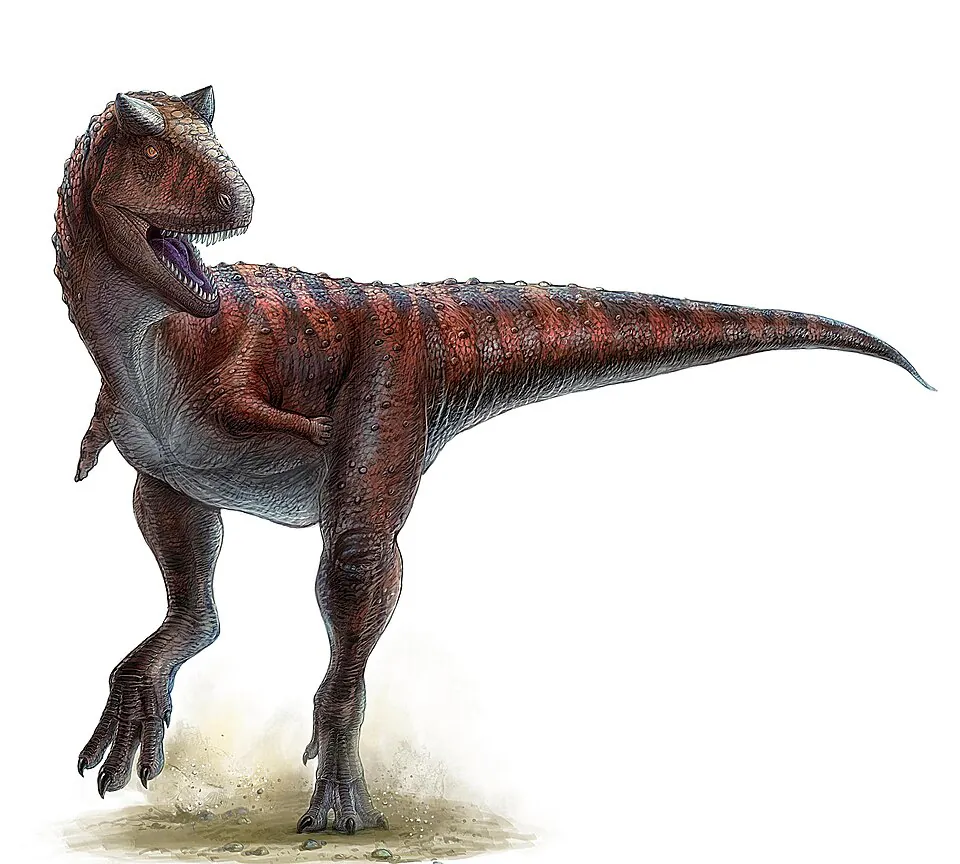
? ? ?
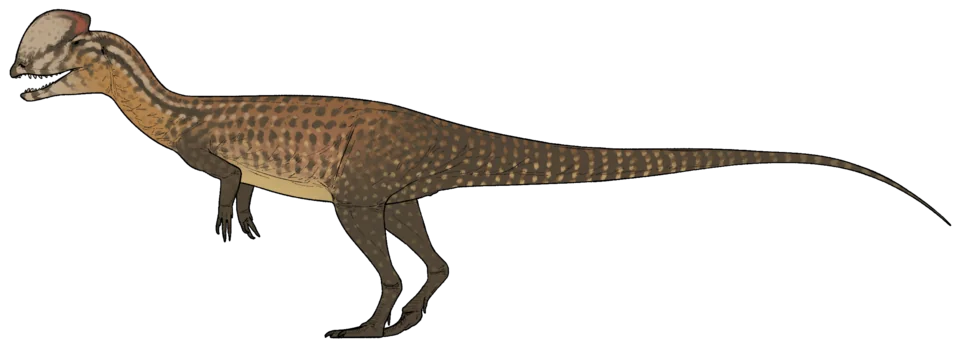
? ? ?
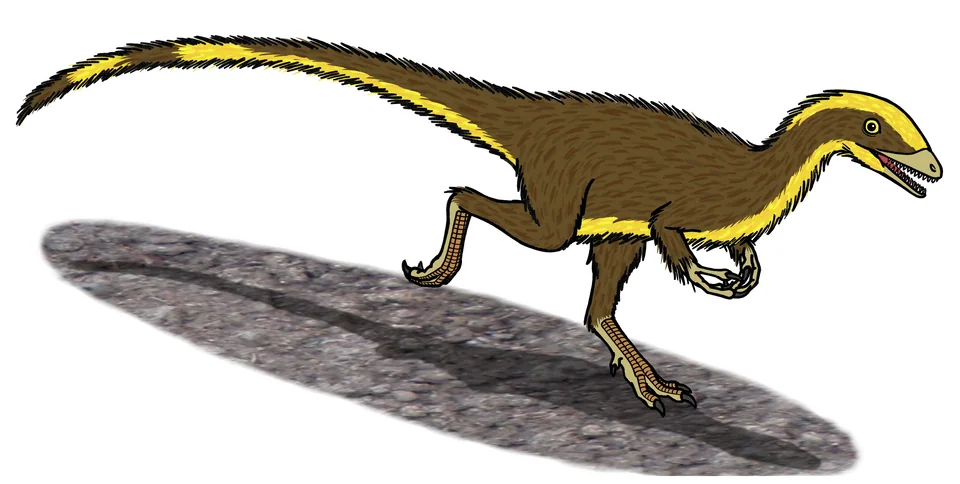
? ? ?
? ? ?
? ? ?
? ? ?
? ? ?
Photo credits
- Dinosaur artwork comes from Wikimedia Commons. The artists are:
- RJPalmerArt (Tyrannosaurus Rex) · CC BY-SA 4.0
- Fred Wierum (Stegosaurus, Velociraptor) · CC BY-SA 4.0
- Fred Wierum (Allosaurus) · CC BY-SA 3.0
- Fred Wierum (Pachycephalosaurus) · CC BY 4.0
- Connor Ashbridge (Spinosaurus, Dilophosaurus) · CC BY 4.0
- Connor Ashbridge (Parasaurolophus) · CC BY-SA 4.0
- TotalDino (Iguanodon, Archaeopteryx) · CC BY-SA 4.0
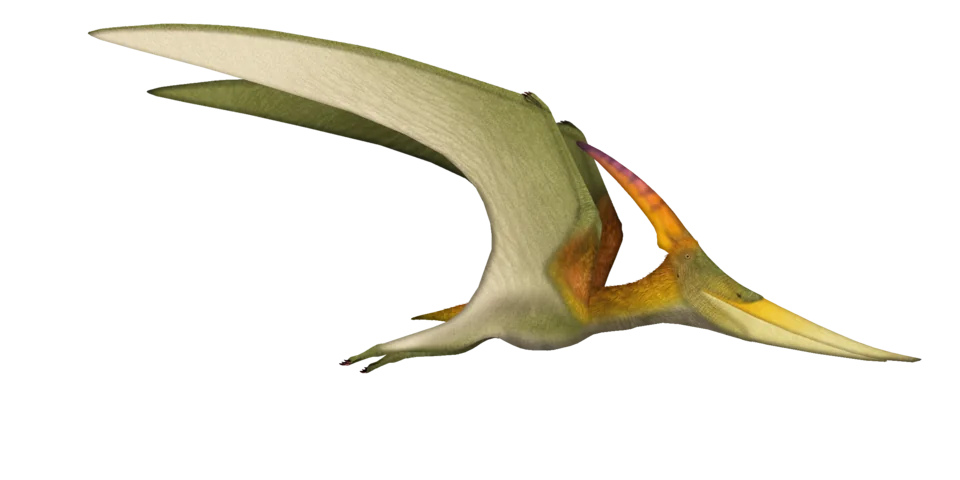
- TotalDino (Pterodactyl) · CC BY 4.0
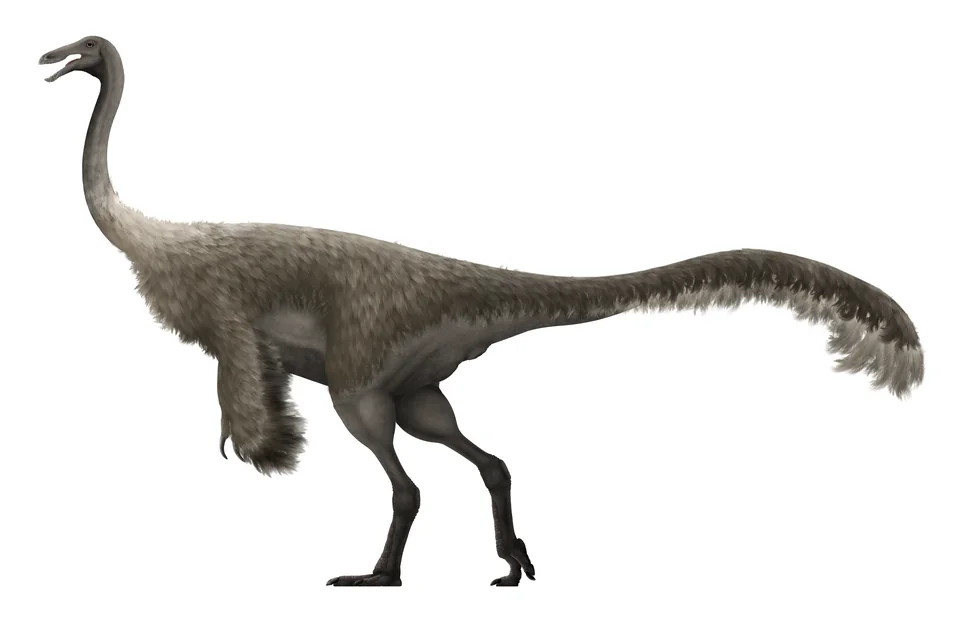
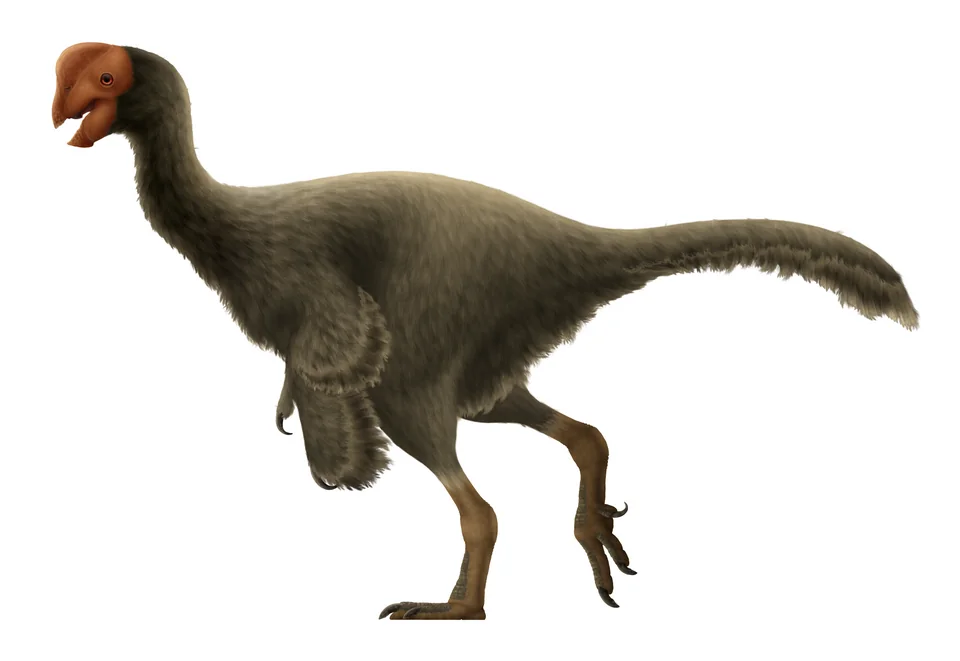
- PaleoNeolitic (Gallimimus, Oviraptor) · CC BY 4.0
- Dmitry Bogdanov (Triceratops) · CC BY 3.0
- Charles Nye (Brachiosaurus) · CC BY-SA 4.0
- Emily Willoughby (Ankylosaurus) · CC BY-SA 3.0
- Lida Xing and Yi Liu (Carnotaurus) · CC BY 2.5
- Conty (Compsognathus) · CC BY-SA 4.0
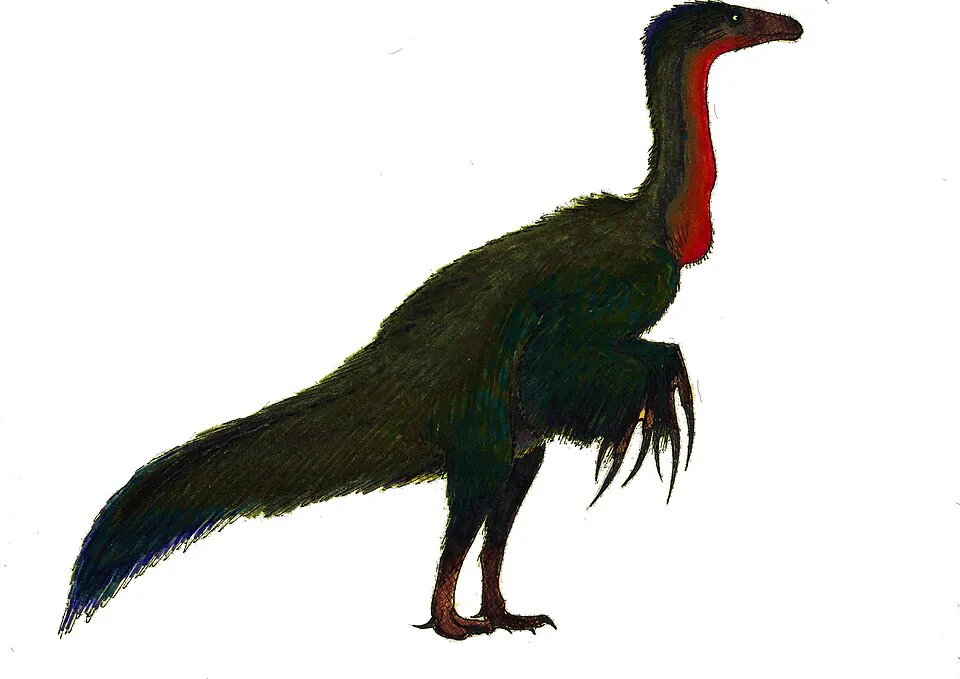
- Danny Cicchetti (Therizinosaurus) · CC BY-SA 3.0
- Tom Parker (Brontosaurus) · CC BY-SA 4.0
Rules & what counts
Name the Dinosaur Quiz — Rules & What Counts
Every child knows twenty dinosaurs. This quiz checks how many you still know. It shows 20 pieces of dinosaur artwork, and you type the name of each one.
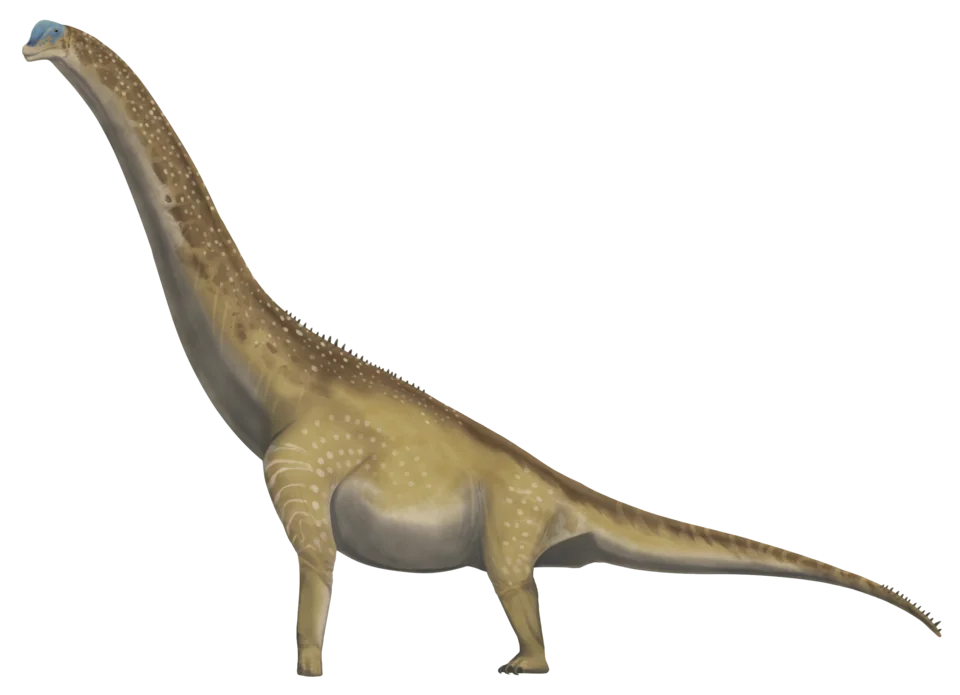
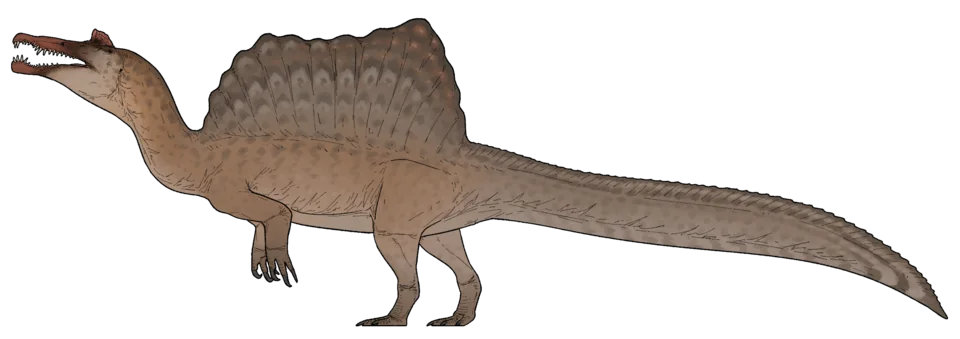
The set is the famous ones — Tyrannosaurus, Stegosaurus, Triceratops, Velociraptor — and it is pruned so that no two cards look alike. Many dinosaurs share a body plan, so each body plan appears once: one raptor, one long-necked giant, one plated back, one sail back.
The pictures give an easy start. The long Latin names are the real test — knowing the animal and spelling Parasaurolophus are two different skills, so common misspellings are accepted.
How to play
- Just start typing. The quiz checks your answer at every keystroke. There is no submit button.
- Everyday names count. "T Rex" solves Tyrannosaurus Rex, "Raptor" solves Velociraptor, and "Compy" solves Compsognathus.
- Short forms count too. "Stegosaur" solves Stegosaurus, and the same applies to the other "-saurus" names.
- Spelling is forgiving. Capitals and hyphens are ignored, and frequent misspellings such as "Iguanadon", "Archeopteryx" and "Tyranosaurus" are accepted.
- A correct name flips its card and shows the name plate and the period the dinosaur lived in.
- The timer starts at your first keystroke and counts up. Give Up ends the run and shows every dinosaur you missed. Progress saves automatically.
What counts in this quiz
- 20 well-known prehistoric animals, from Tyrannosaurus Rex to Pterodactyl.
- Pterodactyl is the one card that is not a true dinosaur. It is a pterosaur, a flying reptile that lived beside the dinosaurs. Every dinosaur fan expects it, so it has a card.
- Every picture is a life restoration — an artist's image of the living animal. No card shows a skeleton, a museum mount or a park model.
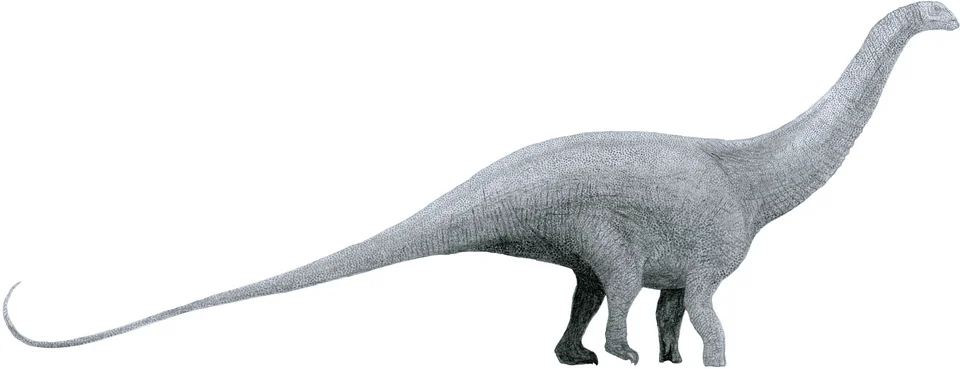
- "Apatosaurus" is accepted for the Brontosaurus card. The two names have pointed at the same kind of animal for over a century.
- Every image is a freely licensed Wikimedia Commons artwork. The artists are credited under the grid.
What's not included — and why
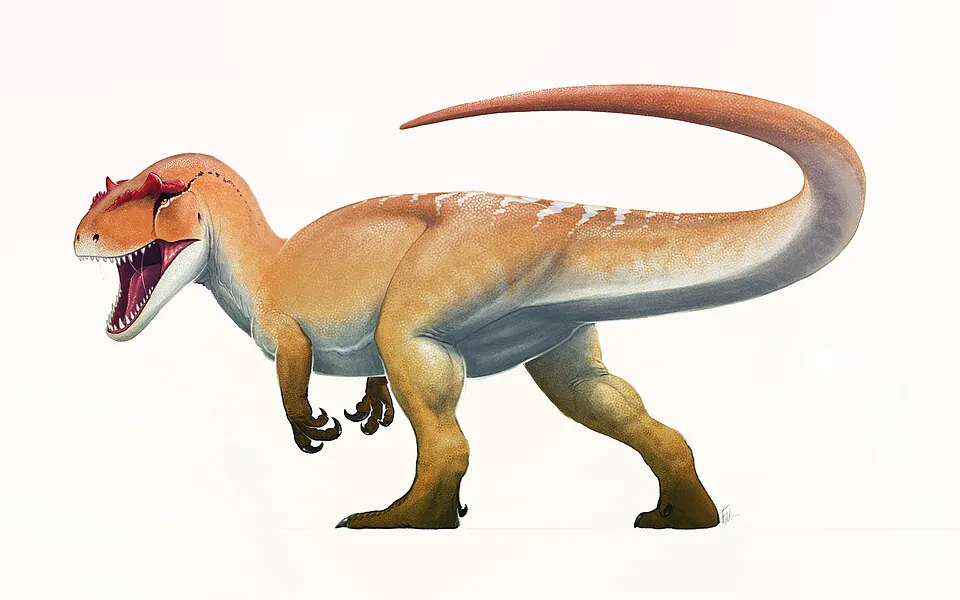
- Lookalikes are left out on purpose, so every card has one clear answer. Deinonychus and Utahraptor would read as Velociraptor, Diplodocus as Brontosaurus, Styracosaurus as Triceratops, Kentrosaurus as Stegosaurus, Baryonyx as Spinosaurus, and Giganotosaurus as a T. rex.
- Swimming reptiles are not dinosaurs. Mosasaurus and Plesiosaurus have no card.
- Dimetrodon is not a dinosaur either — it lived before the dinosaurs and is closer to mammals.
Good to know
- The real Velociraptor was the size of a turkey and covered in feathers. The tall movie "raptors" are modelled on Deinonychus.
- Brontosaurus was declared invalid in 1903 and folded into Apatosaurus — then resurrected as its own genus by a 2015 study, 112 years later.
- Tyrannosaurus Rex lived closer in time to you than to Stegosaurus: about 66 million years separate you from T. rex, but about 84 million years separate T. rex from Stegosaurus.
- Therizinosaurus had the longest claws of any known animal — up to half a metre — and used them to pull down branches. It ate plants.
- Oviraptor means "egg thief", but the fossil that named it was a parent brooding its own nest.
- The real Dilophosaurus had no neck frill and spat no venom — both were invented for Jurassic Park. It was also six metres long, far bigger than the movie version.
- Archaeopteryx, the oldest bird-like card in the quiz, was about the size of a raven.
- Pteranodon — the animal most people call a pterodactyl — had no teeth. The name means "wing without tooth".