The quiz uses 30 herbs. Many more herbs exist.
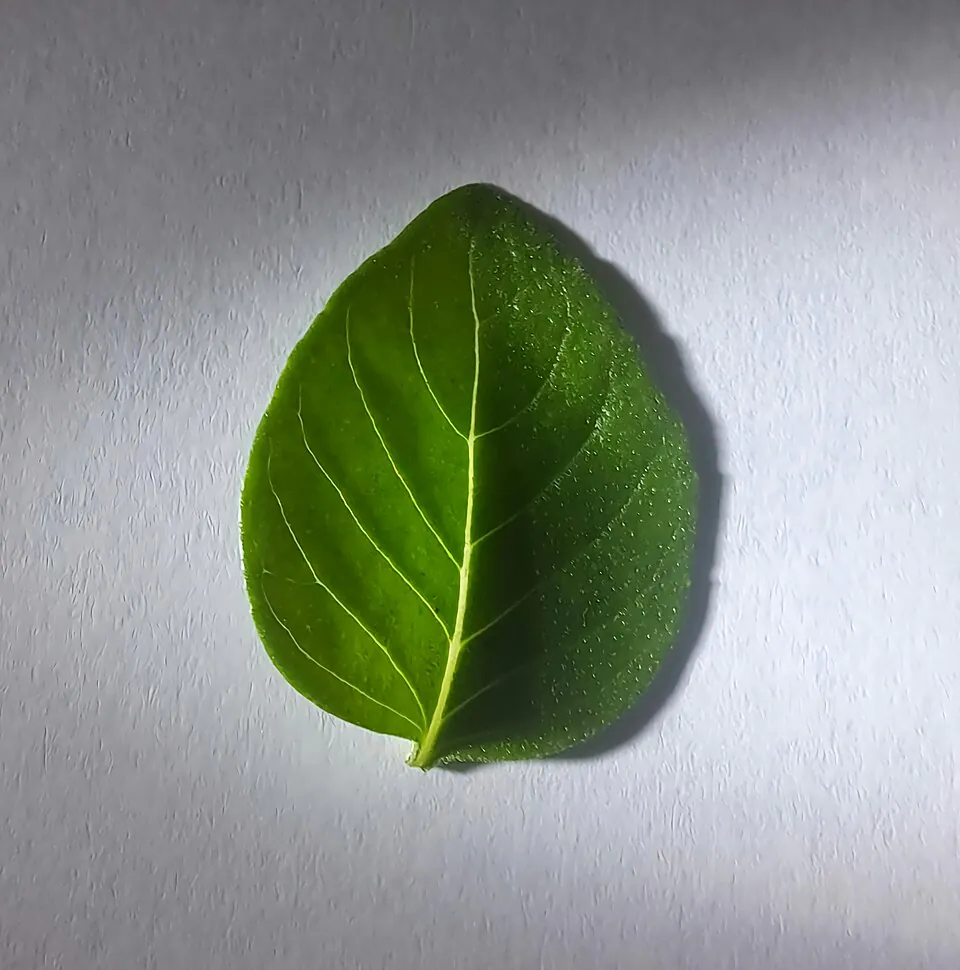
? ? ?
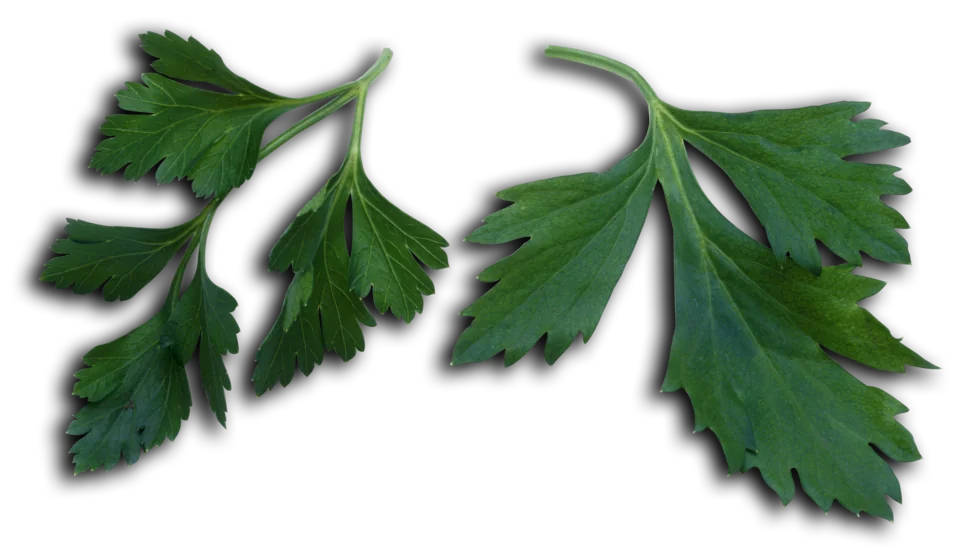
? ? ?
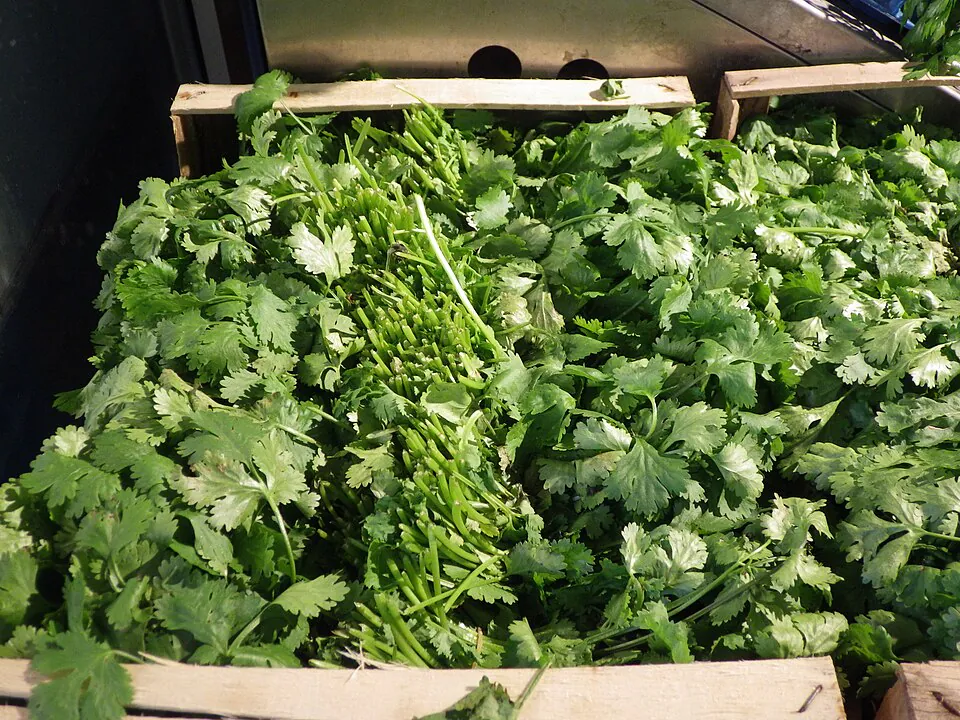
? ? ?
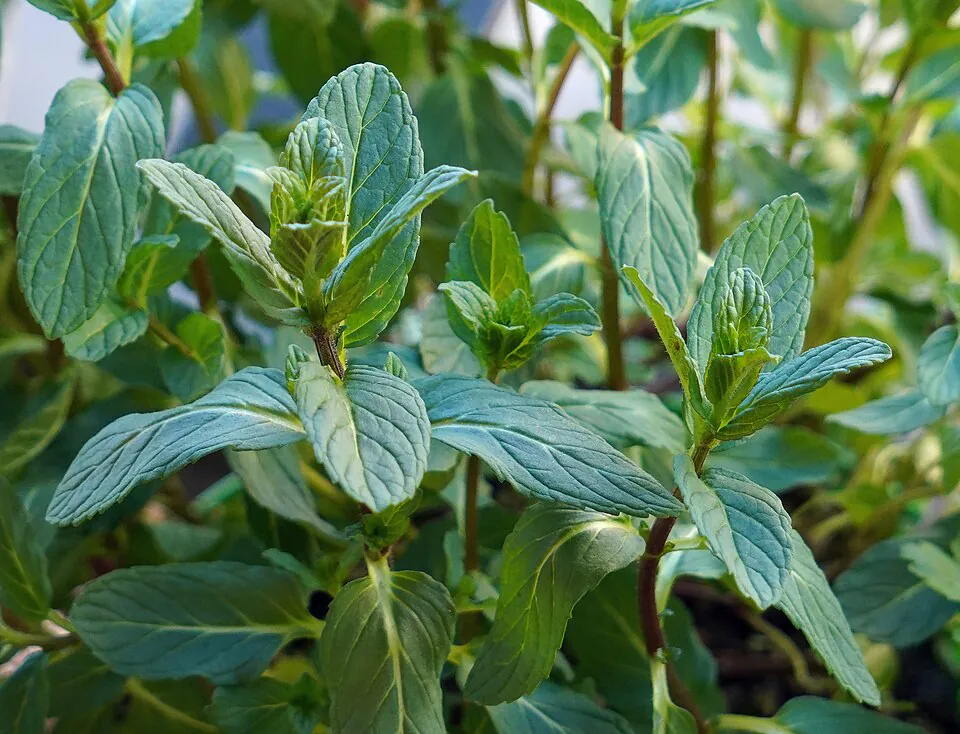
? ? ?
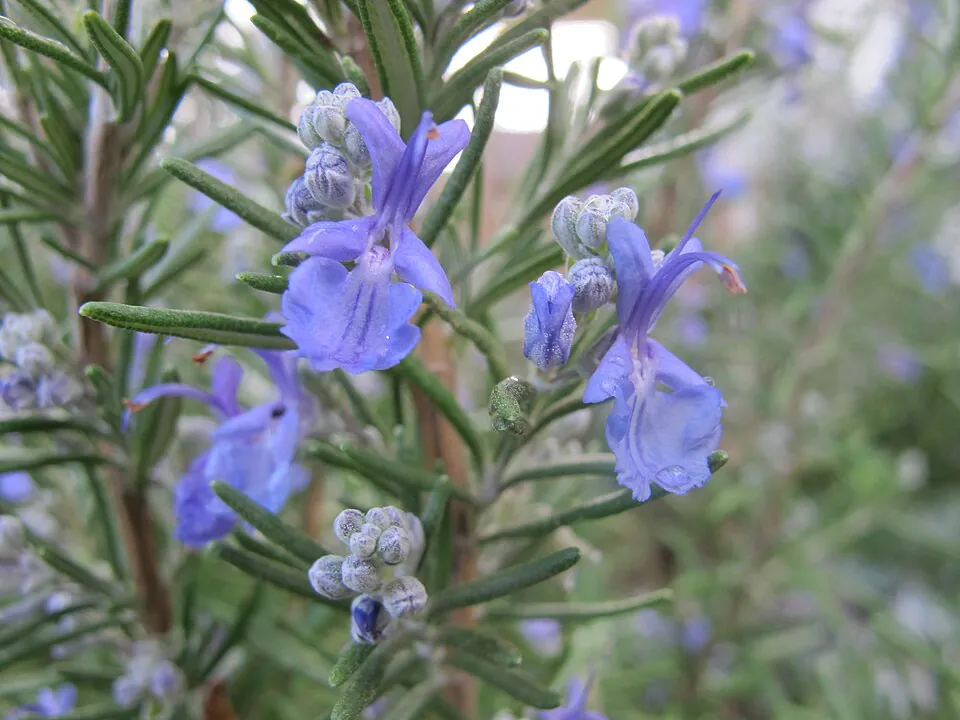
? ? ?
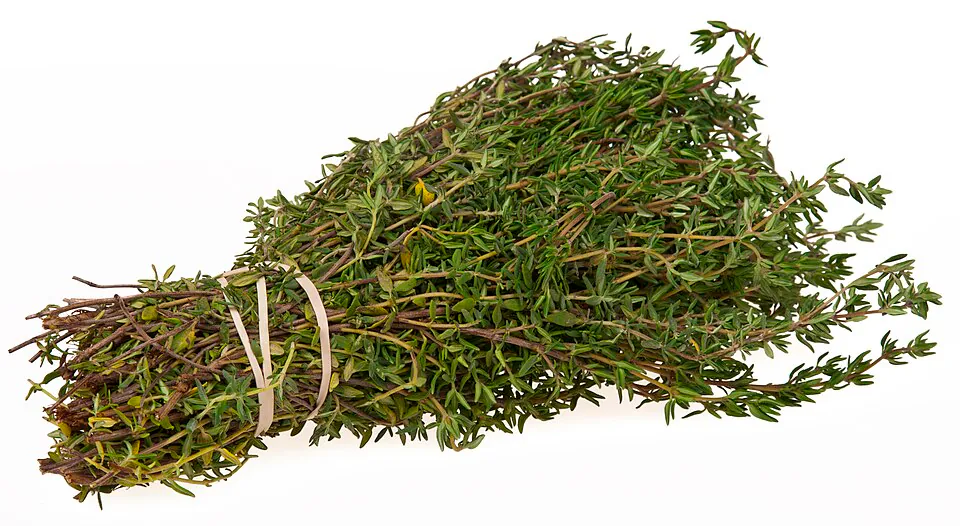
? ? ?
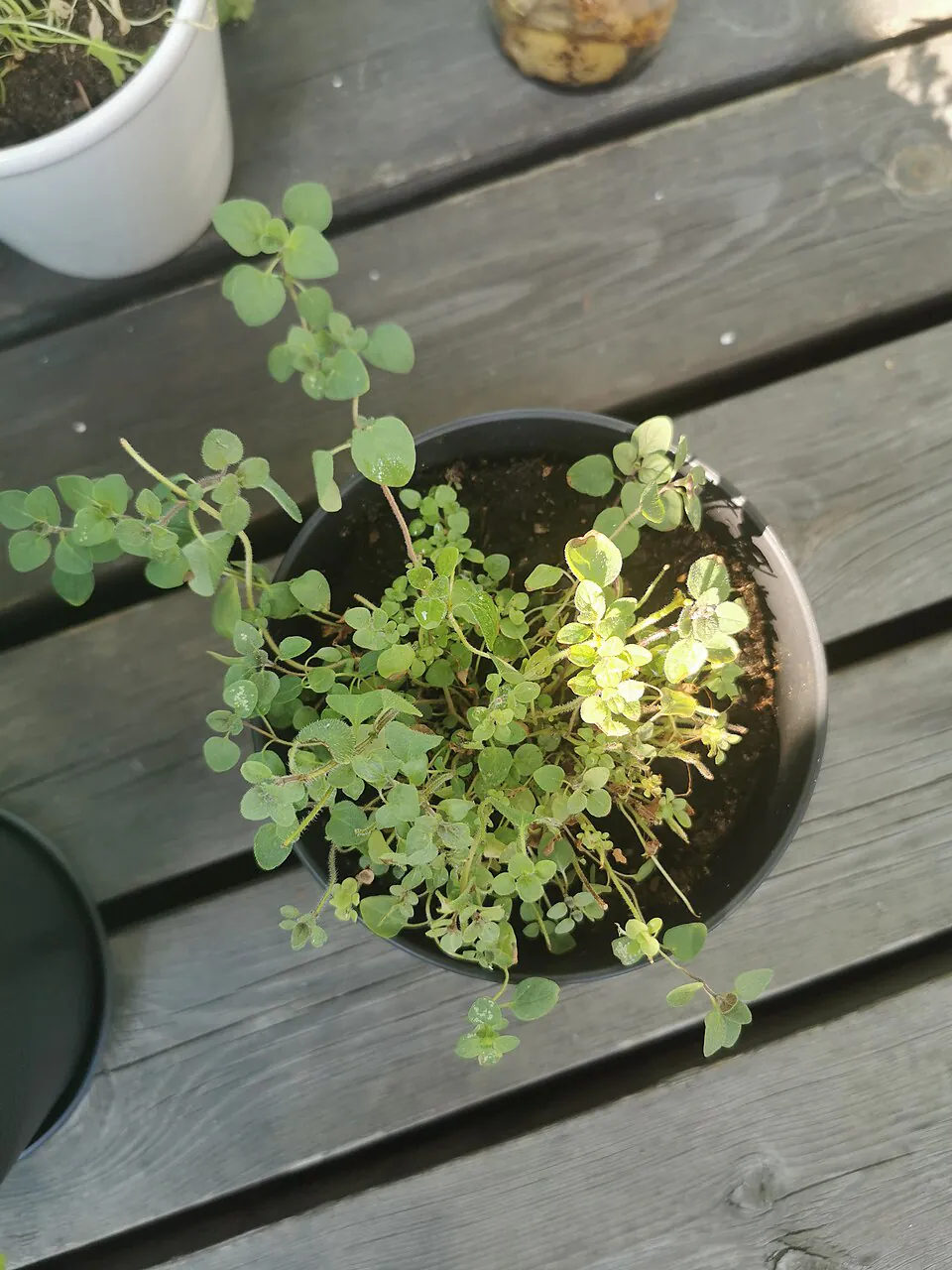
? ? ?
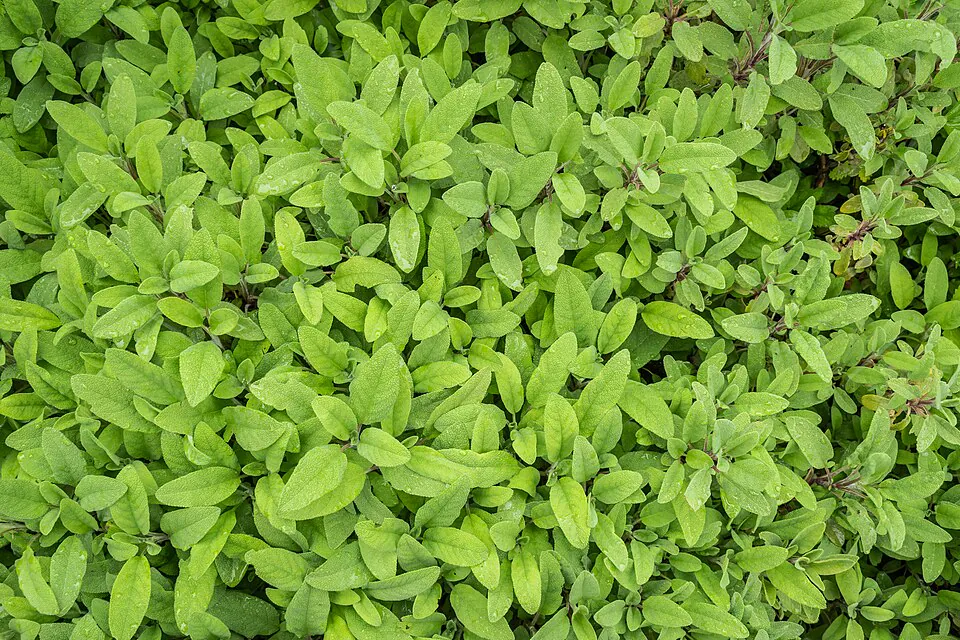
? ? ?
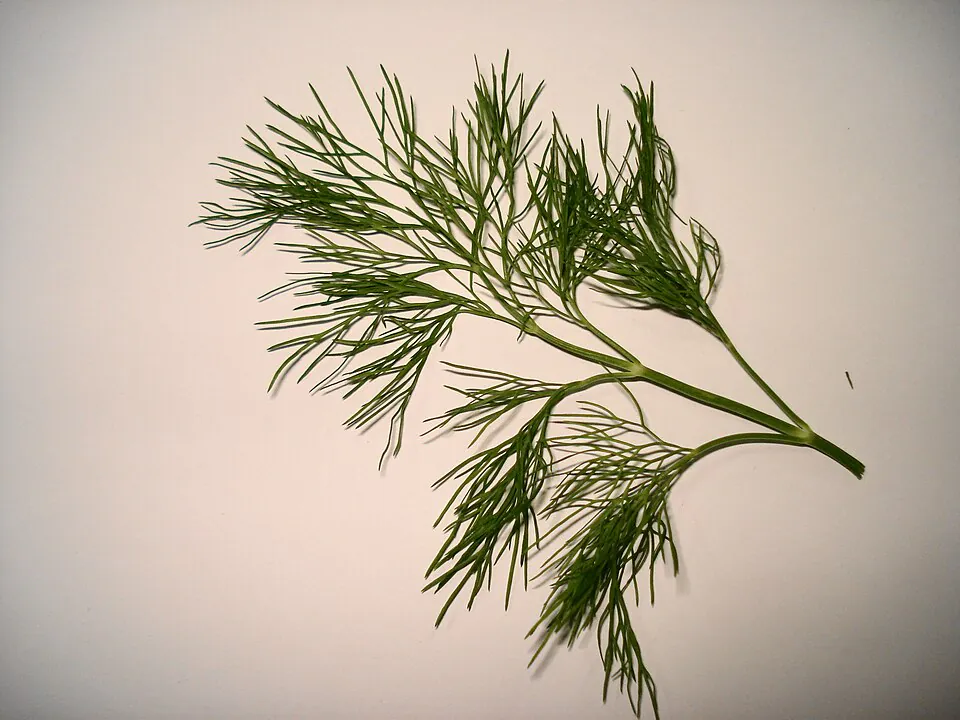
? ? ?
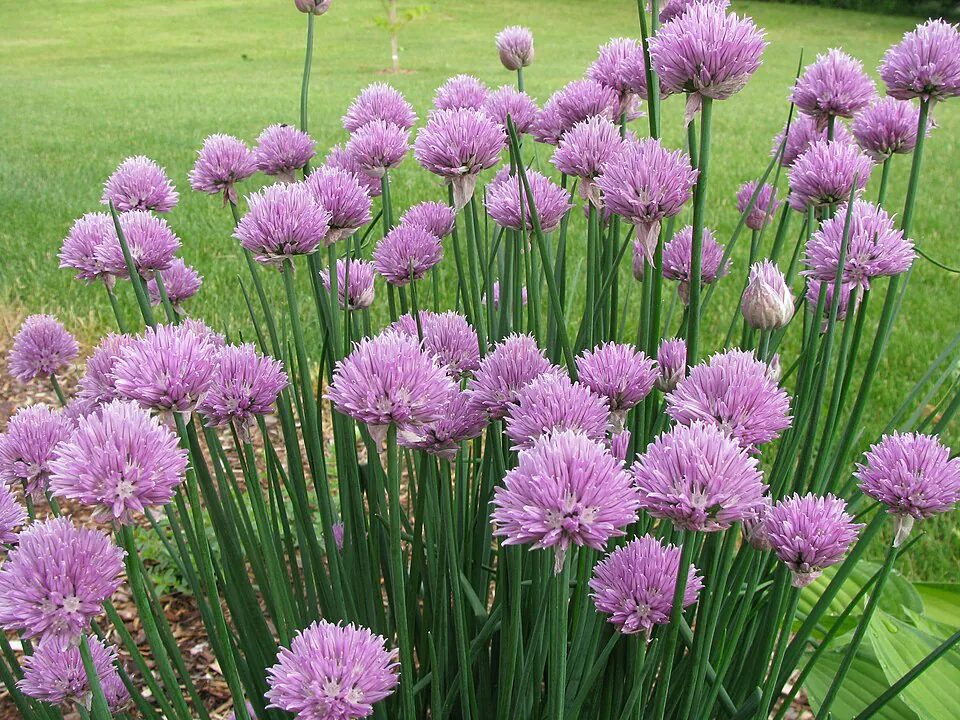
? ? ?
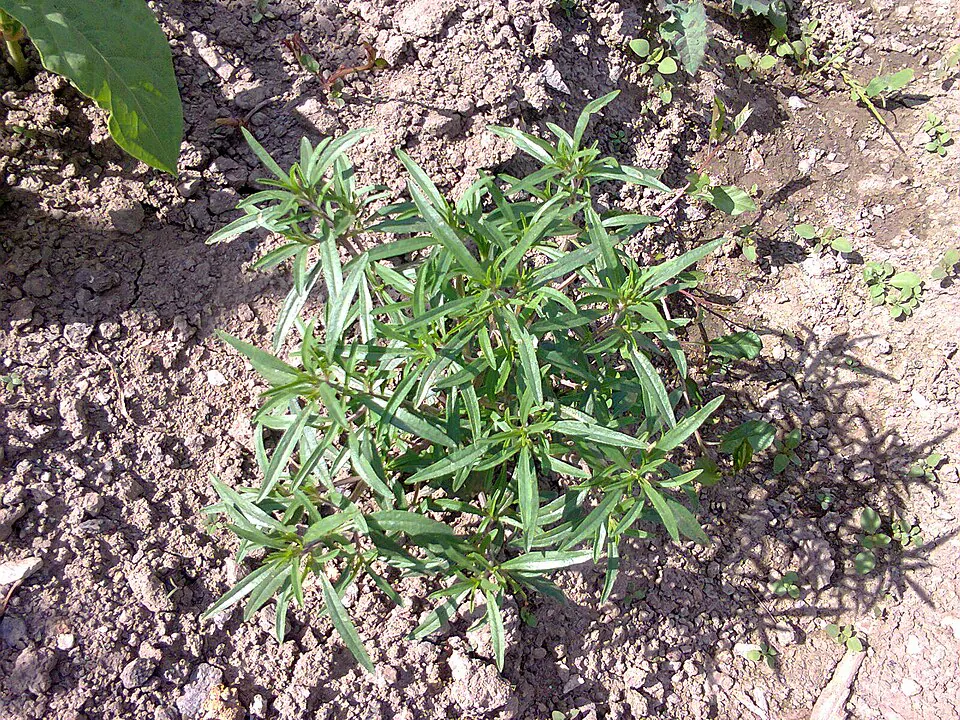
? ? ?
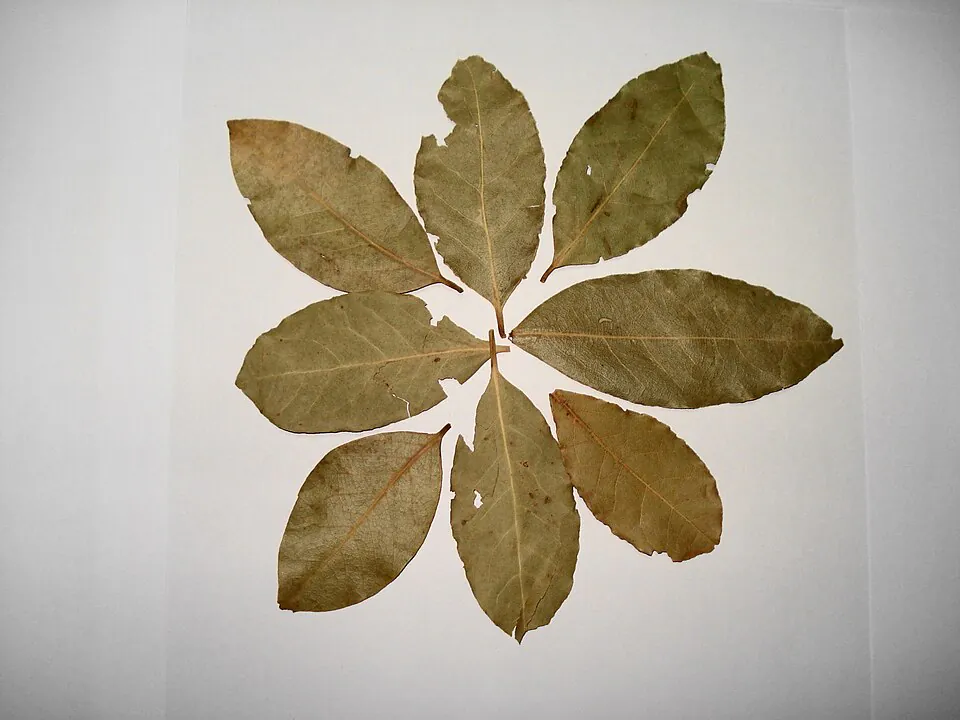
? ? ?
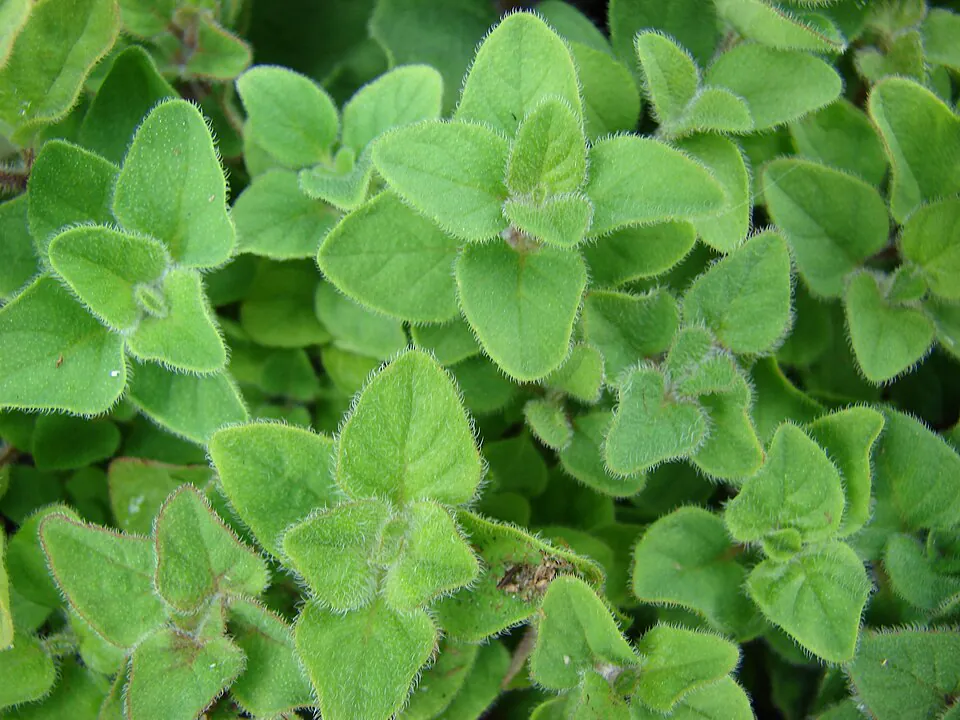
? ? ?
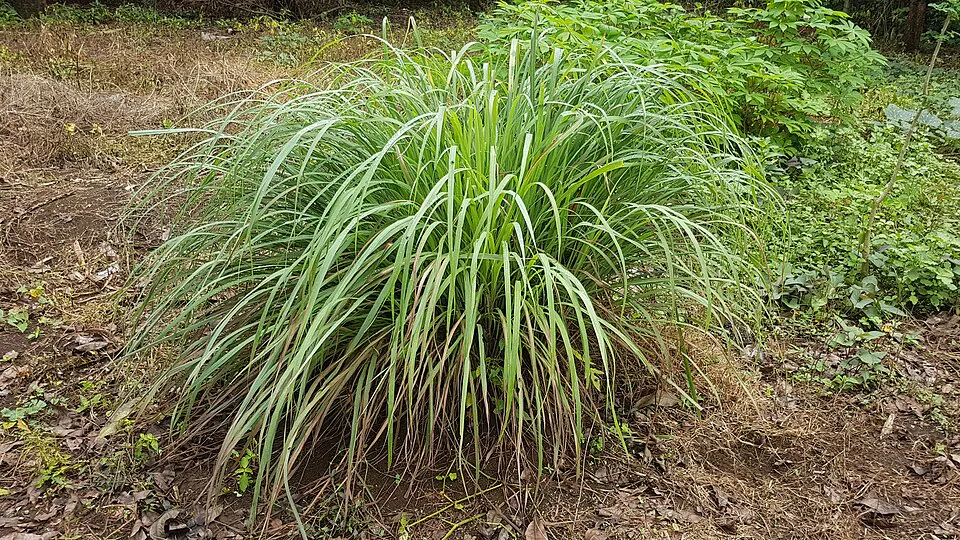
? ? ?
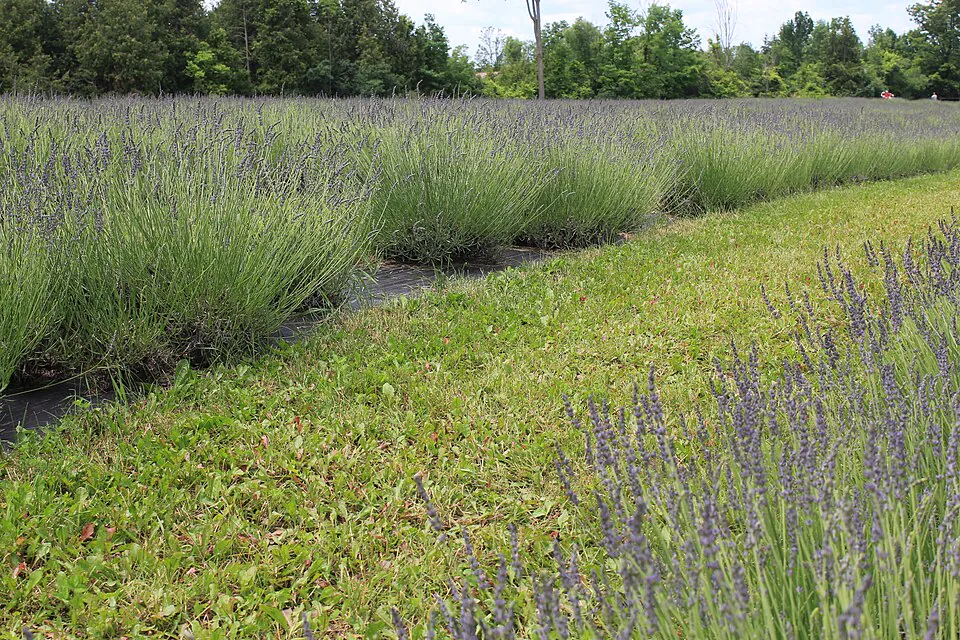
? ? ?
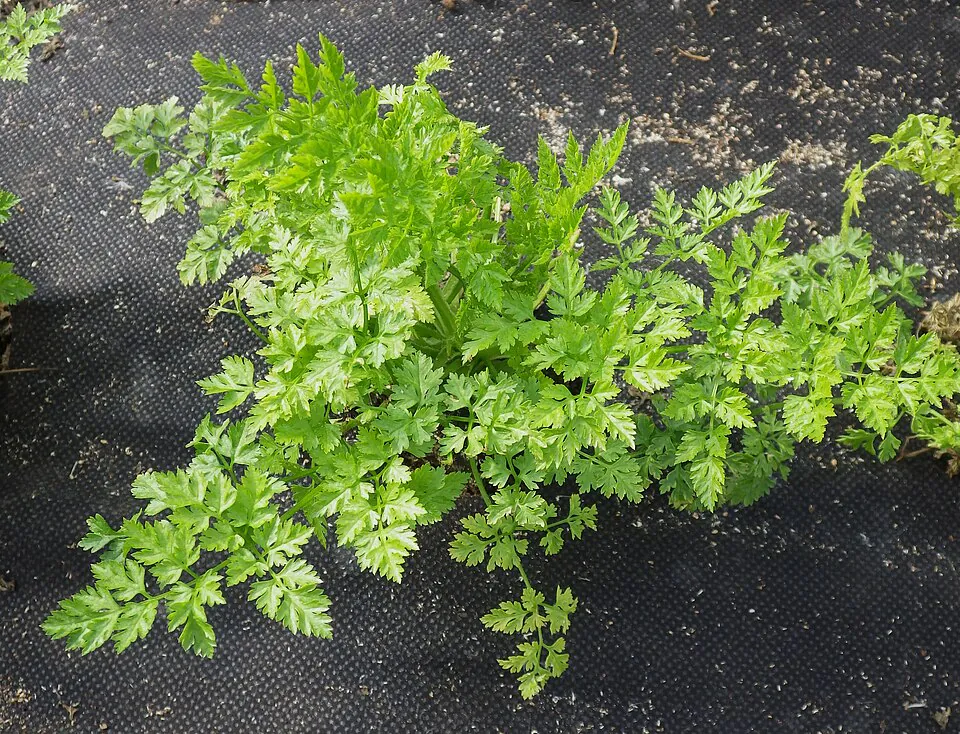
? ? ?
? ? ?
? ? ?
? ? ?
? ? ?
? ? ?
? ? ?
? ? ?
? ? ?
? ? ?
? ? ?
? ? ?
? ? ?
? ? ?
? ? ?
Photo credits
- Herb photos come from Wikimedia Commons. The photographers are:
- Schlaghecken Josef (Chervil, Coriander) · CC BY-SA 4.0
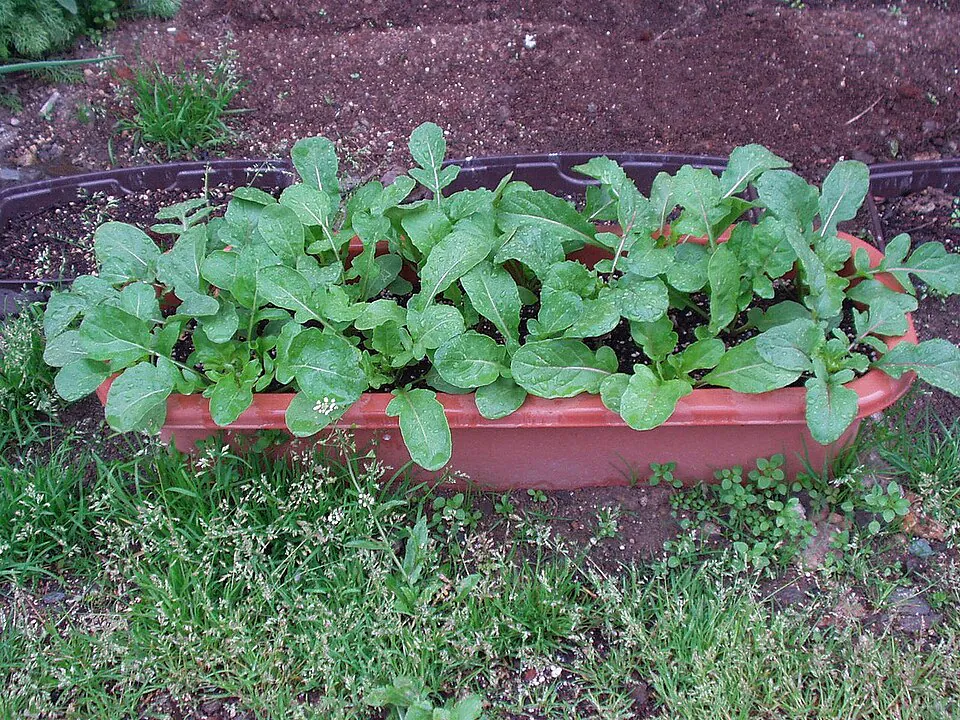
- aomorikuma (Rocket) · CC BY-SA 3.0
- BernaBotto (Basil) · CC BY-SA 4.0
- Bogdan (Savory) · CC BY-SA 3.0
- Captain-tucker (Chives) · CC BY-SA 3.0
- Commonists (Mint) · CC BY-SA 4.0
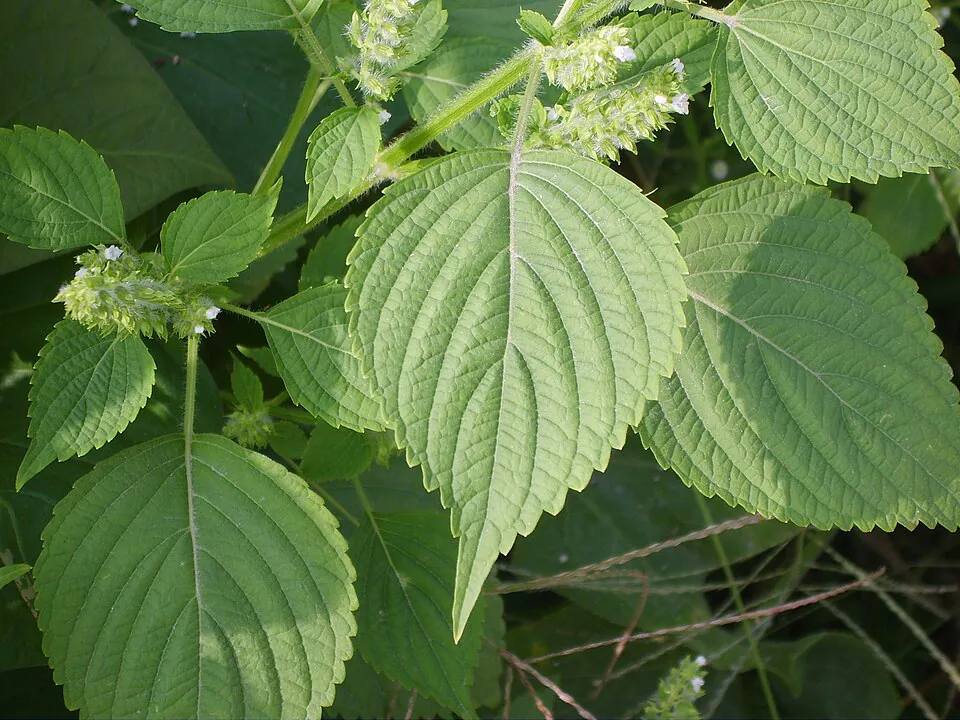
- Dalgial (Shiso) · CC BY-SA 3.0
- DenesFeri (Tarragon) · CC BY-SA 4.0
- Eugene Zelenko (Fennel) · CC BY-SA 4.0
- Forest & Kim Starr (Marjoram) · CC BY 3.0
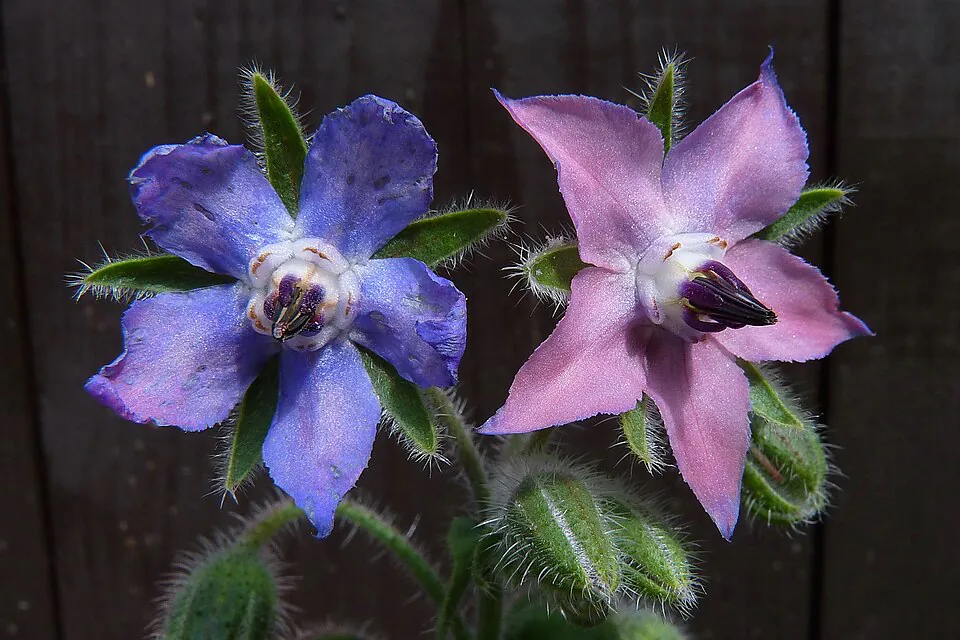
- Hans Bernhard (Schnobby) (Borage) · CC BY-SA 3.0
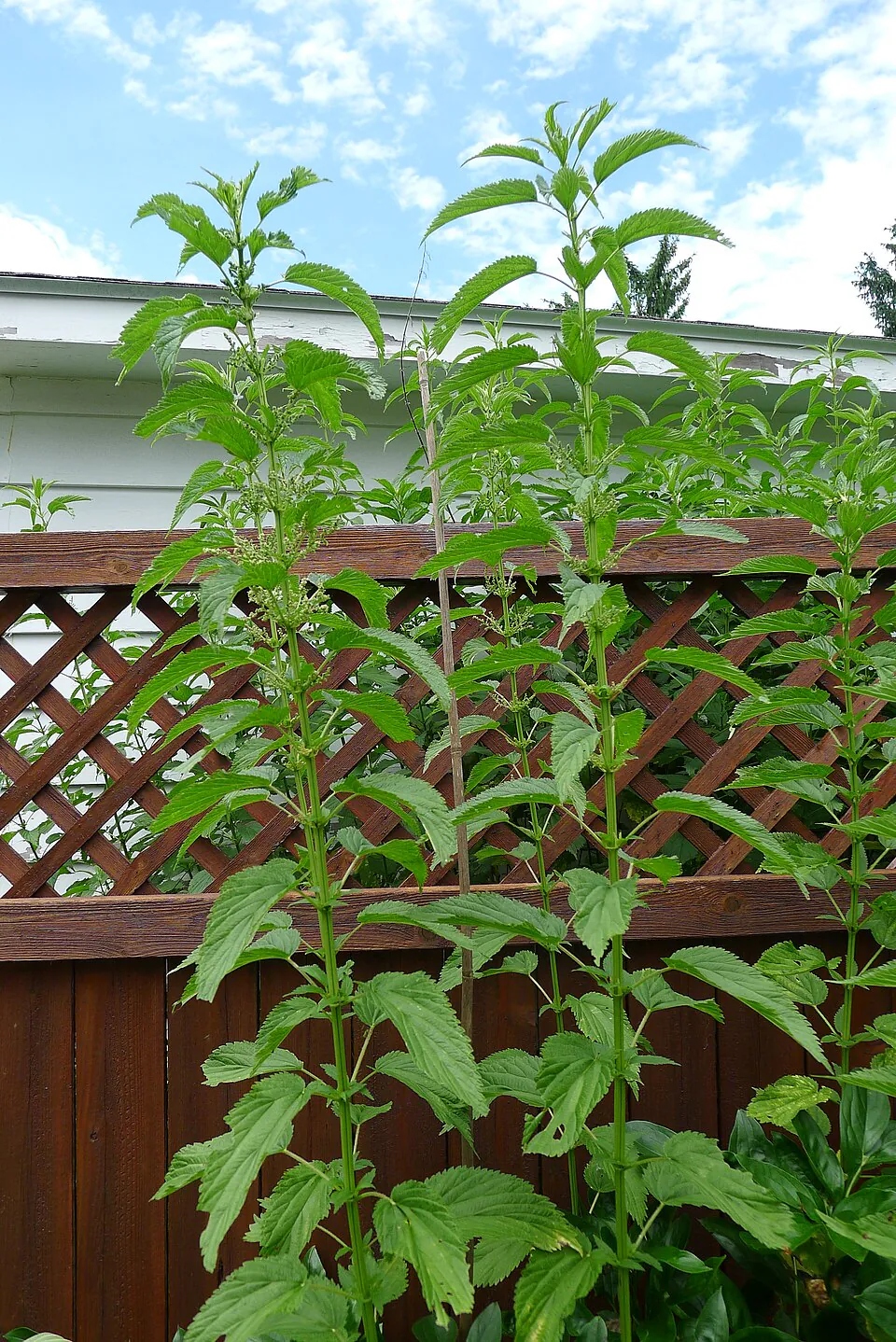
- James Steakley (Stinging Nettle) · CC BY-SA 3.0
- JLPC (Lemon Balm) · CC BY-SA 3.0
- Krzysztof Golik (Sage) · CC BY-SA 4.0
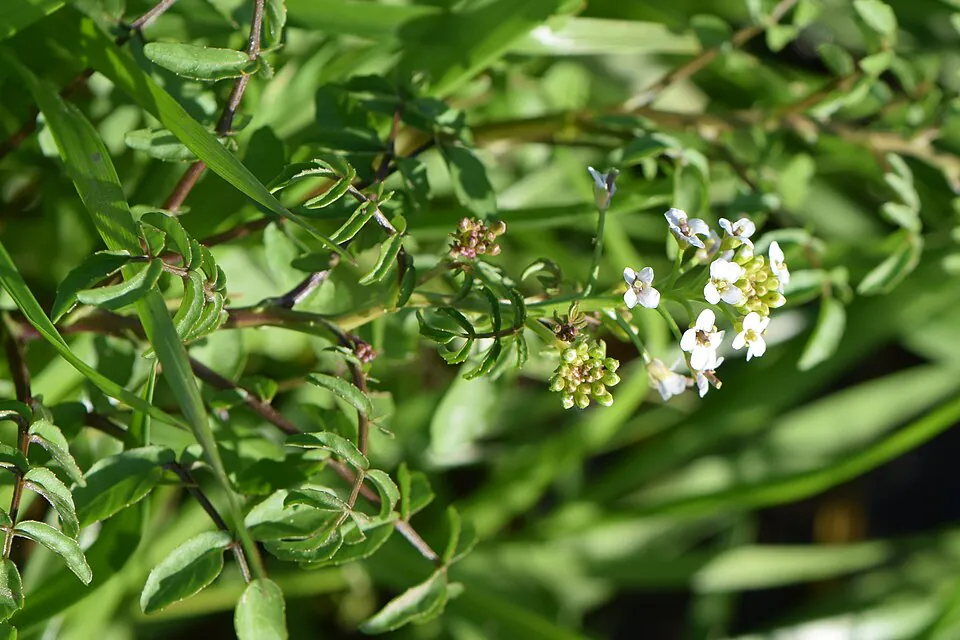
- Krzysztof Ziarnek, Kenraiz (Watercress) · CC BY-SA 4.0
- Laslovarga (Lavender) · CC BY-SA 4.0
- Margalob (Rosemary) · CC BY-SA 4.0
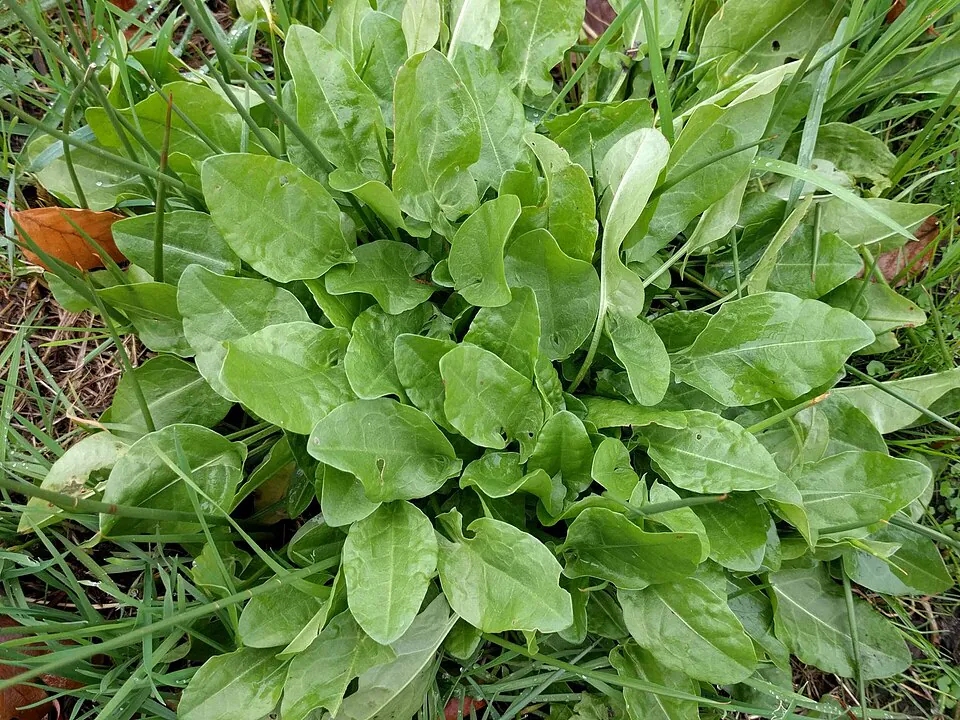
- Michel Langeveld (Sorrel) · CC BY-SA 4.0
- Netha Hussain (Oregano) · CC BY-SA 4.0
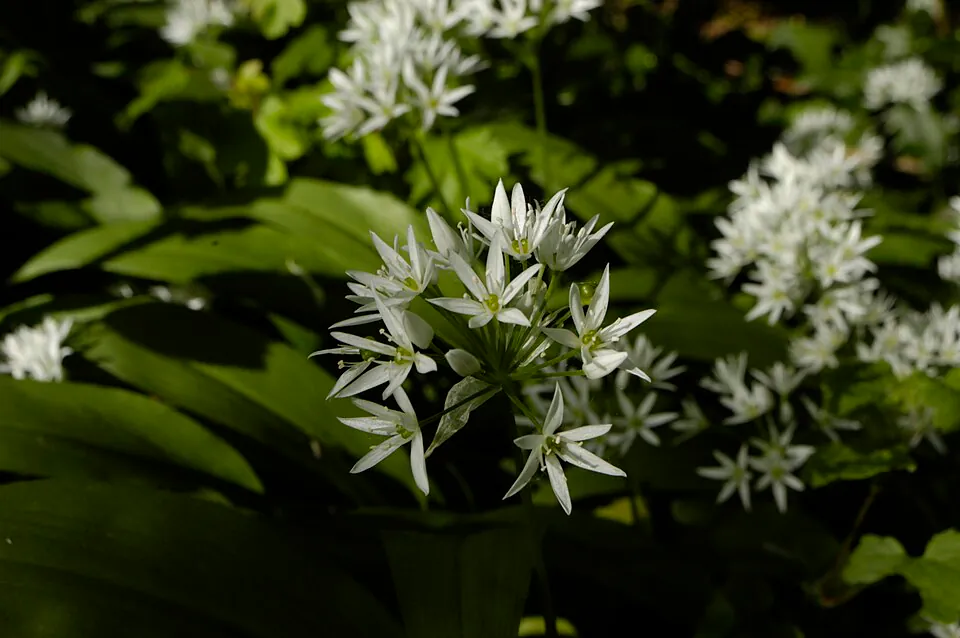
- Rodolph (Wild Garlic) · CC BY-SA 3.0
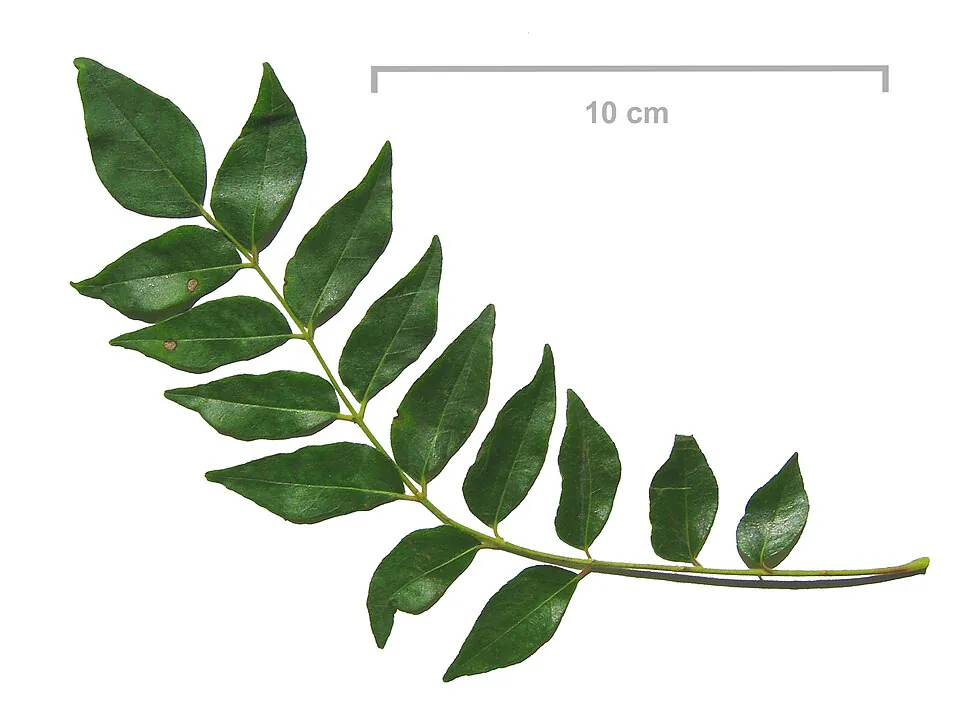
- Sonja Pauen - Stanhopea (Curry Leaf) · CC BY 2.0 de
- Sven.petersen (Thai Basil) · CC BY-SA 4.0
- These photos are in the public domain: Parsley, Thyme, Dill, Bay Leaf, Lemongrass, Lovage, Chamomile.
Rules & what counts
Name the Herb Quiz — Rules & What Counts
A herb looks obvious on the shelf, with a printed label on the bag. This quiz takes the label away. It shows 30 photos of the plant, and you type the name of each herb.
The first eight cards are the herbs in every supermarket: basil, parsley, coriander, mint, rosemary, thyme, oregano and sage. After that the quiz moves into the herb bed, and the leaves start to look alike.
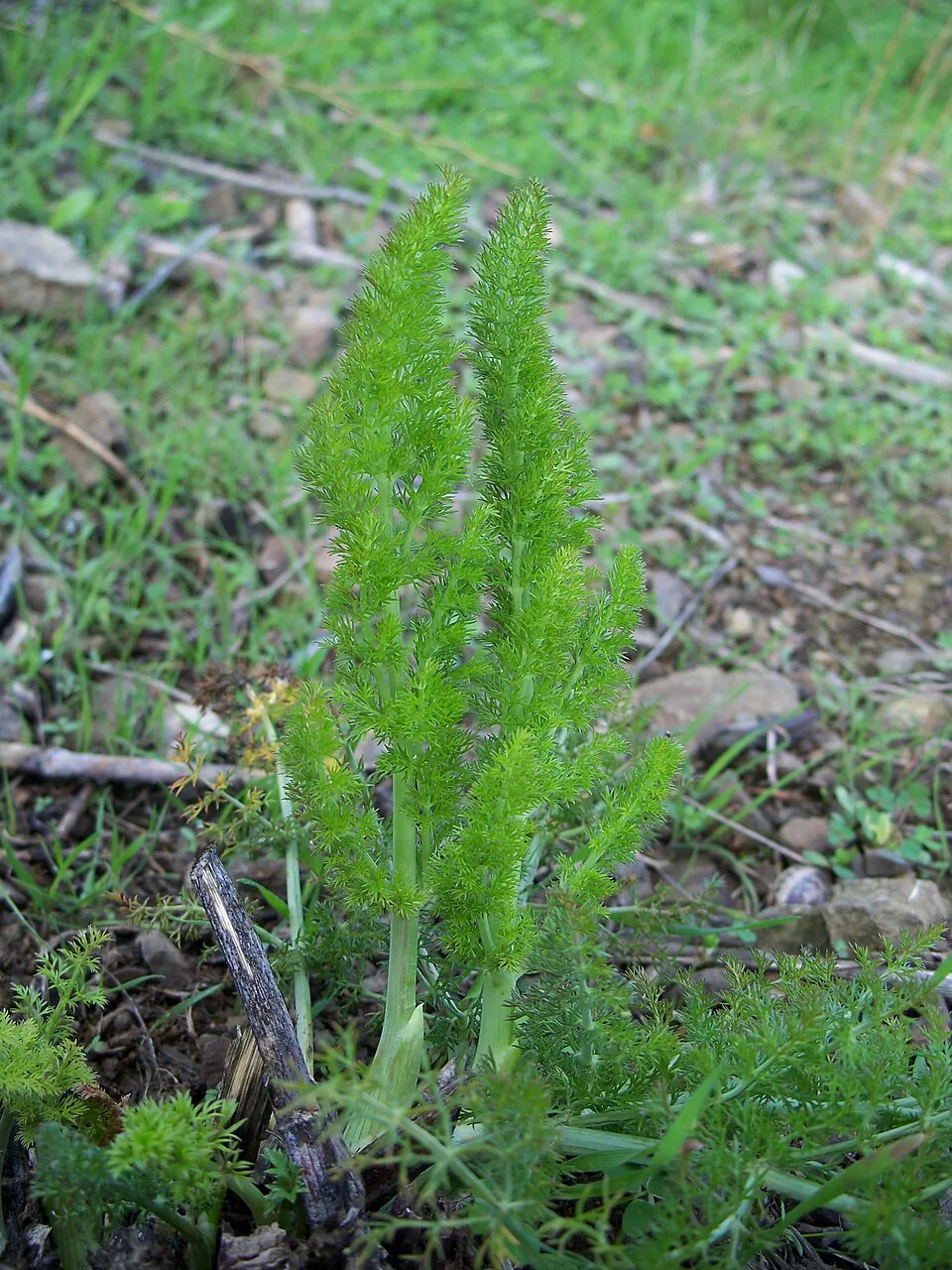
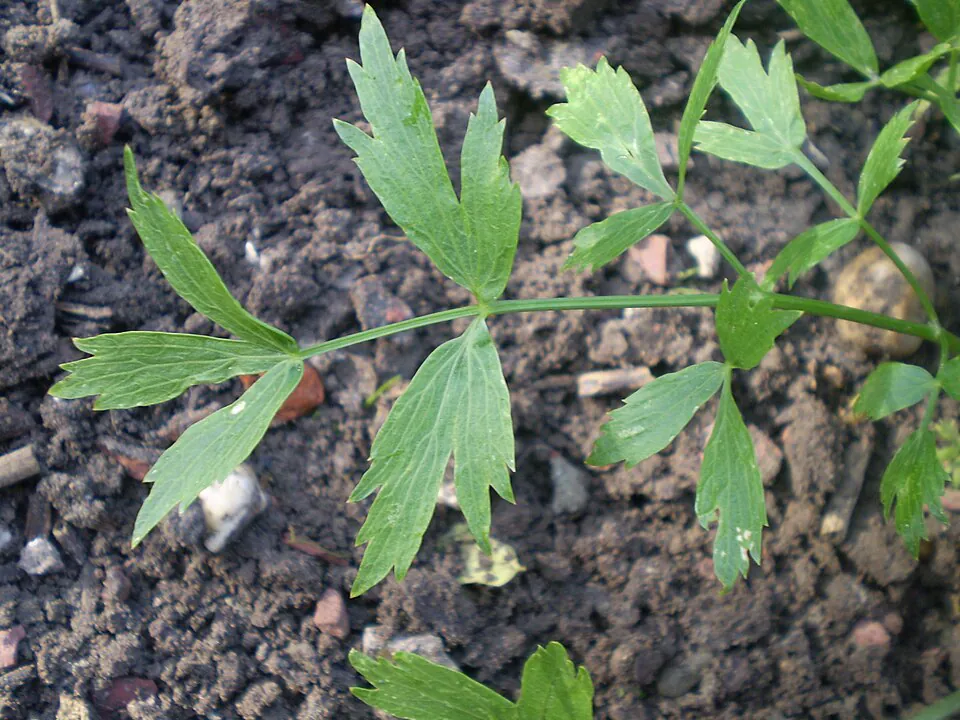
The hard part is the parsley family. Flat-leaf parsley, coriander and chervil all show flat, cut green leaves. Dill and fennel both show soft, thread-like leaves. A cook knows these plants by smell, and a photo does not give you the smell.
Each solved card shows the Latin name of the plant, so a full board also reads as a short list of the kitchen garden.
How to play
- Just start typing. The quiz checks your answer at every keystroke. There is no submit button.
- A correct name flips its card and shows the name plate and the Latin name.
- You can answer in any order. The name you type solves the matching card wherever it sits on the grid.
- Common alternative names count. "Cilantro" solves coriander, "arugula" and "rucola" solve rocket, "estragon" solves tarragon, and "ramsons" solves wild garlic.
- Spelling is forgiving. Capitals, accents and hyphens are ignored, and frequent misspellings such as "parsely", "corriander" and "camomile" are accepted.
- The timer starts at your first keystroke and counts up. Give Up ends the run and shows every herb you missed. Progress saves automatically.
What counts in this quiz
- 30 culinary herbs. A herb is the leaf of the plant, used for flavour.
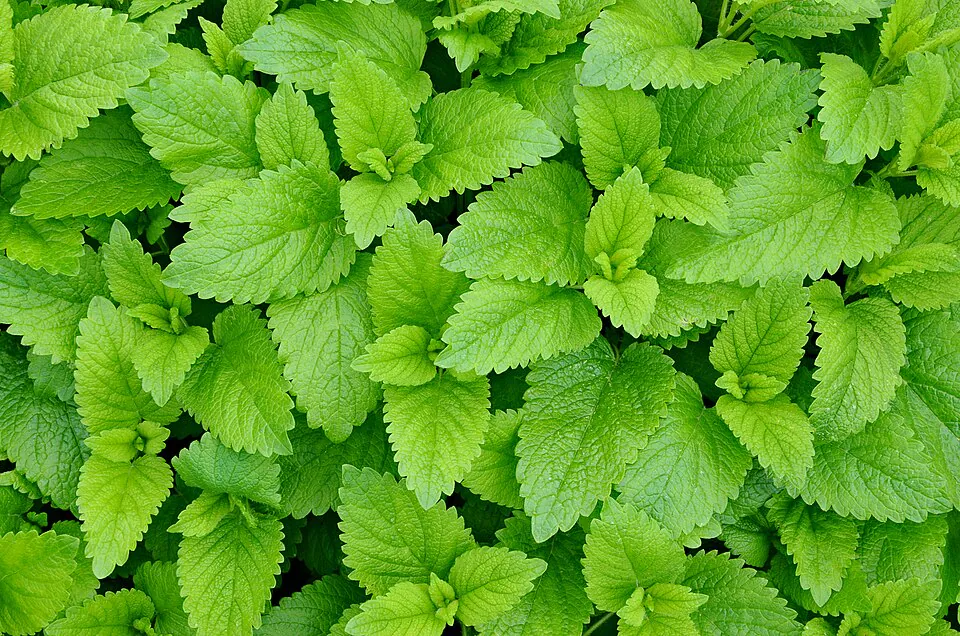
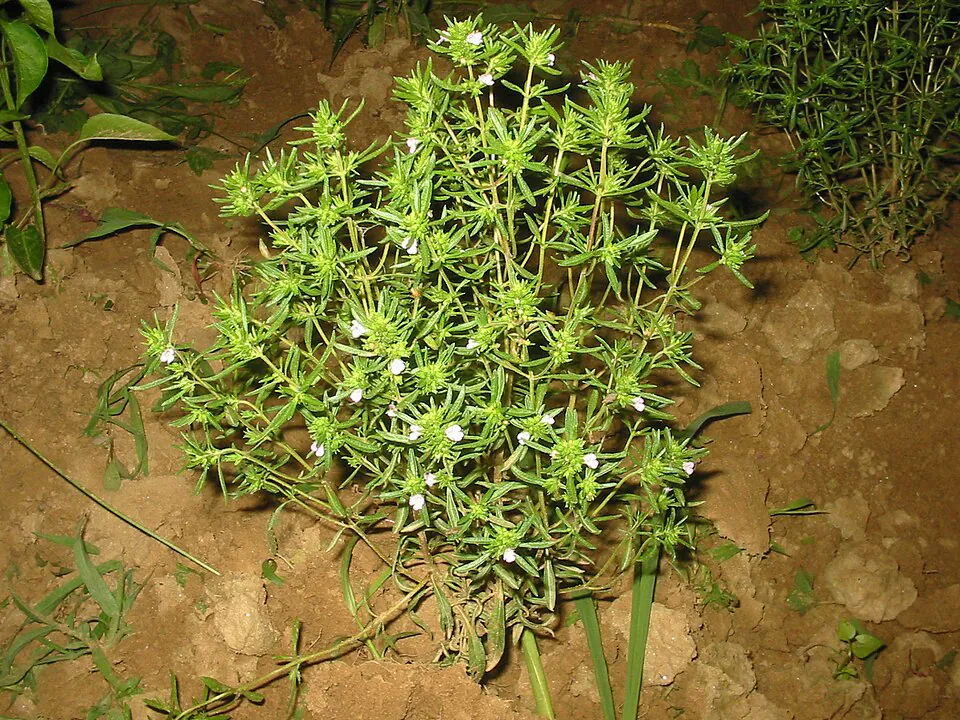
- Every photo shows the fresh plant, or a cut bunch of it, as a cook meets it.
- Bay leaf is the one exception. Bay is sold and used dried, so the card shows dried bay leaves.
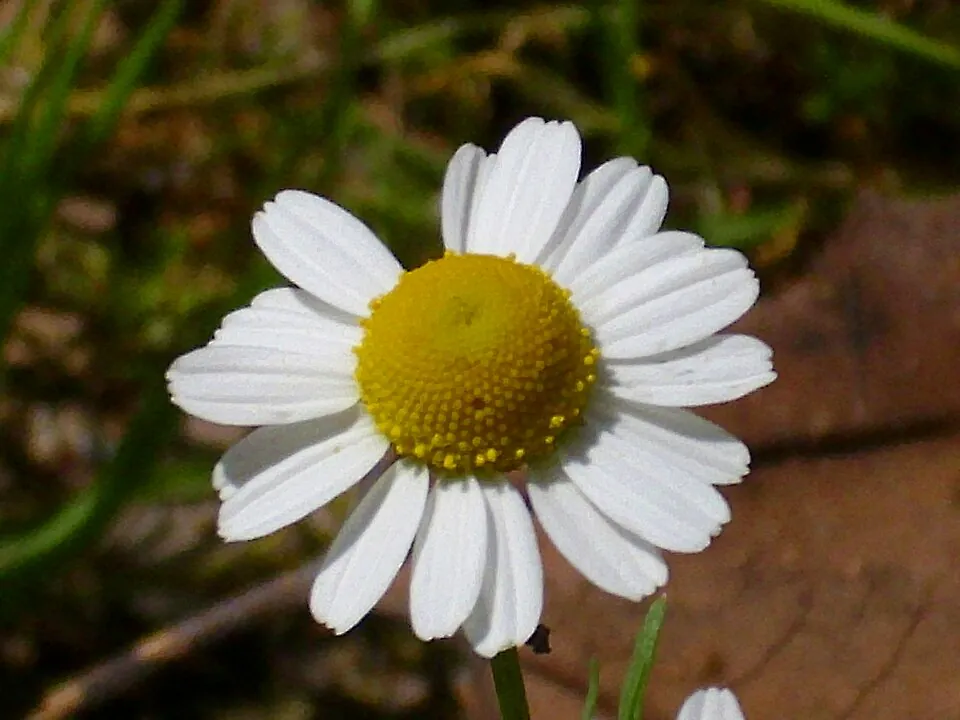
- Borage, chamomile and lavender show their flowers, because the flower is the part people know and the part they use.
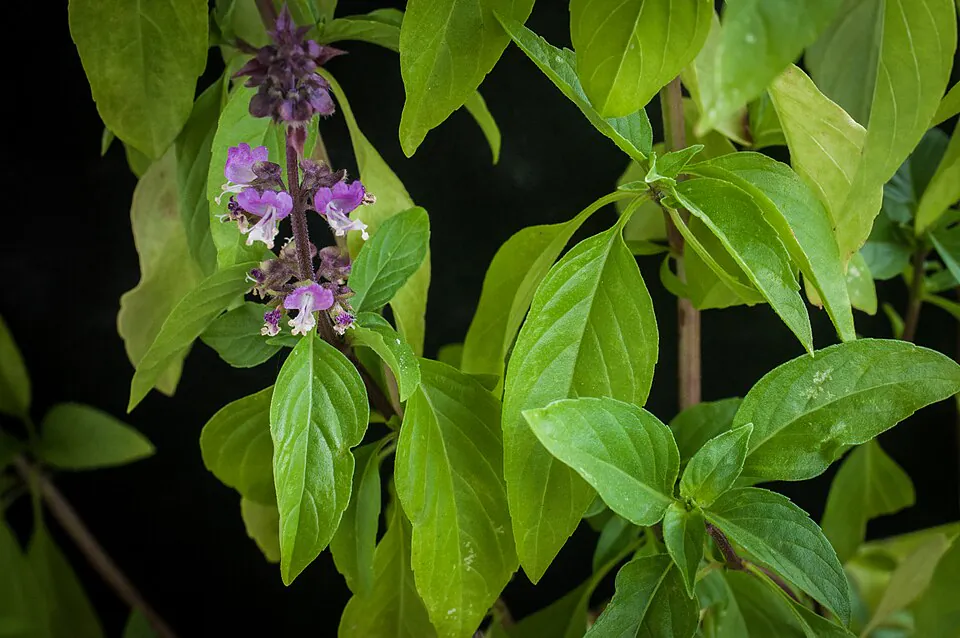
- Thai basil has its own card, next to ordinary sweet basil. The two plants taste different, and the photos show the difference: Thai basil has purple stems.
- Every photo is a freely licensed Wikimedia Commons image. The photographers are credited under the grid.
What's not included — and why
- Spices are not here. A spice comes from the seed, bark, root or fruit — pepper, cinnamon, cumin, ginger. This quiz is about leaves.
- Coriander seed is a spice and coriander leaf is a herb, from the same plant. The card is the leaf.
- Fennel seed and the fennel bulb are also left out, for the same reason. The card shows the feathery leaf.
- Salad leaves such as lettuce and spinach are not herbs. Rocket and watercress are here because they are used in small amounts for flavour, like a herb.
- Dried and ground herbs are not shown, except for bay. A jar of dried oregano gives no clue about the plant.
- Garlic is not here. The bulb is the part people eat, so garlic is a vegetable. Wild garlic is here, because the leaf is the part people pick.
Good to know
- Basil, mint, rosemary, thyme, oregano, sage, marjoram, lavender, lemon balm, savory, shiso and Thai basil are all in the mint family. Twelve of the 30 cards are relatives.
- Parsley, coriander, dill, fennel, chervil and lovage are all in the carrot family. Their soft, divided leaves are why they are so easy to confuse.
- Coriander splits the world in two. About one person in ten carries a version of the OR6A2 gene that makes the leaf taste of soap.
- Oregano and marjoram are both Origanum. Marjoram is the milder, sweeter one, which is why old recipes call oregano "wild marjoram".
- Lemongrass is a grass, and it is the only card in the quiz that is one.
- Bay leaves are removed before a dish is served because they stay stiff and sharp-edged even after hours of cooking.
- Shiso is a garnish in Japan and a wrap for grilled meat in Korea, where its seeds are pressed for perilla oil.
- Stinging nettle loses its sting the moment it is cooked. Heat breaks down the tiny hairs that carry the acid.