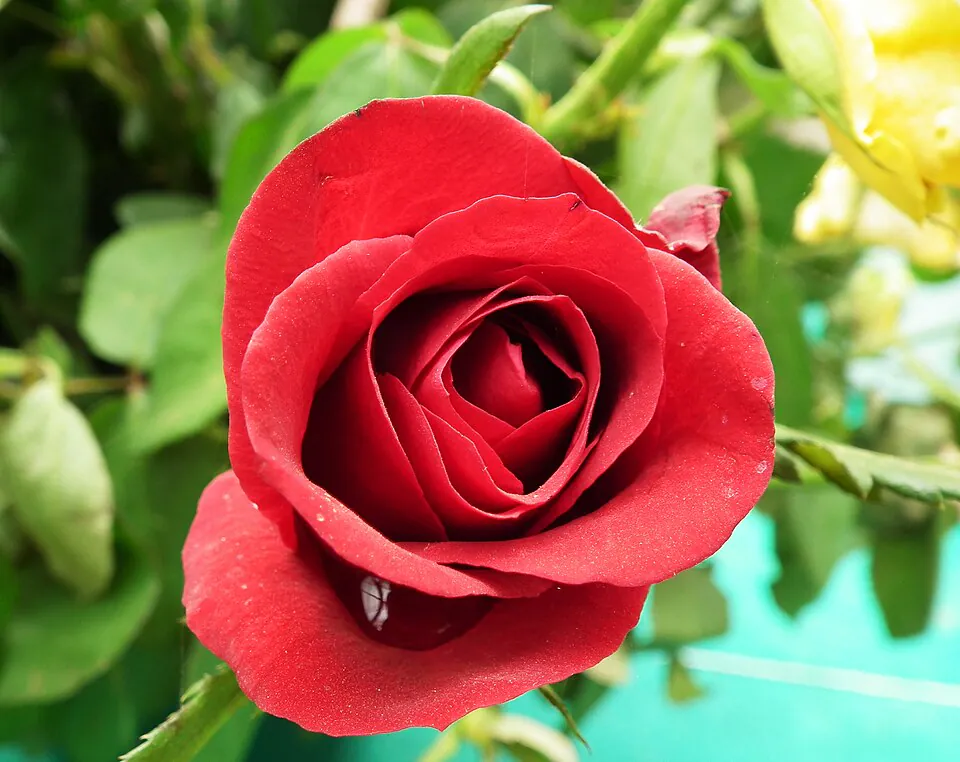
? ? ?
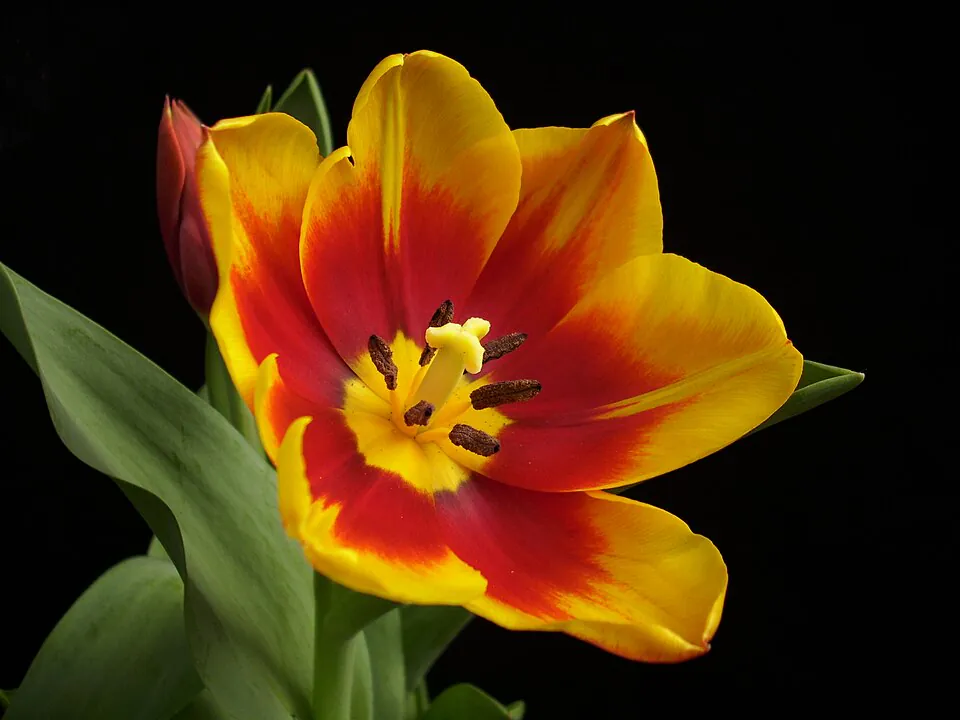
? ? ?
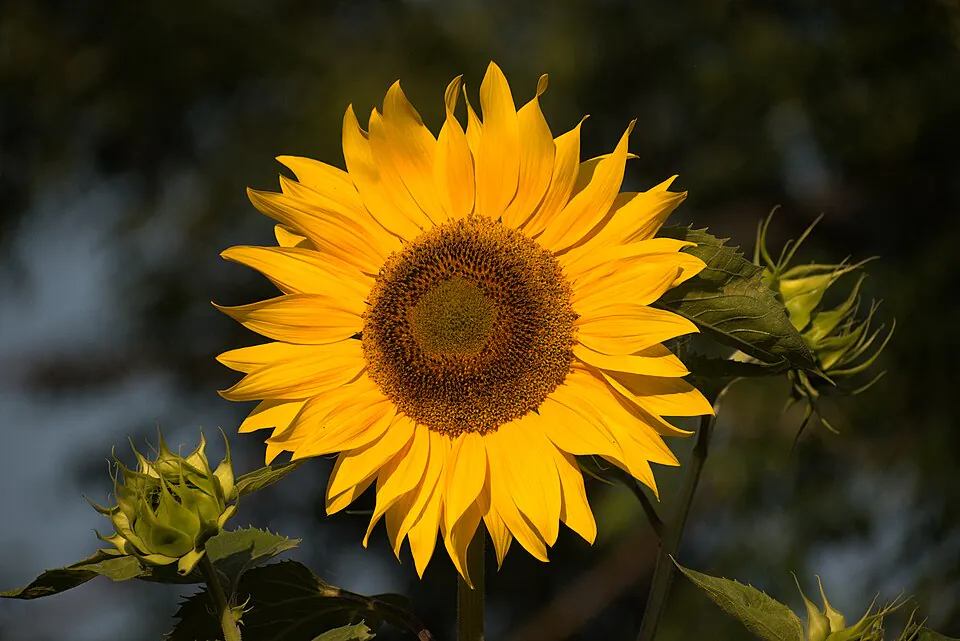
? ? ?
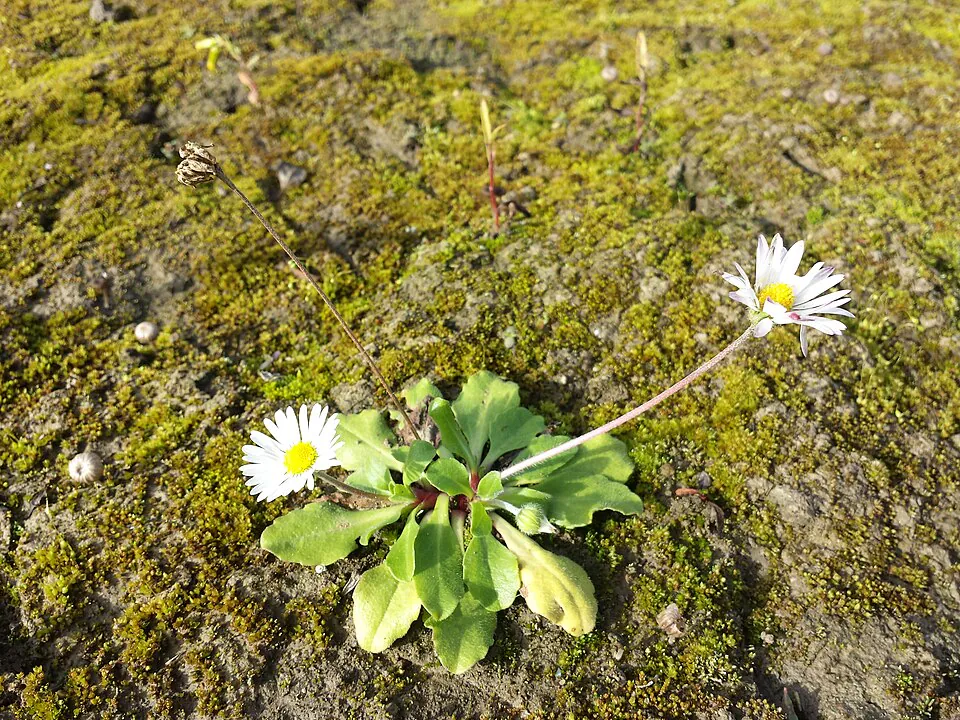
? ? ?
? ? ?
? ? ?
? ? ?
? ? ?
? ? ?
? ? ?
? ? ?
? ? ?
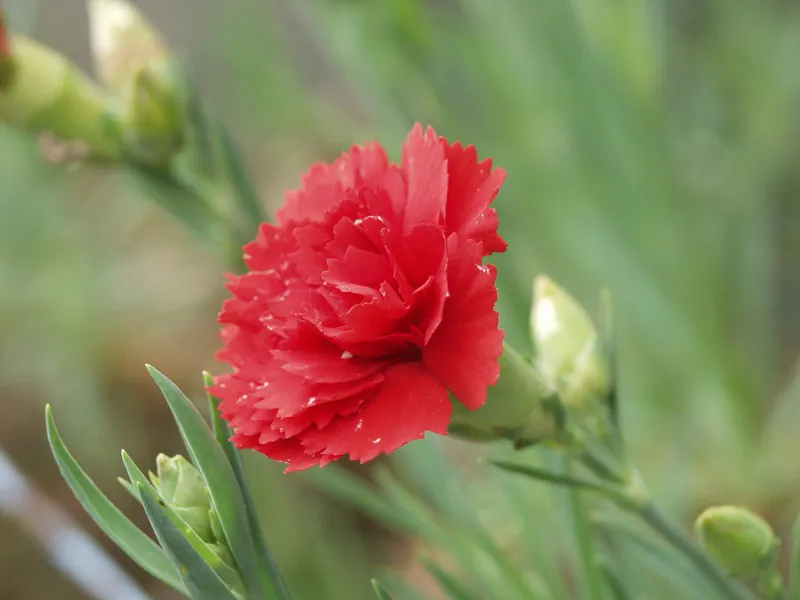
? ? ?
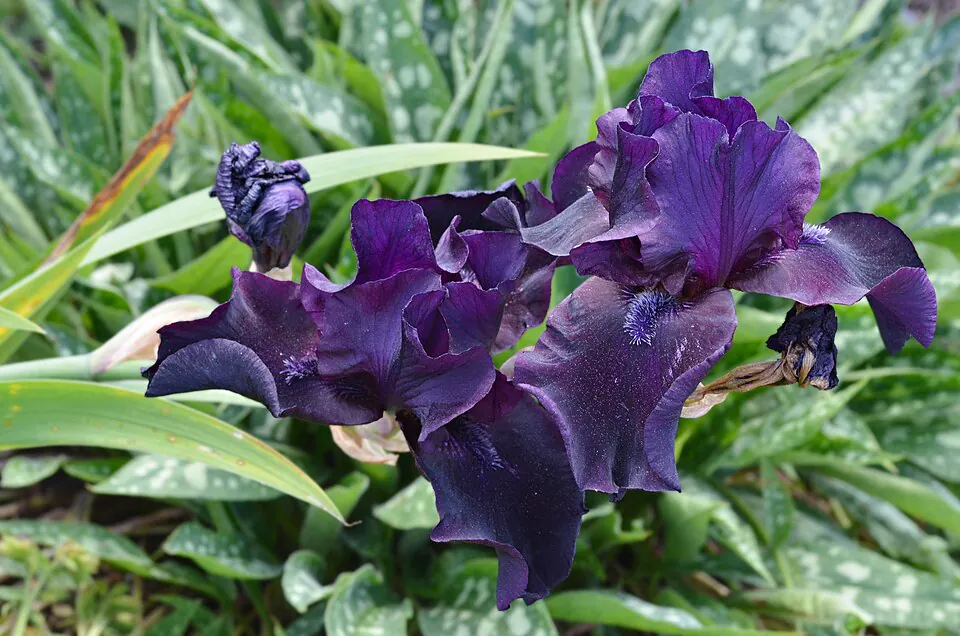
? ? ?
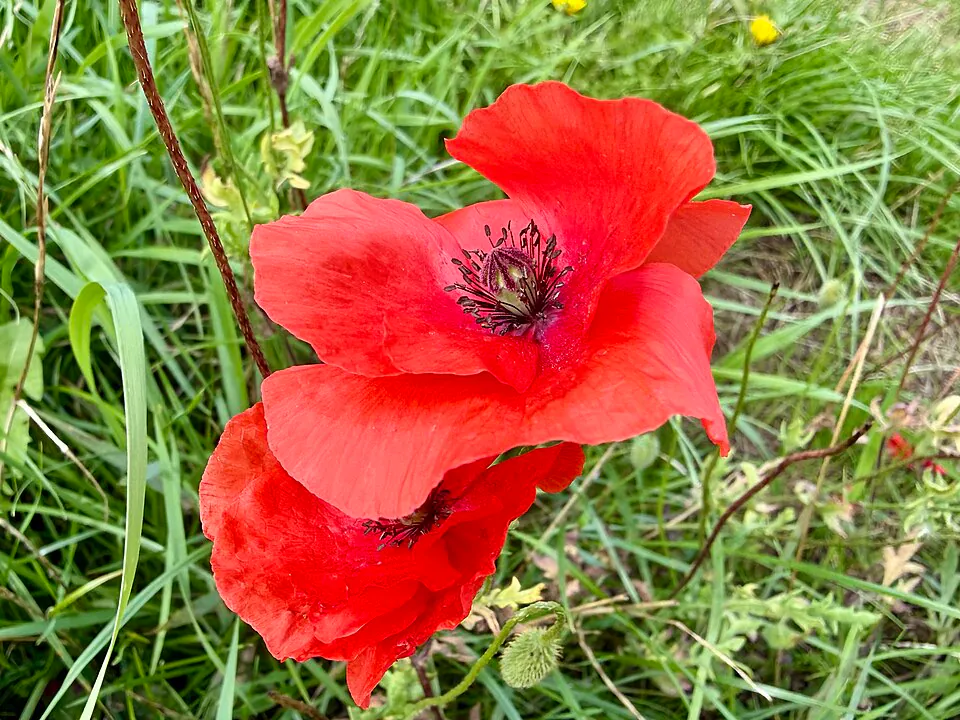
? ? ?
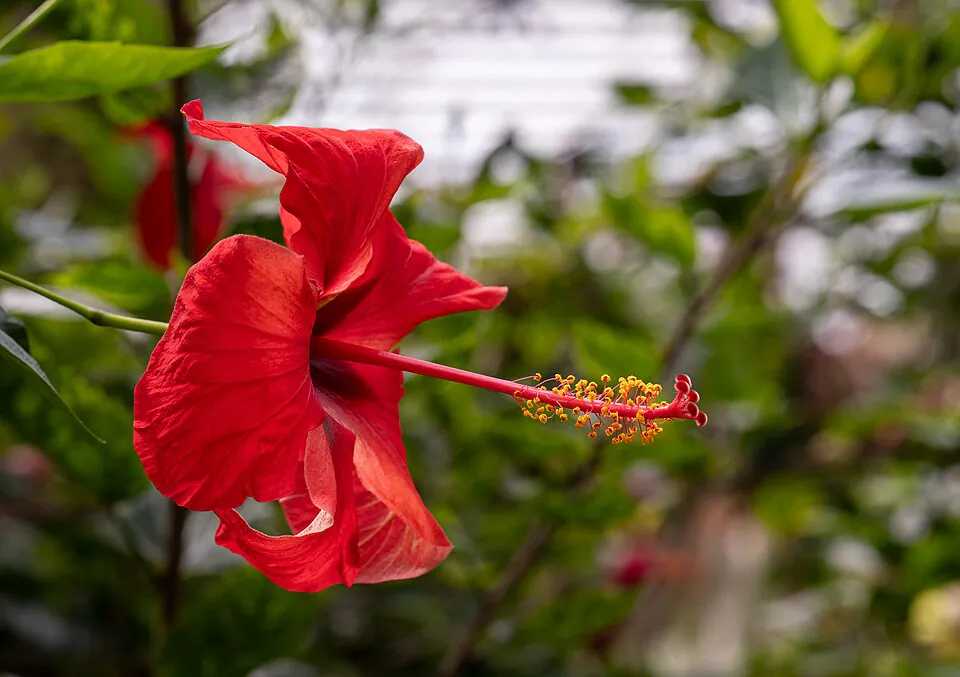
? ? ?
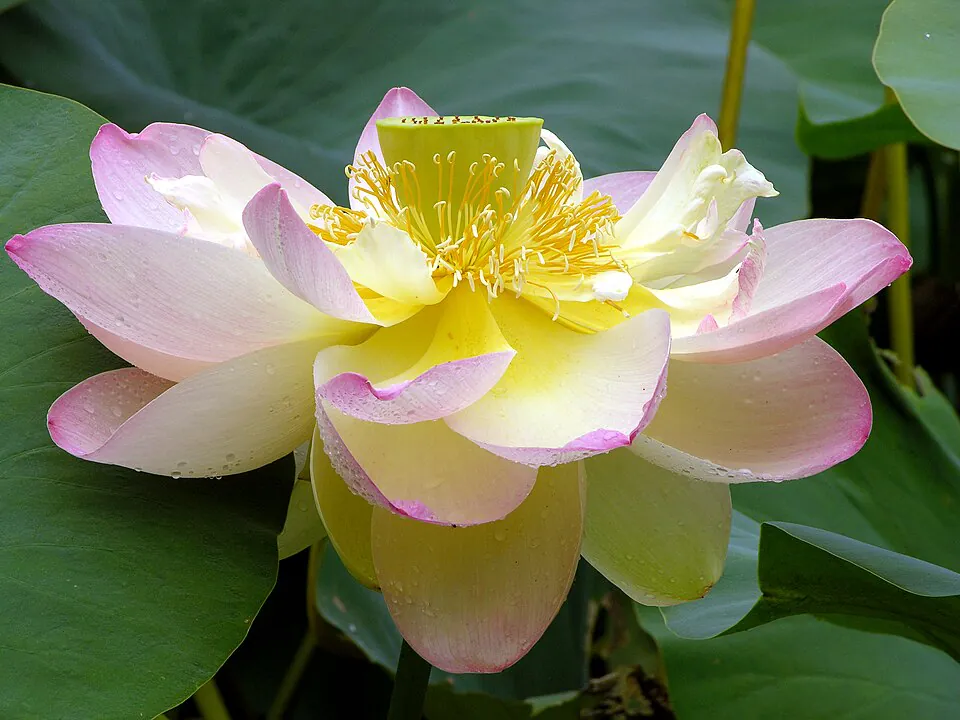
? ? ?
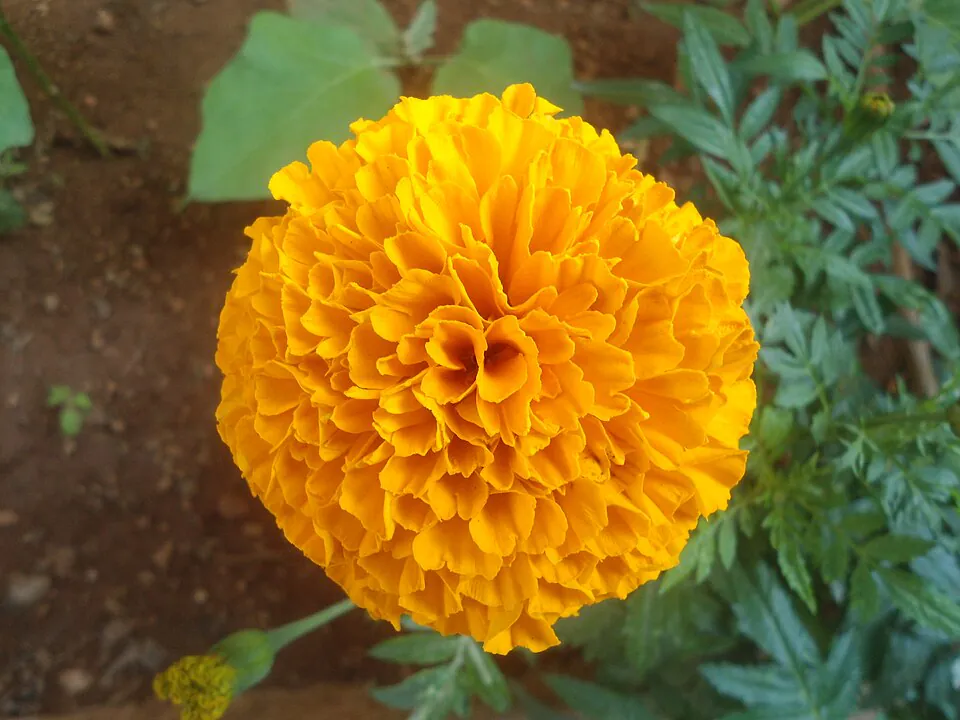
? ? ?
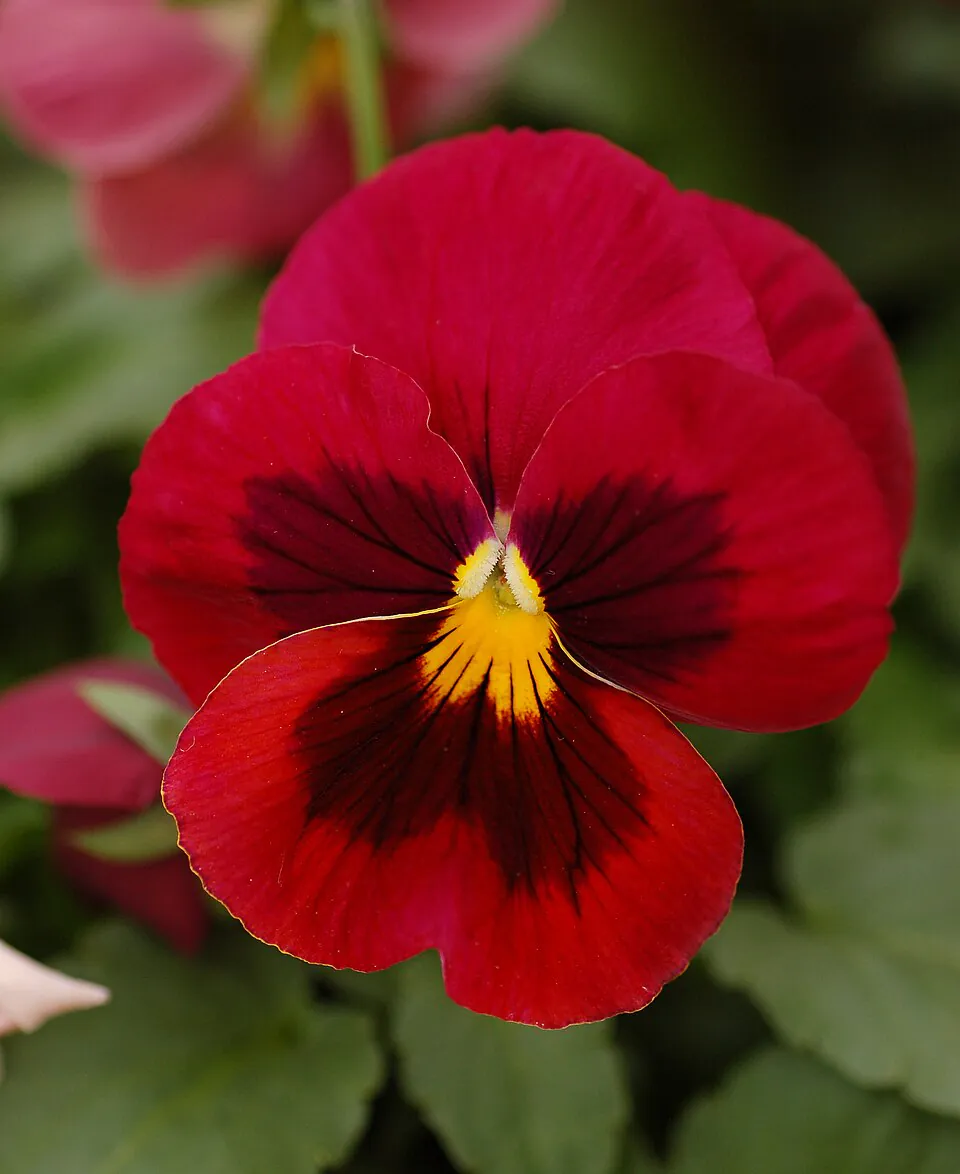
? ? ?
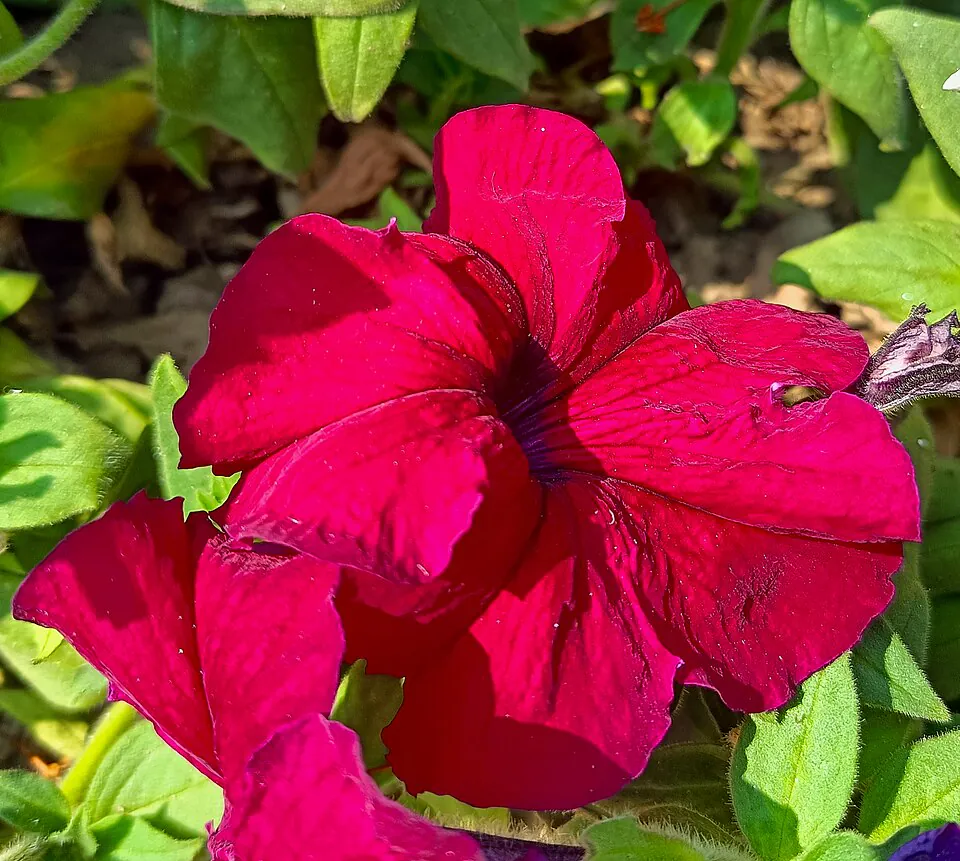
? ? ?
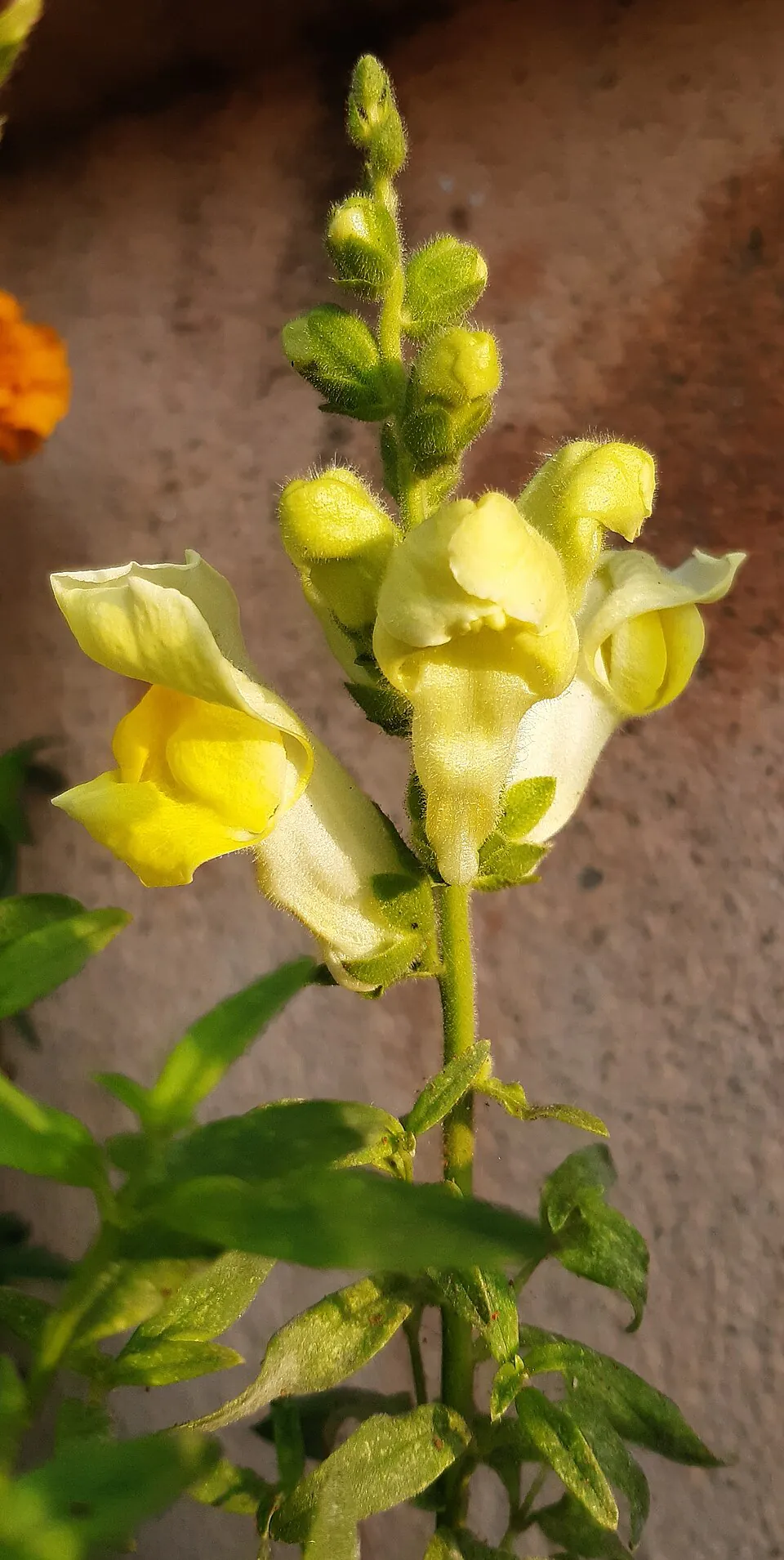
? ? ?
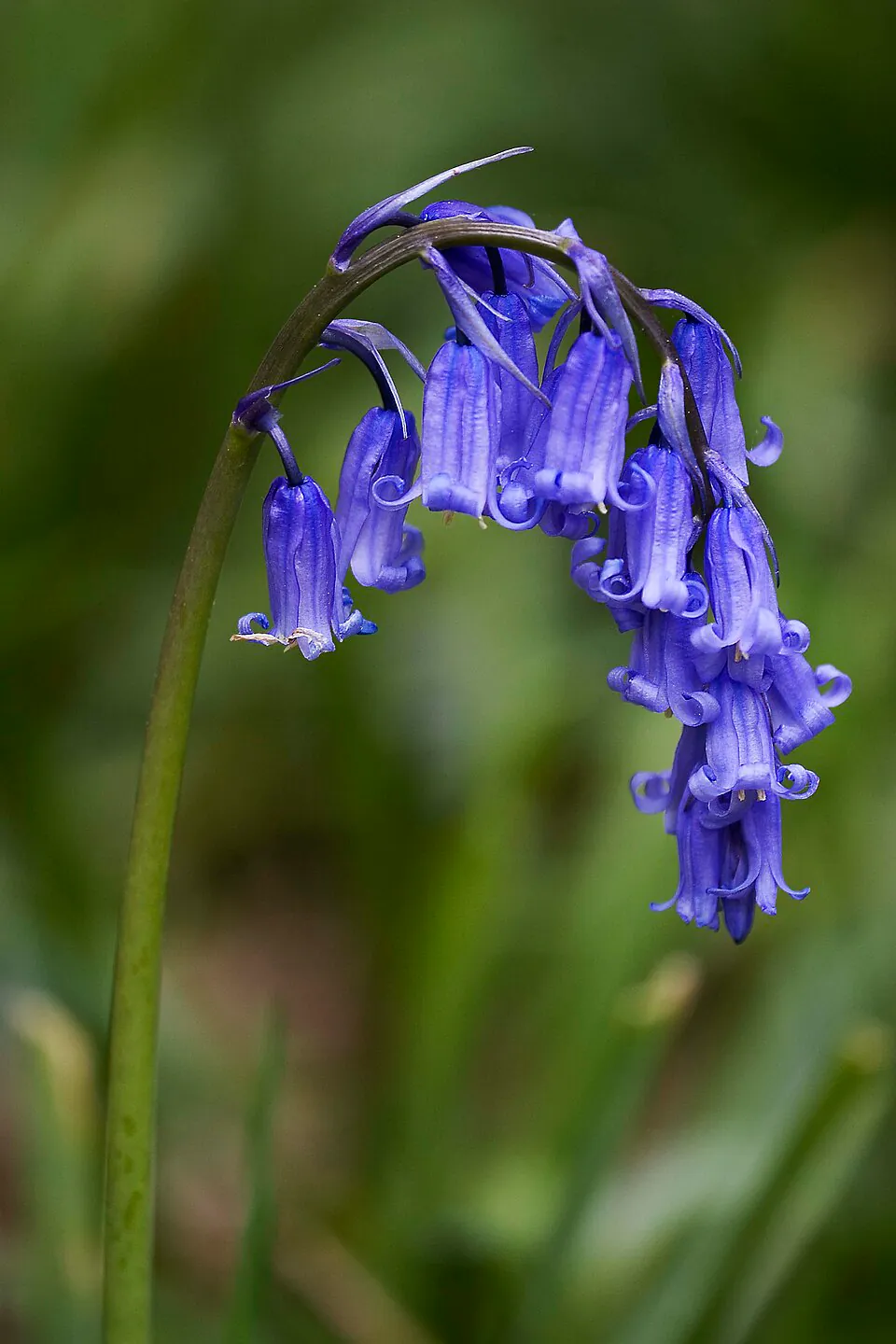
? ? ?
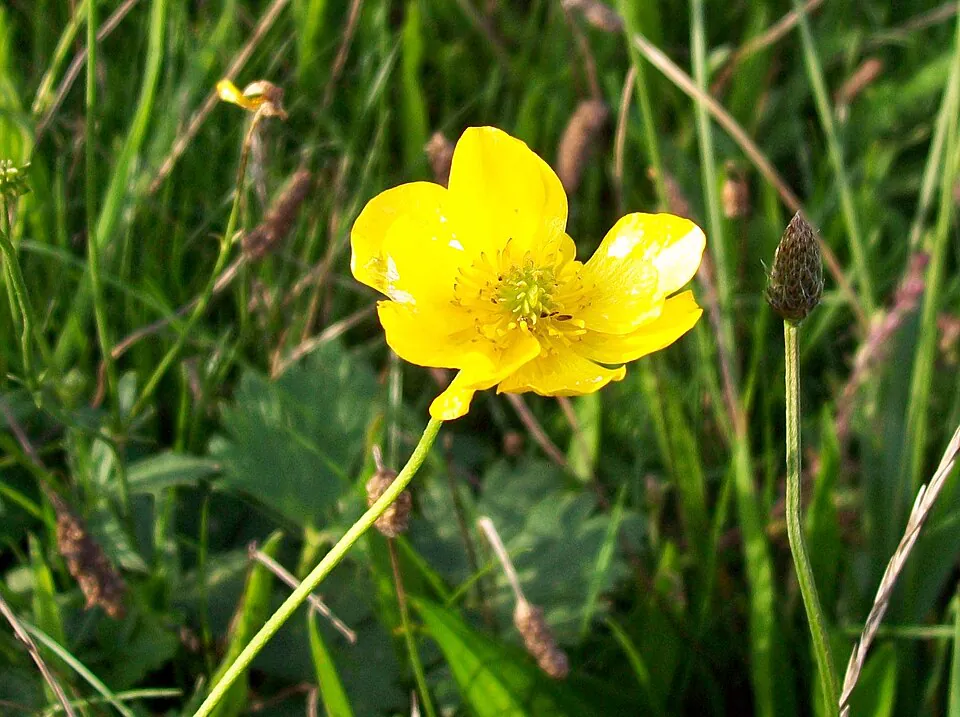
? ? ?
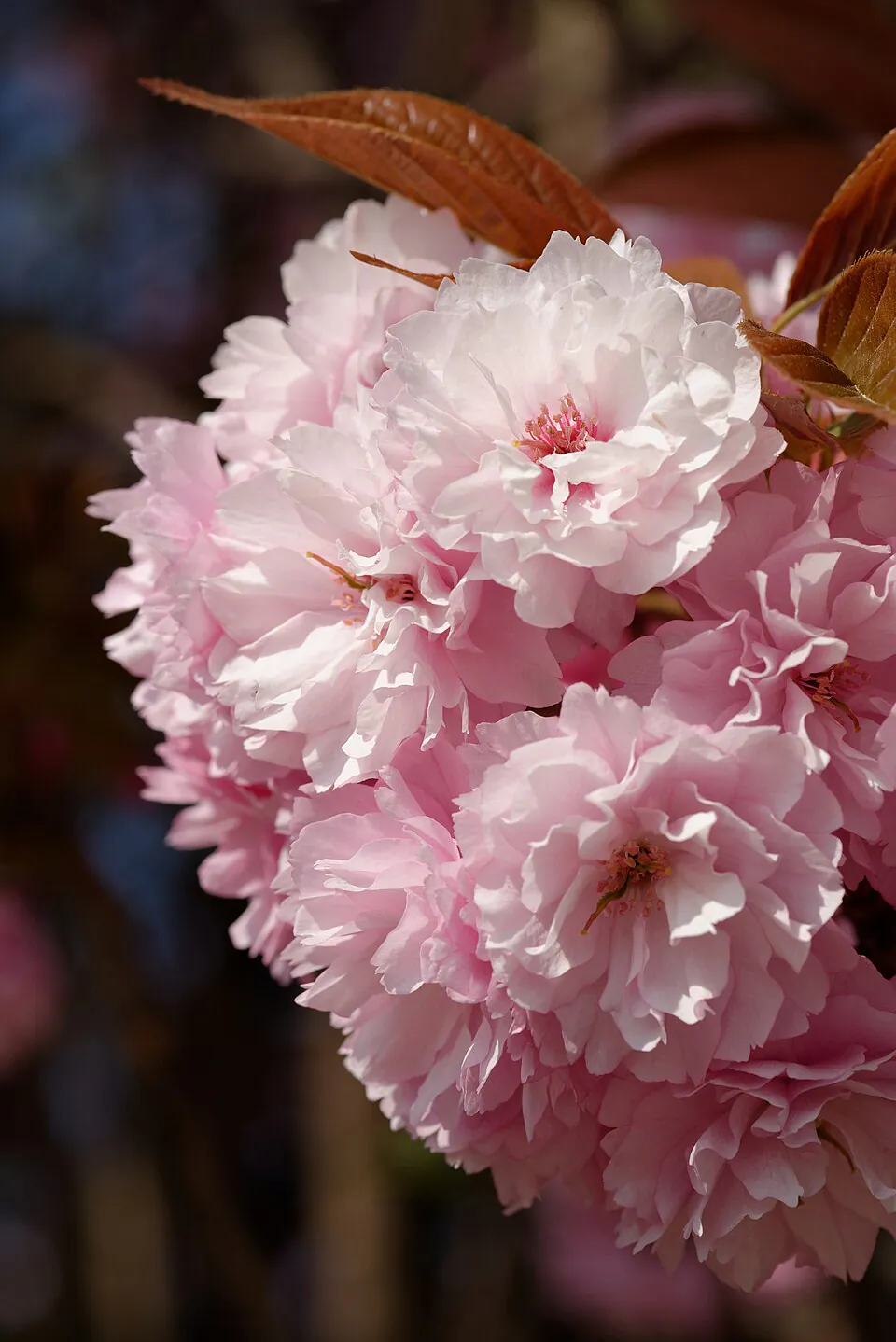
? ? ?
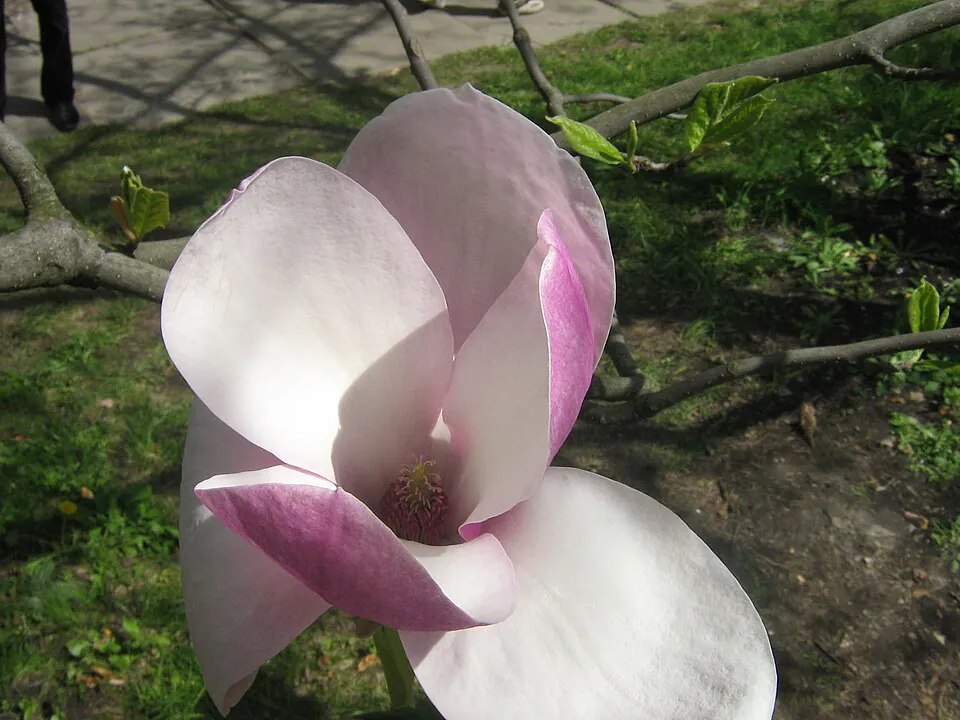
? ? ?
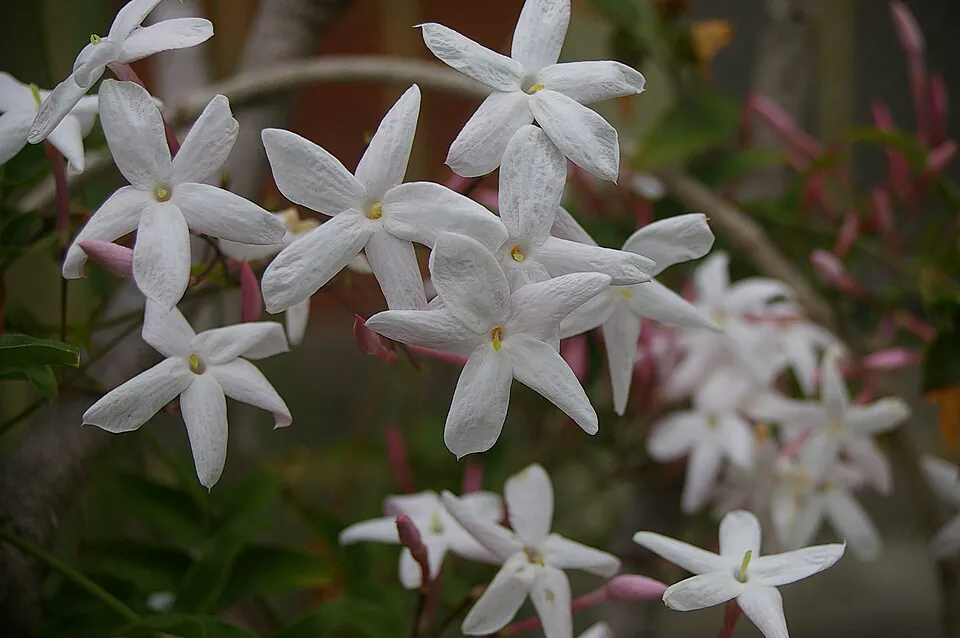
? ? ?
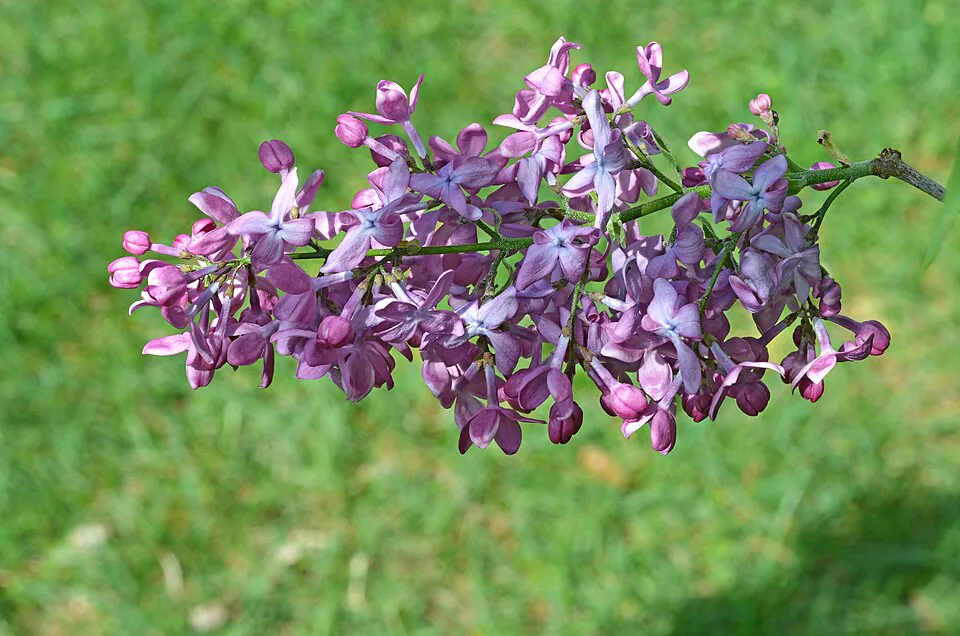
? ? ?
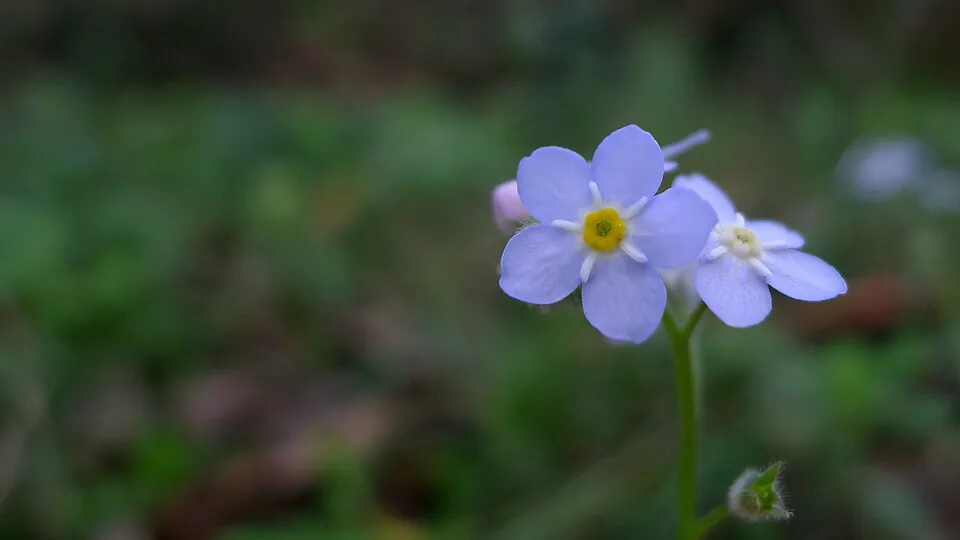
? ? ?
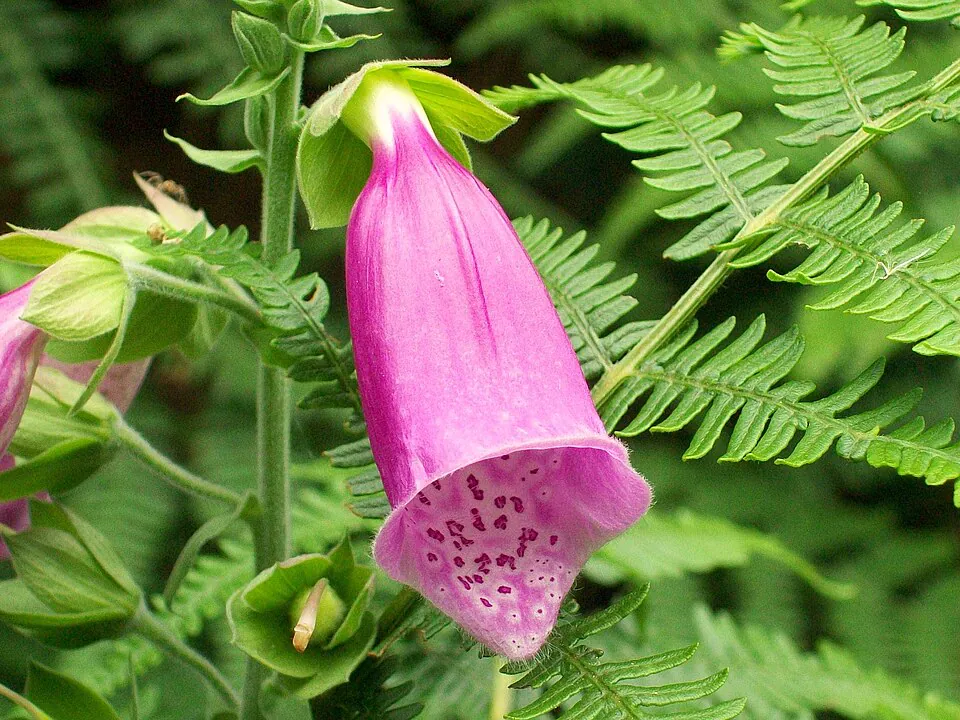
? ? ?
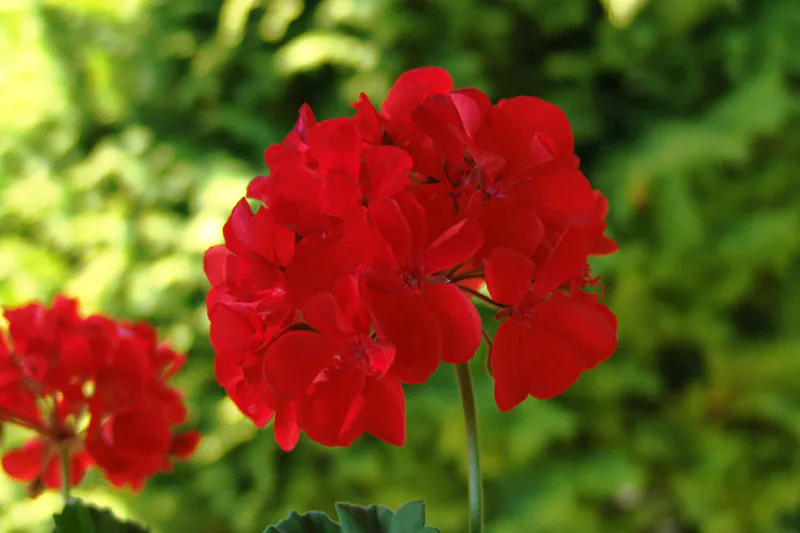
? ? ?
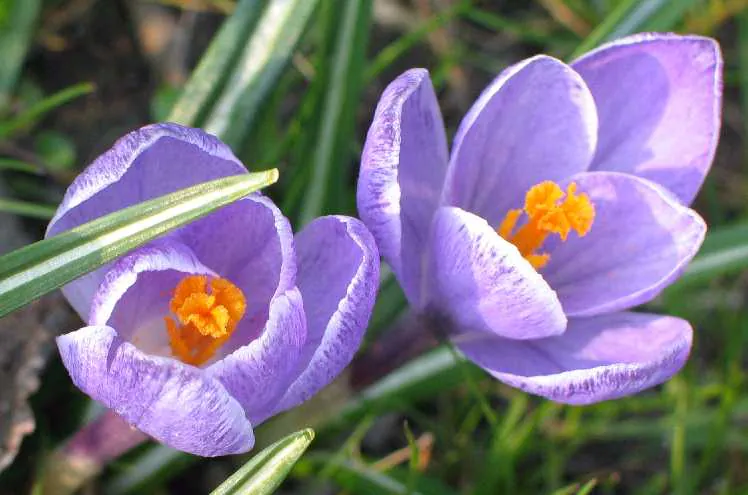
? ? ?
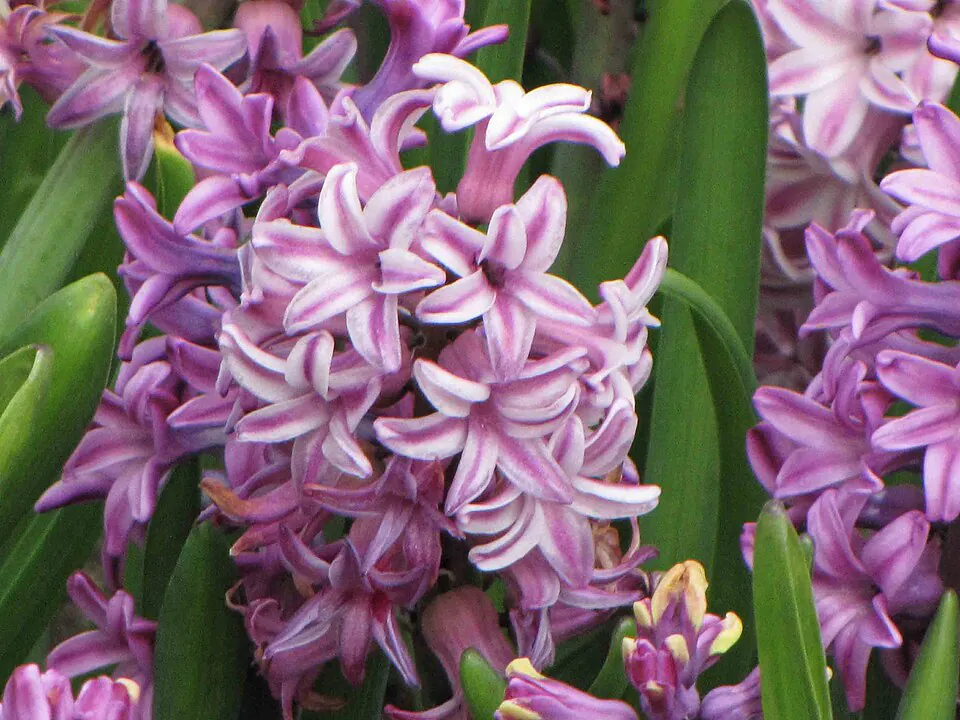
? ? ?
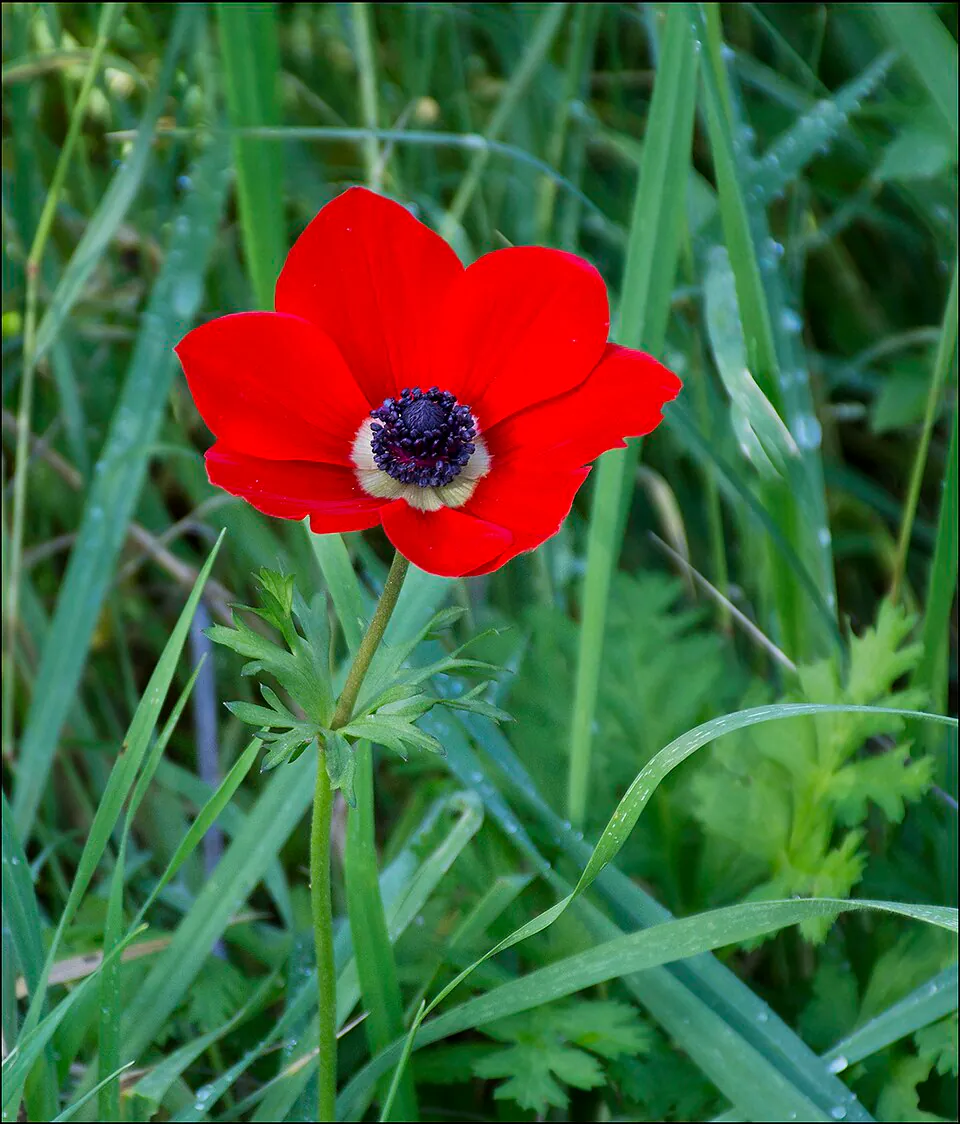
? ? ?
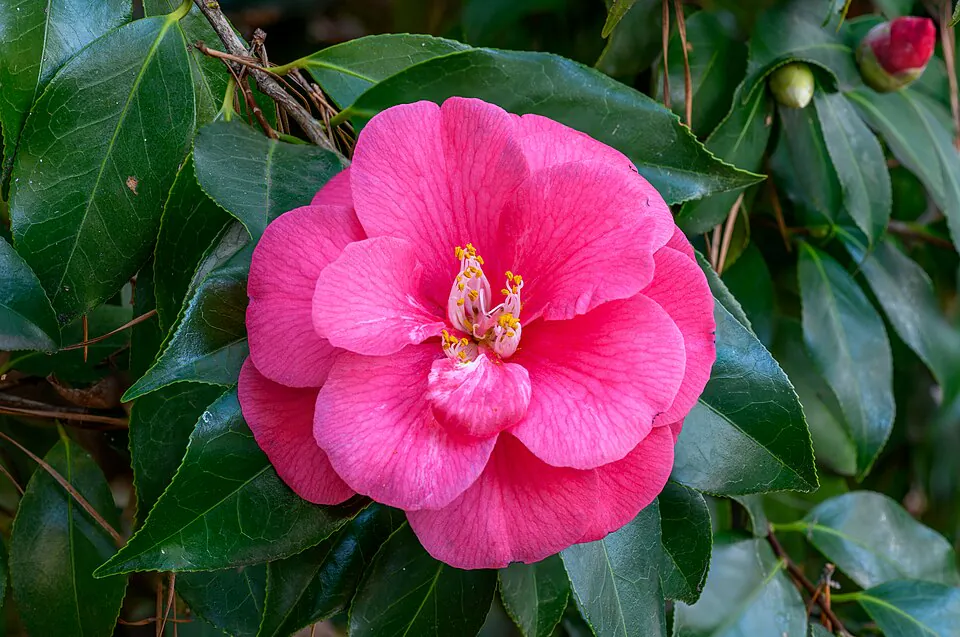
? ? ?
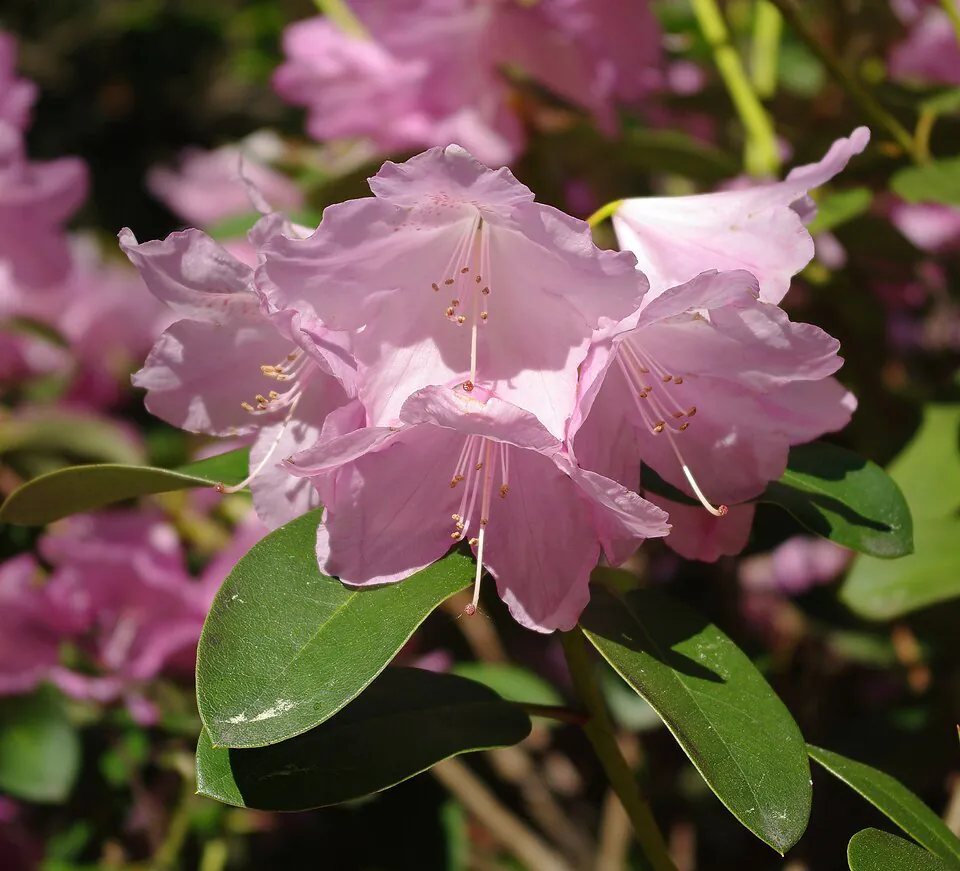
? ? ?
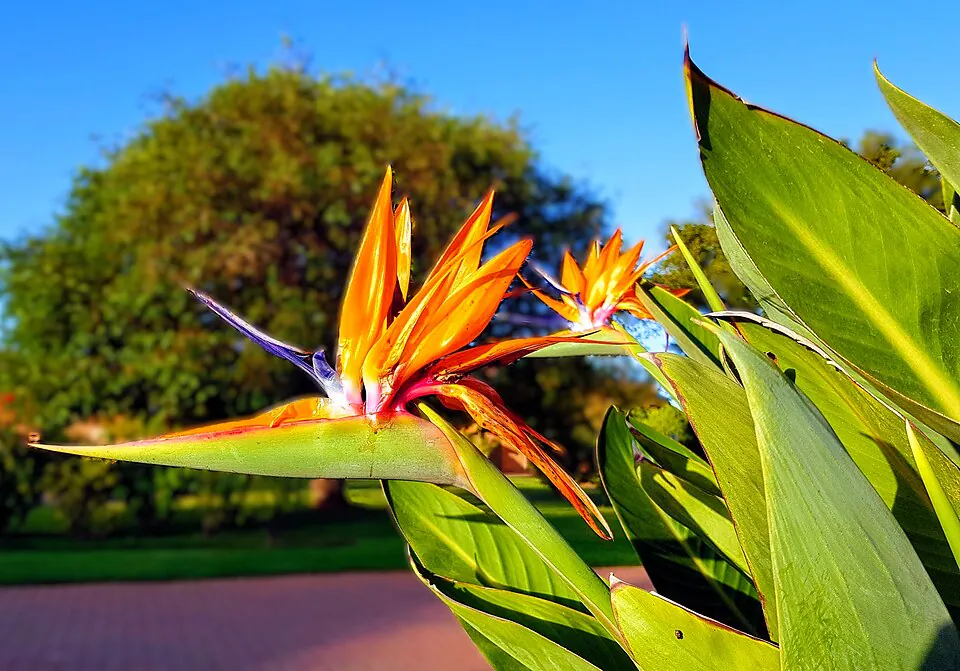
? ? ?
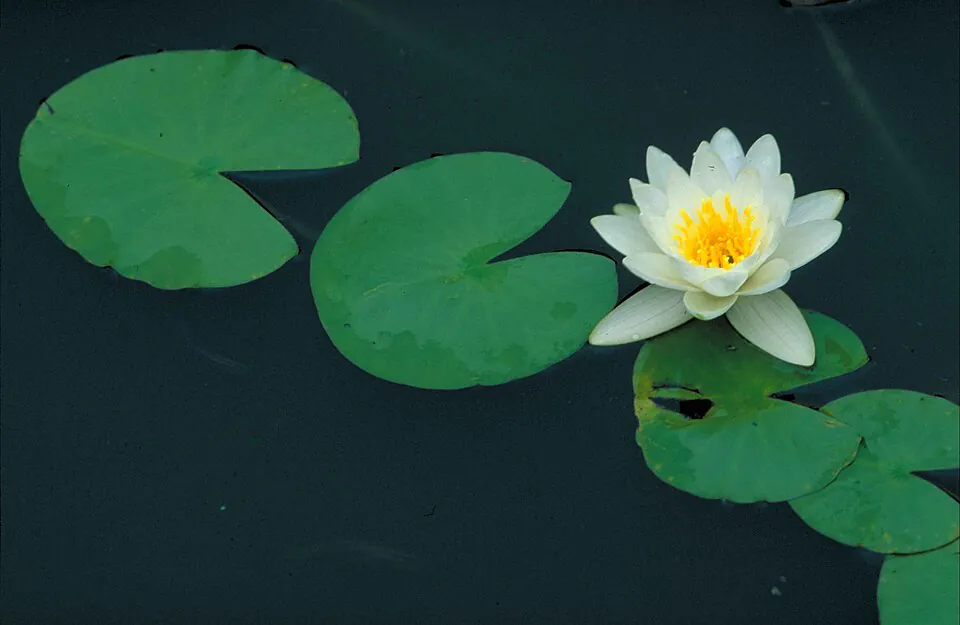
? ? ?
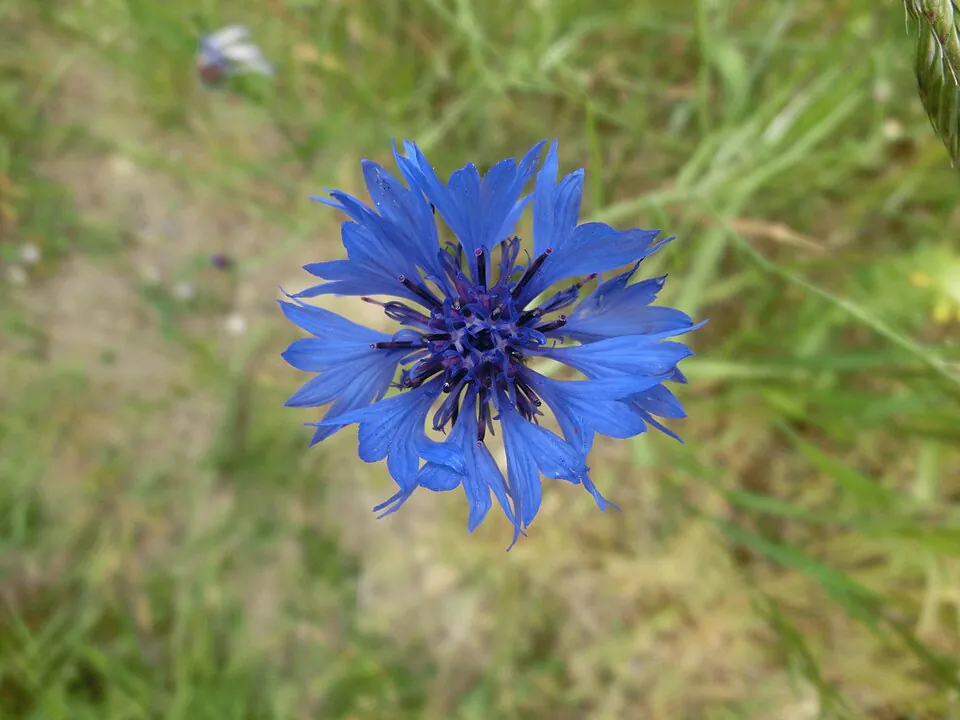
? ? ?
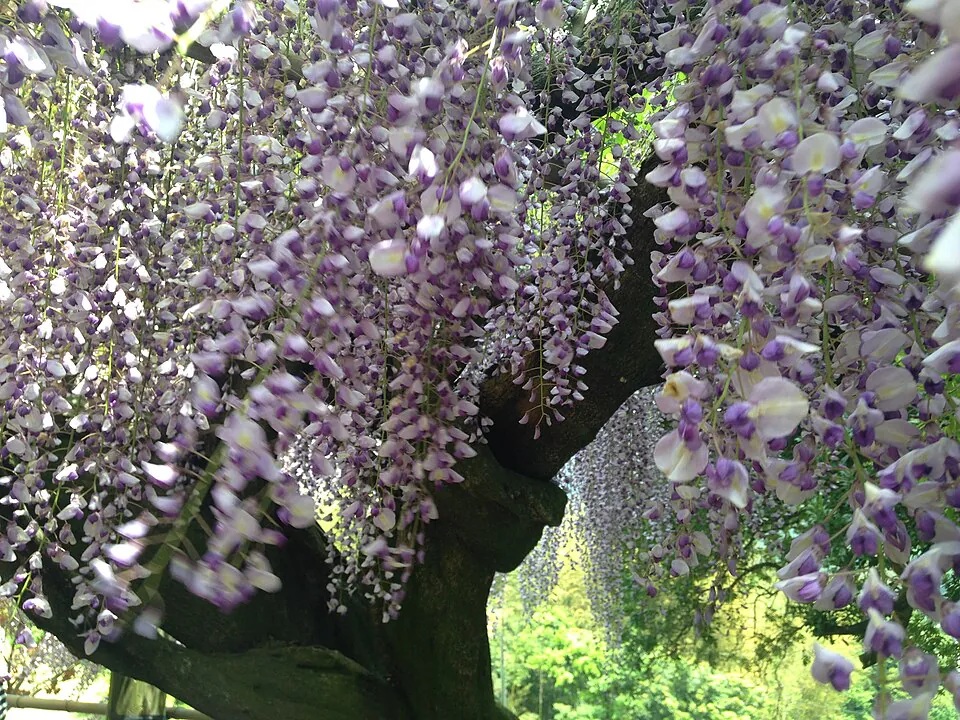
? ? ?
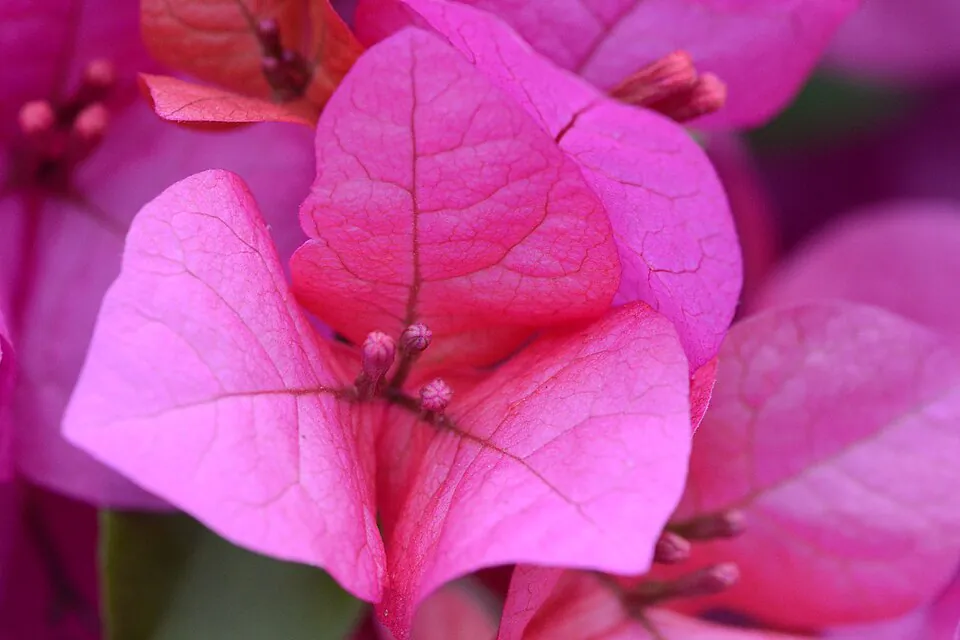
? ? ?
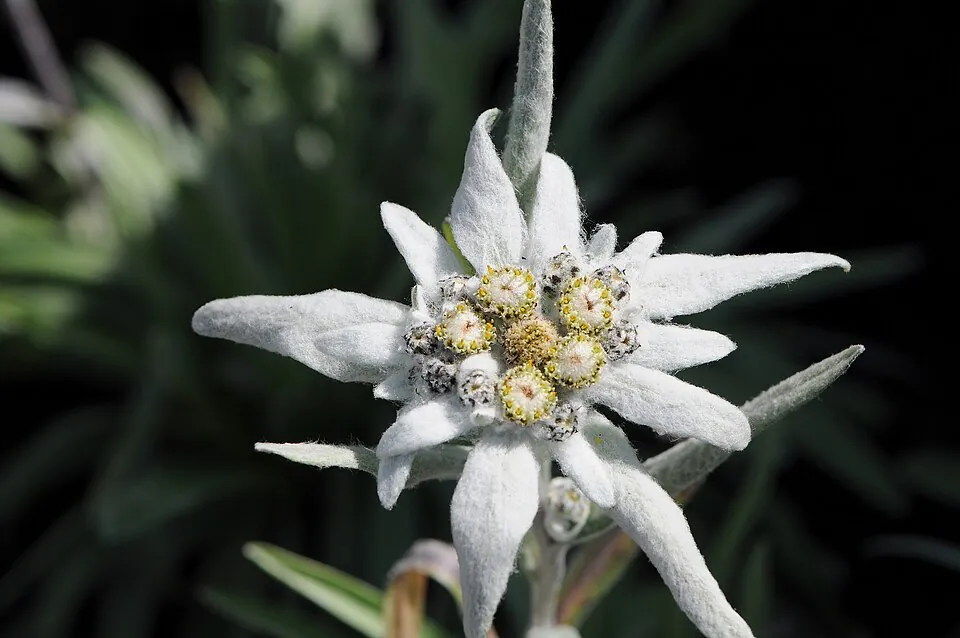
? ? ?
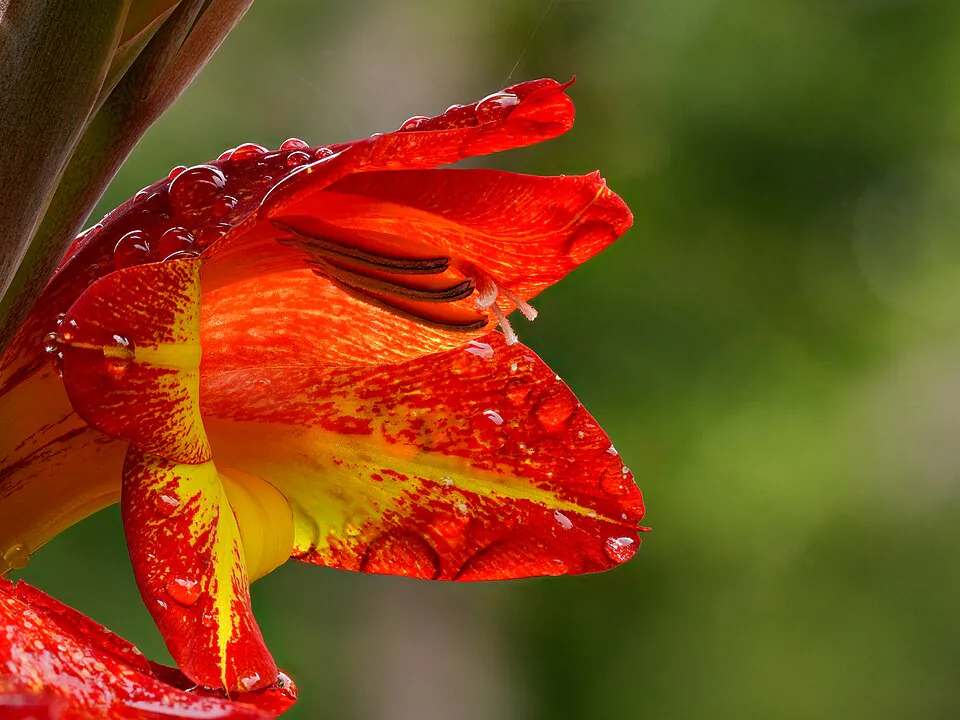
? ? ?
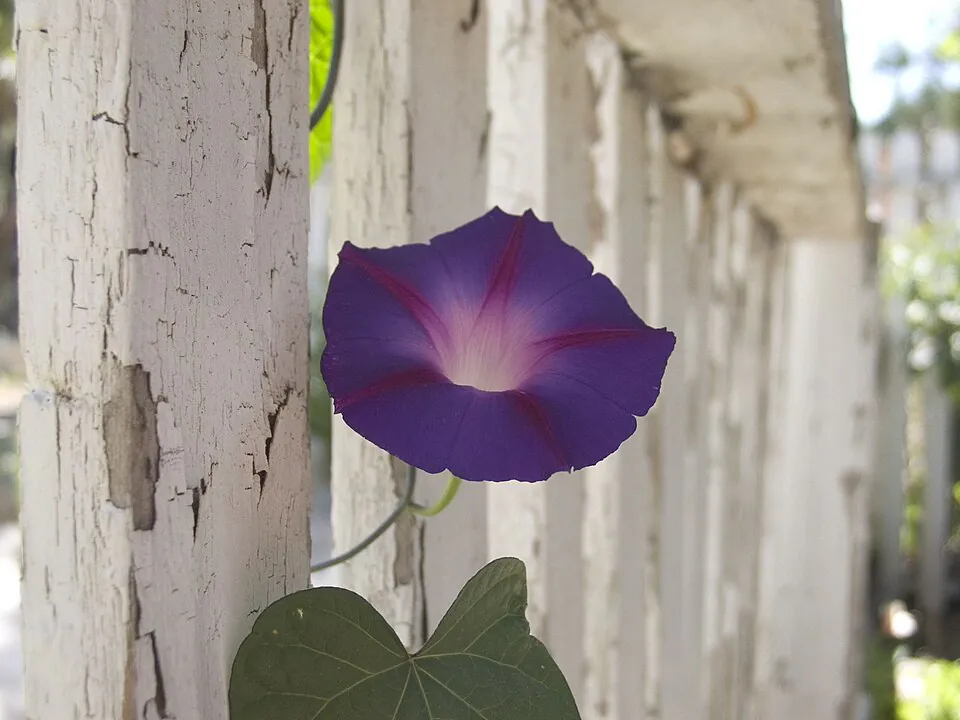
? ? ?
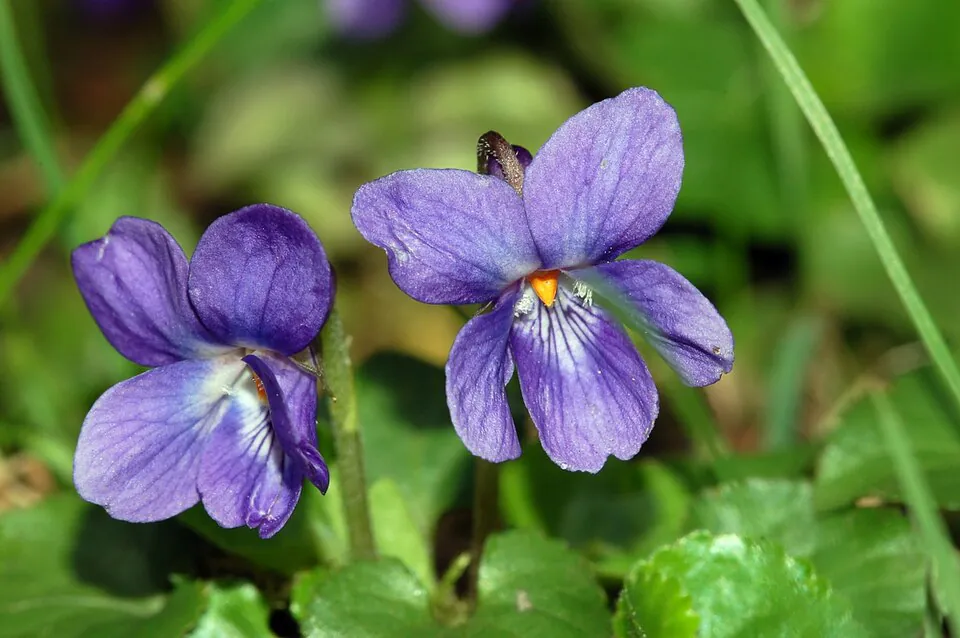
? ? ?
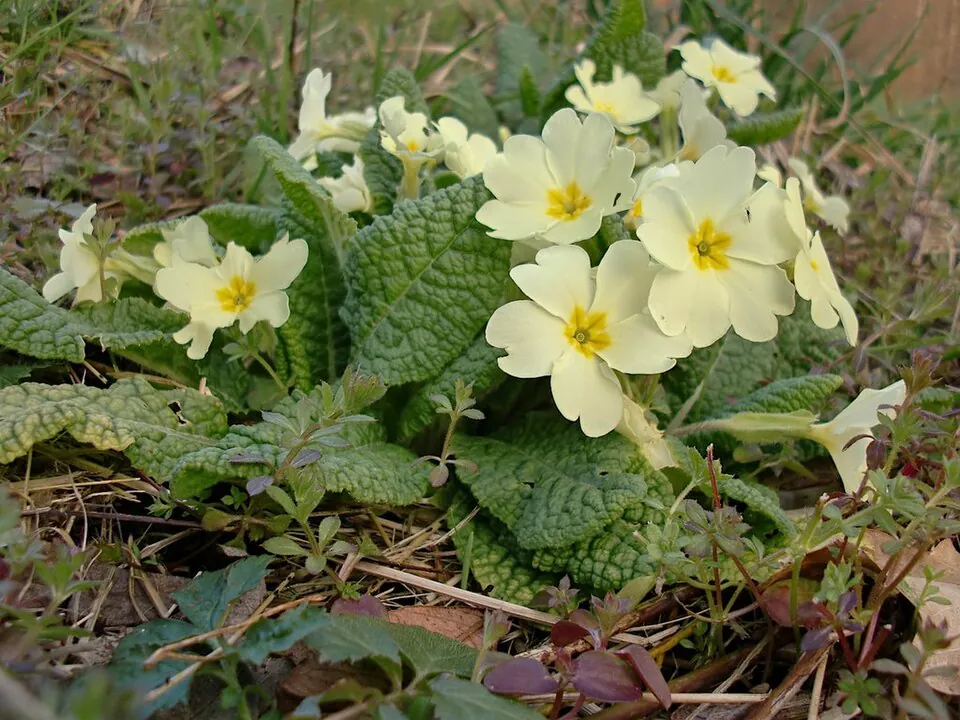
? ? ?
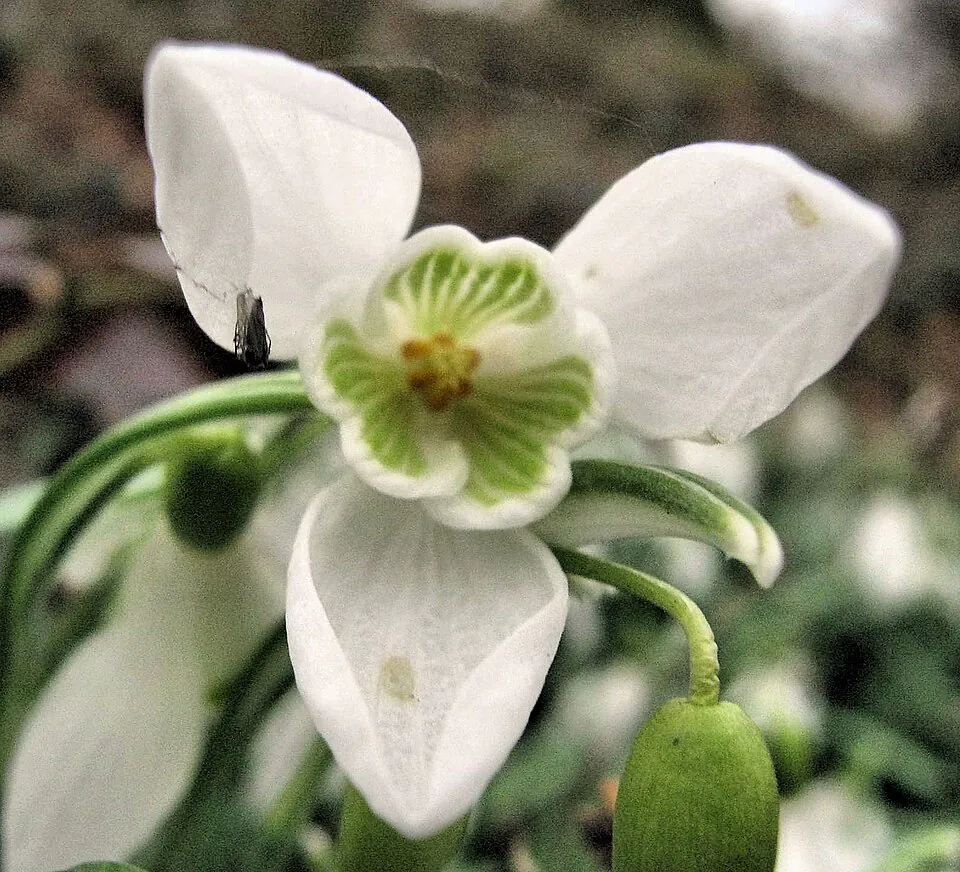
? ? ?
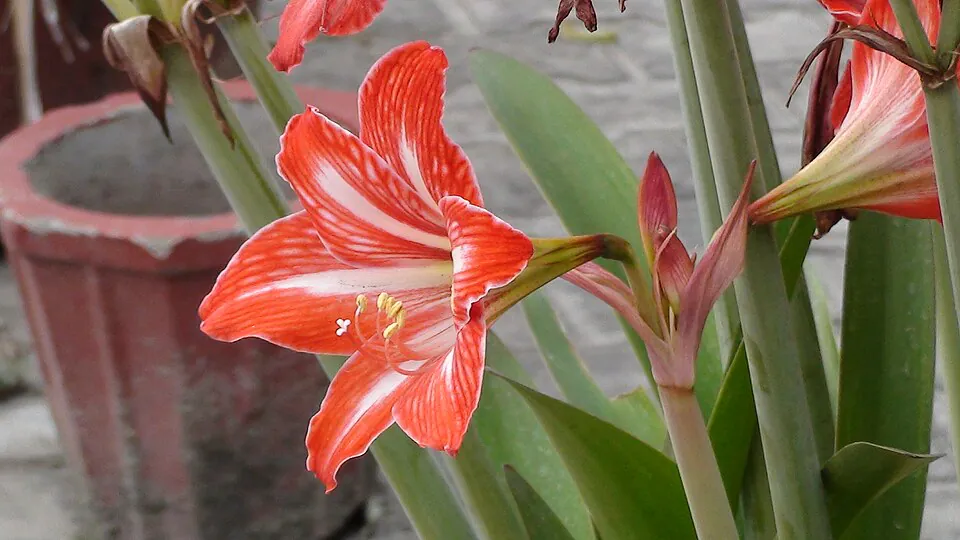
? ? ?
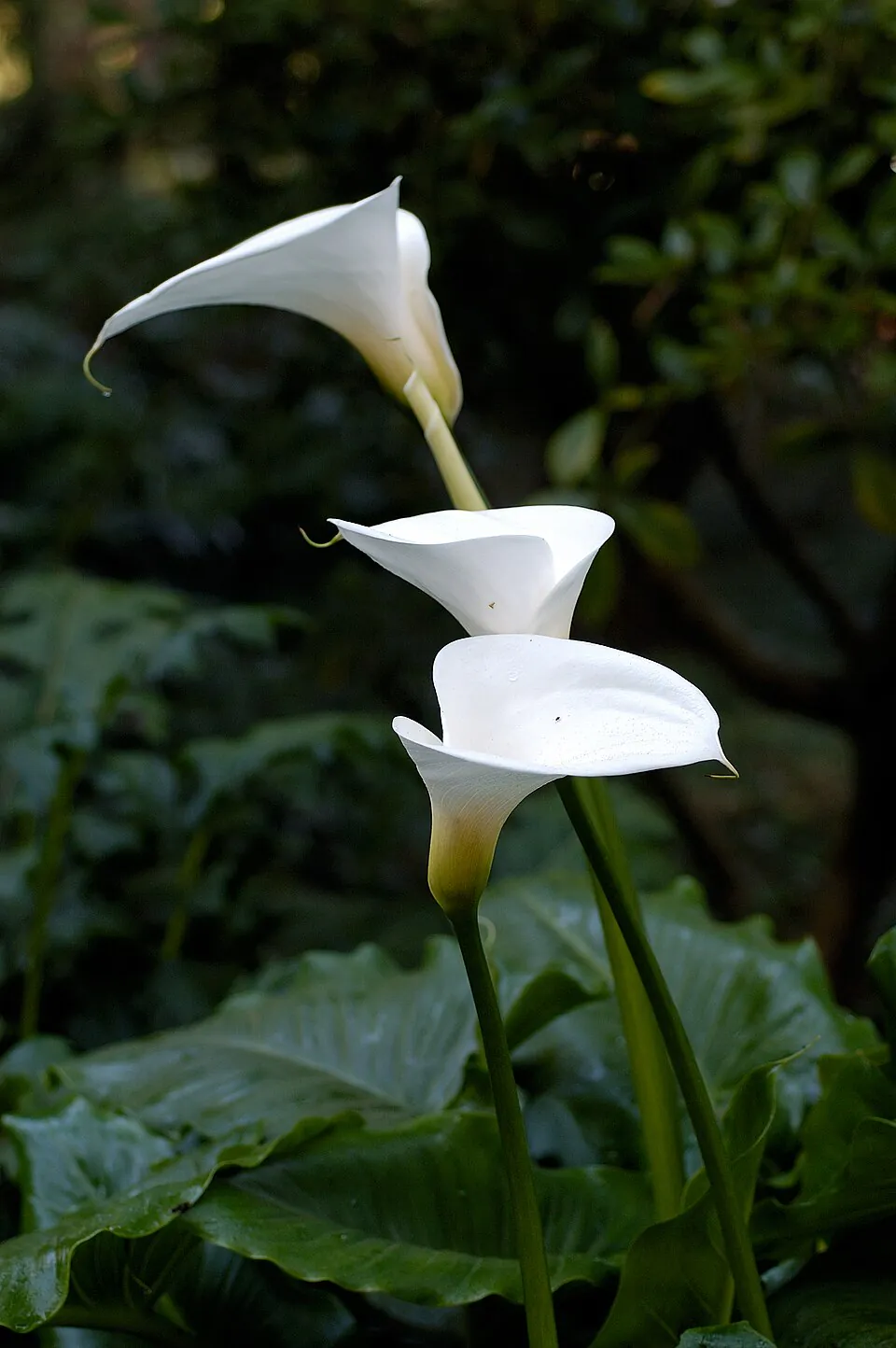
? ? ?
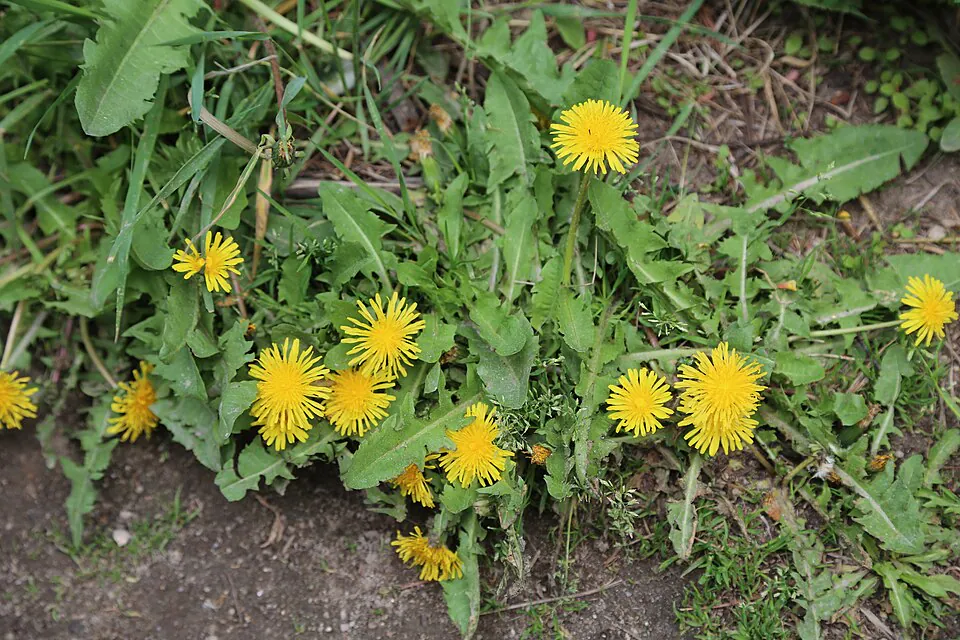
? ? ?
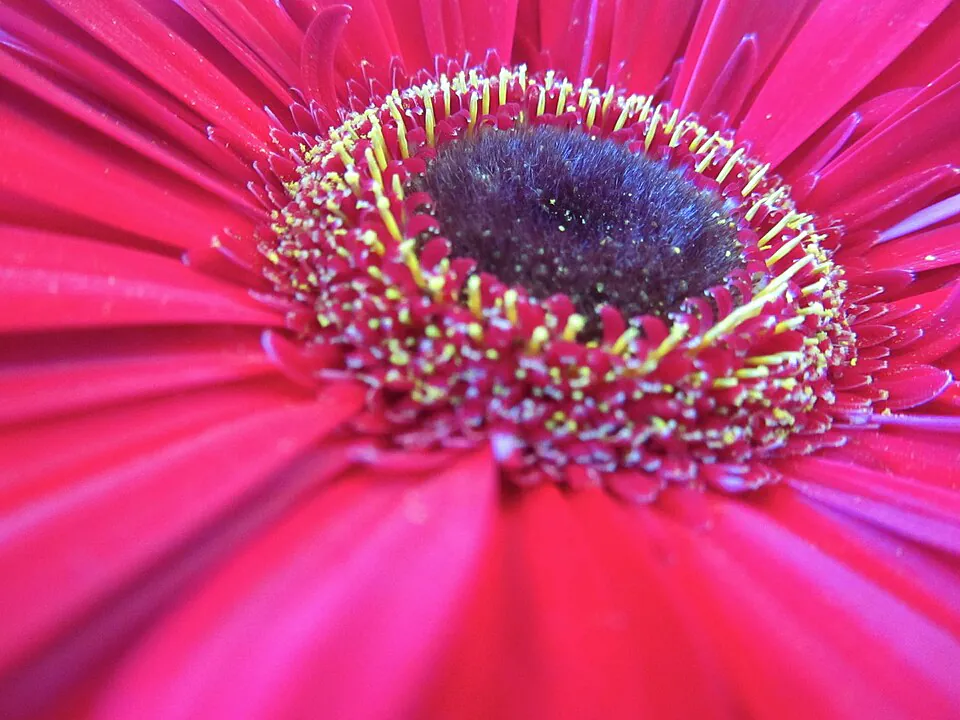
? ? ?
Photo credits
- Flower photos come from Wikimedia Commons. The photographers are:
- AnemoneProjectors (Buttercup, Foxglove) · CC BY-SA 2.0
- Derek Ramsey (Ram-Man) (Iris, Peony, Lotus, Pansy) · GFDL 1.2
- Derek Ramsey (Ram-Man) (Lilac) · CC BY-SA 4.0
- Derek Ramsey (Ram-Man), co-attributed to the Chanticleer Garden (Lily) · CC BY-SA 3.0
- Unknown Commons uploaders (Geranium, Orchid) · CC BY-SA 3.0
- Adarsh Patel (Sunflower) · CC BY-SA 4.0
- Adityamadhav83 (Marigold) · CC BY-SA 3.0
- Agadez (Daffodil) · CC BY-SA 3.0
- belvedere04 (Hydrangea) · CC BY 4.0
- Böhringer Friedrich (Edelweiss) · CC BY-SA 2.5
- Chrumps (Rhododendron) · CC BY 3.0
- Clint Budd (Bougainvillea) · CC BY 2.0
- Dcrjsr (Dandelion) · CC BY 4.0
- Dixi (Crocus) · CC BY-SA 3.0
- DoroshenkoE (Magnolia) · CC BY-SA 3.0
- Eric Hunt (Calla Lily) · CC BY-SA 2.5
- Fritz Geller-Grimm (Violet) · CC BY-SA 2.5
- Humoyun Mehridinov (Lavender) · CC BY-SA 4.0
- John Robert McPherson (Jasmine) · CC BY-SA 4.0
- John Tann (Forget-me-not) · CC BY 2.0
- Jonathan Kington (Snowdrop) · CC BY-SA 2.0
- Jorgebarrios (Tulip) · CC BY-SA 3.0
- Jules Verne Times Two (Hibiscus) · CC BY-SA 4.0
- Kieran Roy Powell (Poppy) · CC BY 4.0
- Marie-Lan Nguyen (Cherry Blossom) · CC BY 2.5
- MichaelMaggs (Bluebell) · CC BY-SA 3.0
- Muhammad Mahdi Karim (Dahlia) · GFDL 1.2
- Orikrin1998 (Cornflower) · CC BY 3.0
- PumpkinSky (Camellia) · CC BY-SA 3.0
- Rameshng (Rose) · CC BY 3.0
- Sabina Bajracharya (Snapdragon) · CC BY-SA 4.0
- Shagil Muzhappilangad (Chrysanthemum) · CC BY-SA 4.0
- Sridhar Rao (Amaryllis) · CC BY-SA 4.0
- Stefan Czapski (Primrose) · CC BY-SA 2.0
- Stefan Lefnaer (Daisy) · CC BY-SA 4.0
- Tarunsamanta (Petunia) · CC BY-SA 4.0
- Timothy A. Gonsalves (Gladiolus) · CC BY-SA 4.0
- Zachi Evenor (Anemone) · CC BY 2.0
- そらみみ (Soramimi) (Wisteria) · CC BY-SA 4.0
- 草花写真館 (Carnation) · CC BY-SA 3.0
- 阿橋 HQ (Hyacinth) · CC BY-SA 2.0
- These photos are in the public domain: Bird of Paradise, Water Lily, Morning Glory, Gerbera.
Rules & what counts
Flower Quiz: Rules & What Counts
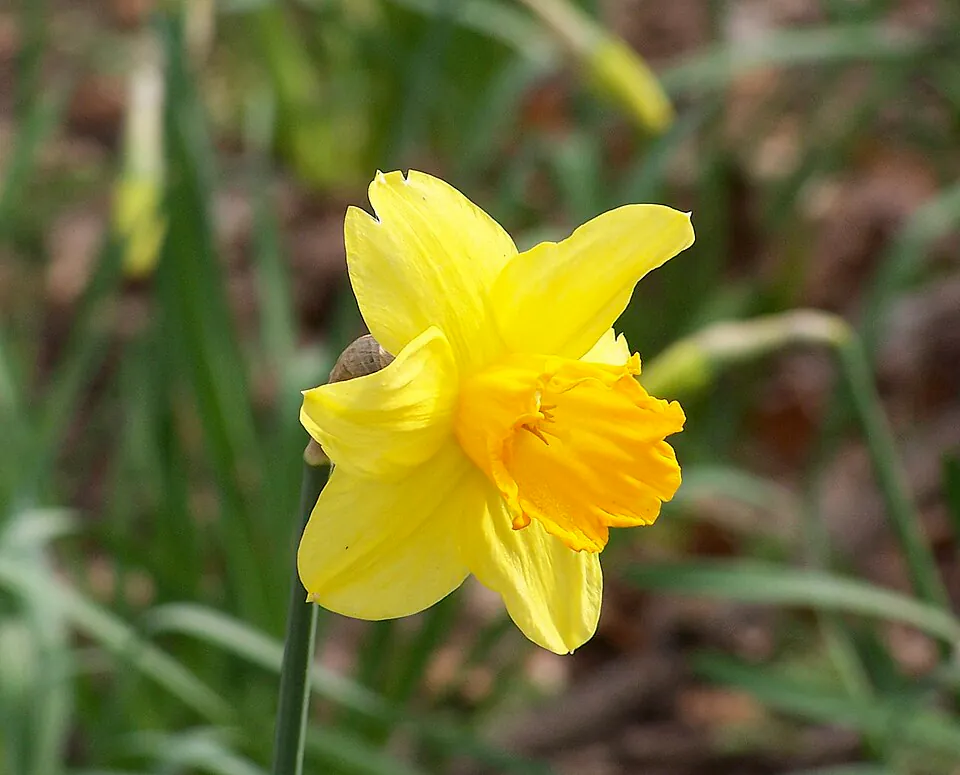
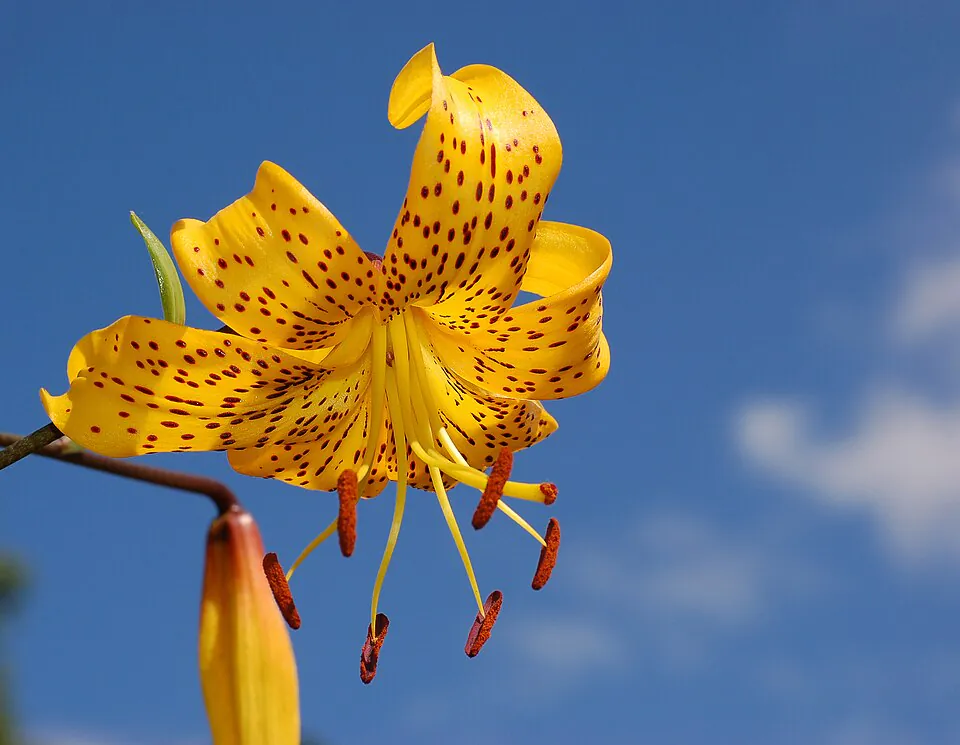
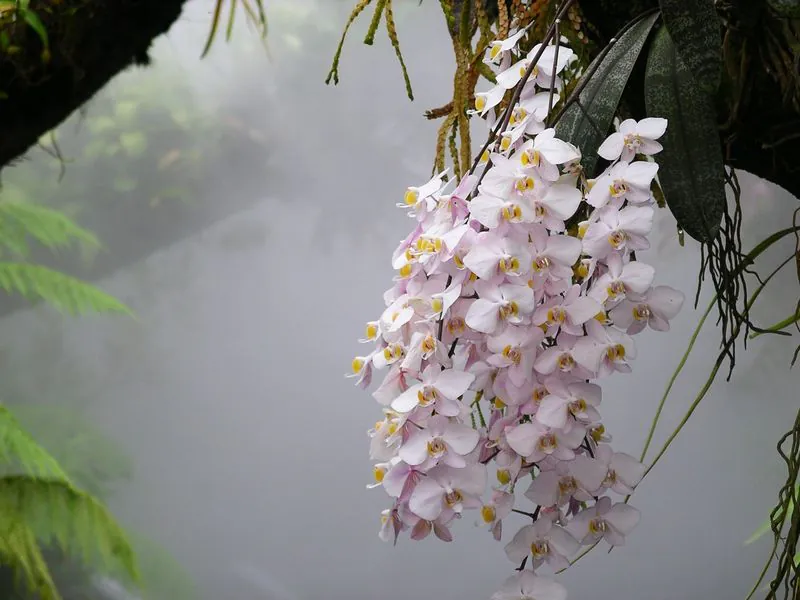
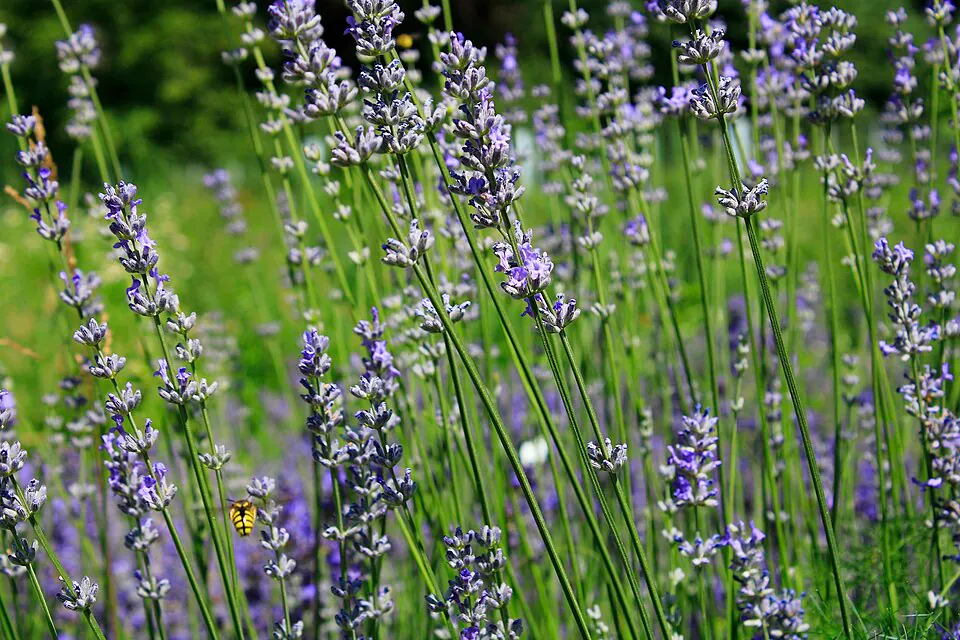
Name 50 garden and wild flowers from a photo of the bloom. Each card shows one open flower: a rose, a tulip, a sunflower, a daffodil and on through the garden.
The first cards are the flowers everybody knows. The last cards are the ones a gardener knows: snapdragon, gladiolus, camellia, edelweiss.
Every card is a photo of the real flower. A correct answer shows the botanical name of the plant under the common name.
How to play
- Start typing anywhere; the answer bar catches it automatically.
- The game accepts a flower as soon as you spell it. You do not press Enter.
- Each flower accepts its common names: "mum" for chrysanthemum, "windflower" for anemone, "azalea" for rhododendron.
- Select a card to enlarge the photo.
- Select Give up to see the flowers you missed and to save your score.
What counts in this quiz
- 50 flowers, from the rose to the gerbera. Garden flowers, wild flowers and a few famous tropical ones.
- Common English names count. The botanical genus counts where people use it: "dianthus", "pelargonium", "narcissus".
- The plural counts. "Daisies" and "daisy" both open the card.
- The leaderboard ranks the number of flowers named, then the time.
What's not included, and why
- Only the exact spelling counts, with the common misspellings added by hand. There is no fuzzy matching.
- Lily of the valley is not a card. The word "lily" would open the Lily card before you finished typing it.
- Houseplants that are grown for their bloom (peace lily, poinsettia, moth orchid) are in the Houseplant quiz, not here.
Good to know
- The sunflower turns its head to follow the sun only while it is young. A mature flower faces east all day.
- Tulip bulbs were once worth more than a house in the Netherlands. The bubble burst in 1637.
- The edelweiss grows on bare rock above 1,800 metres. Its white hairs protect it from cold and from ultraviolet light.
- A dandelion seed can travel more than 100 kilometres on the wind.